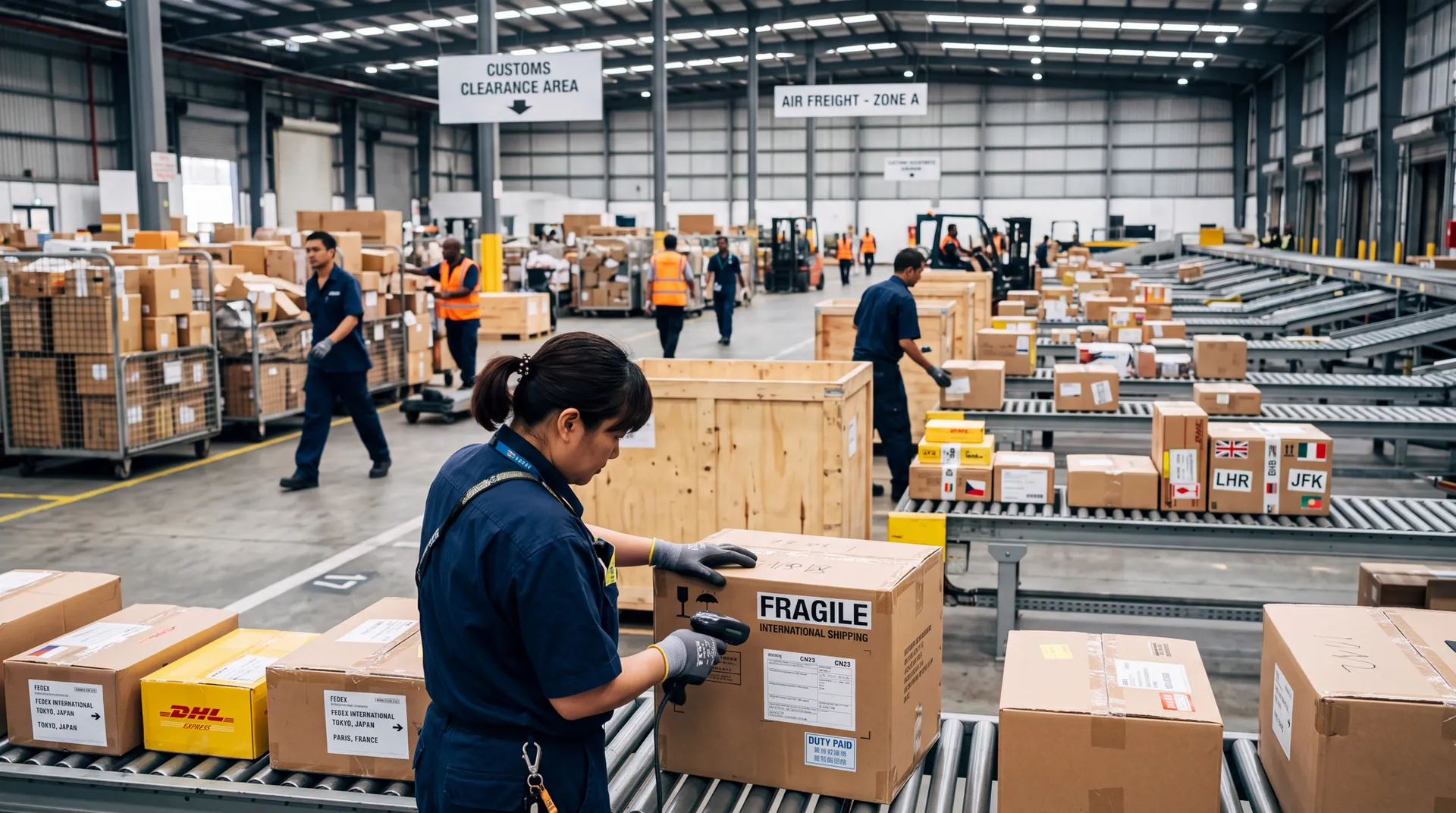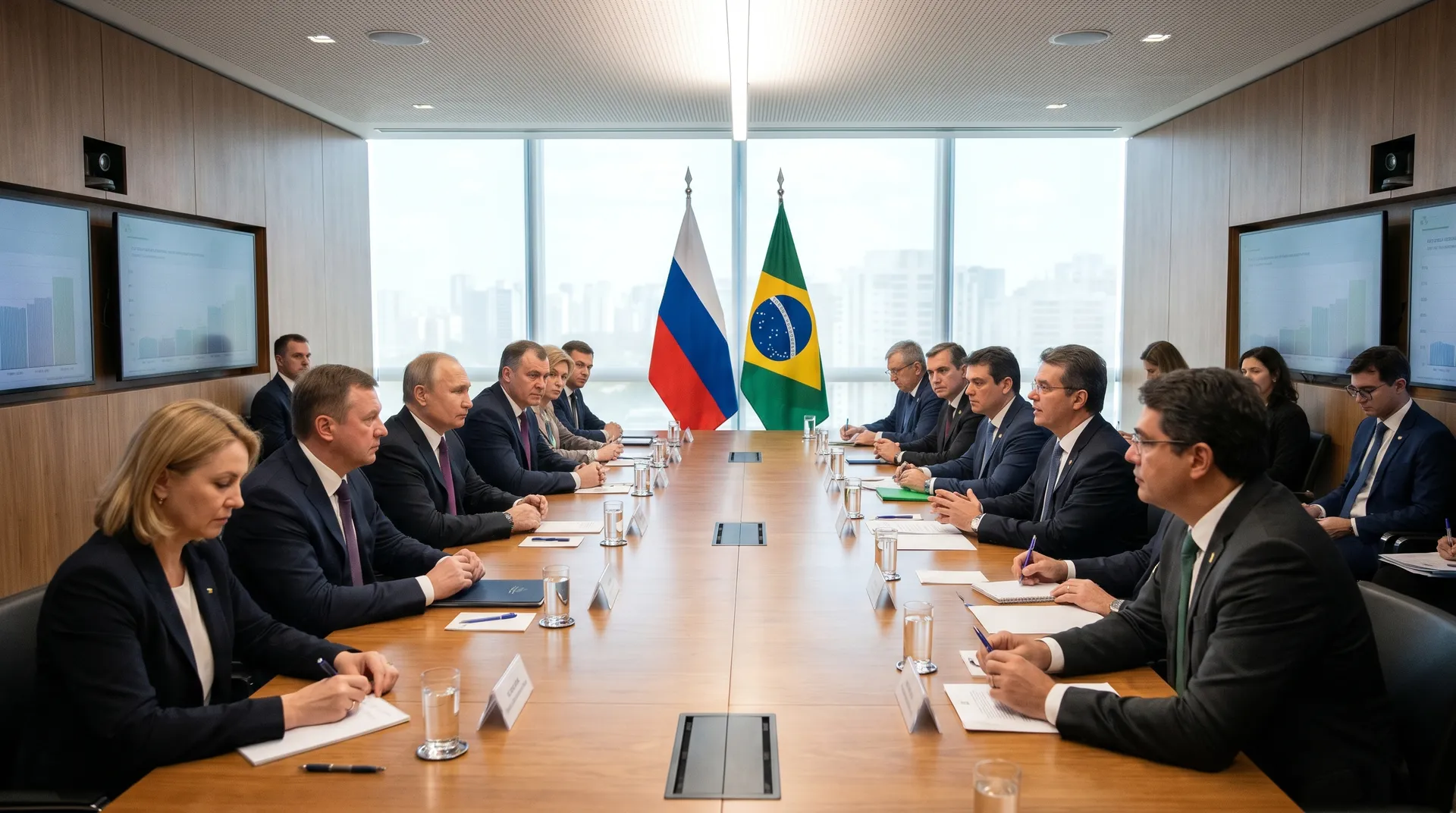
Trade with Brazil is about $7-8 billion a year under normal conditions. Coffee, soybeans, meat, fertilizers, cars. Most of the settlements historically went through the dollar, and transactions took place through Western correspondent banks. After 2022, this became a problem: sanctions pressure closed some of the payment channels. In April 2026, Russia halved its purchases of Brazilian coffee — and this is probably not just a matter of demand.
Where is the problem
Brazil has not joined the anti-Russian sanctions. Legally, Brazilian companies can trade with Russia. But in practice, banks fearing secondary sanctions from the United States are increasingly refusing to conduct transactions with Russian counterparties or adding such delays and documentation requirements that transactions become unprofitable.
This is the standard pattern for Russian foreign trade with Latin America. The tool that could fix it is calculations in national currencies, bypassing the dollar contour.
What is being discussed at the Kazanforum
Kazanforum is a platform with an emphasis on the countries of the Islamic world, but the BRICS agenda there is much broader. This year, a separate section is dealing with the topic of mutual settlements: we are talking about rubles, reals, rupees, and technical tools that will allow money to be transferred without passing through the dollar infrastructure.
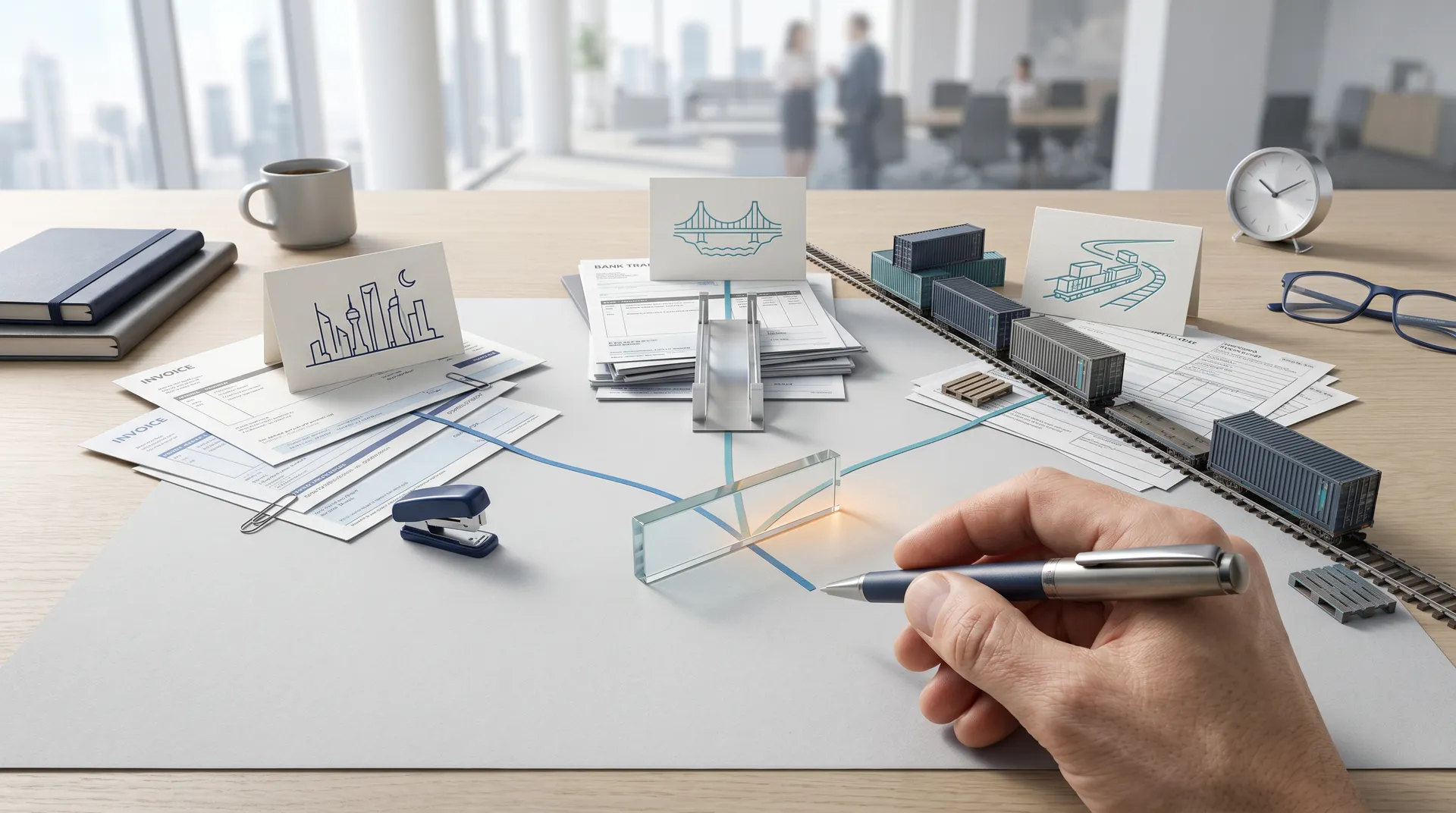
The specifics that have been heard on forums over the past year: the use of mirror accounts of type "C" (as it already works with India), direct correspondent relations between banks of the two countries through SWIFT alternatives (Russian SPFS or Chinese CIPS), clearing mechanisms through third banks in the UAE or Turkey.
Brazil, as chairman of the BRICS in 2025, actively participated in the formation of the BRICS Pay payment system, which should become a common infrastructure for settlements within the bloc. Project status: under development, pilots are being tested, but there is no mass application.
What's already working
The most advanced example is settlements with India. Russia and India have agreed to use mirrored accounts in rupees: Russian exporters receive payment in rupees, which are then used to purchase Indian goods or converted through third-party mechanisms. The scheme works, but it accumulates an imbalance: Russia sells more to India than it buys, and the rupee accounts overflow.
Settlements in yuan with China are growing year after year. According to the Central Bank of the Russian Federation, the share of the yuan in Russia's foreign trade accounts has exceeded 30%. This is a real working mechanism.
There is nothing comparable to Brazil yet. The Brazilian real is a non—freely convertible currency, which creates additional complexity. Accumulating reals from the sale of Russian goods and then converting them into another currency or using them to buy Brazilian goods is technically feasible, but operationally difficult.
Why is this important right now?
The April statistics show that the halving of Brazilian coffee supplies to Russia is a good indicator. If the reason is calculations (and this is one of the most likely), then the problem is not just coffee. This is the entire Brazilian trade: soybeans, meat, sugar (although Brazil is currently under special strain due to the Indian ban), fertilizers.
Brazil is the largest sugar producer in the world. After India shut down exports on May 14, demand pressure for Brazilian sugar increased. For Russian importers of confectionery raw materials, this means an increase in prices for Brazilian products. Solving the issue of payments with Brazilian suppliers is now an even more practical task.
What companies should do right now
There are several work areas that are already being applied.
Payment intermediaries through third countries. Settlements with Brazil through banks in the UAE, Turkey, and Hong Kong are a scheme used by many market participants. It works, but adds a commission (1-3%) and extends the deadline by several days.
Using SPFS. The Russian financial messaging system has connected a number of foreign banks, including those from countries that have not joined the sanctions. There are no direct Brazilian banks in the system, but a transaction is technically possible through intermediary nodes.
Trade through Chinese intermediaries. Part of the Russian-Brazilian trade is already going through Chinese traders: a Chinese company buys Brazilian goods and resells them to Russia. The scheme is more expensive than direct trading, but it works.
Barter and clearing mechanisms. They still exist in their design form, but several companies are already testing the exchange: Russian fertilizers at the expense of Brazilian soybeans. These are not calculations in national currencies, but they bypass the dollar contour.
The horizon of changes
BRICS Pay and bilateral agreements on settlements in national currencies are a horizon of 1-2 years at best. The real changes are happening more slowly than the negotiators want.
But the pressure for change is mounting on both sides. Brazilian exporters are losing the Russian market, not because they want to, but because banks refuse. Russian importers are overpaying for intermediaries. Both sides are interested in making the payment infrastructure work directly.
Kazanforum is one of the few platforms where these issues are discussed in a substantive rather than declarative manner. Following the final documents of the forum and the memorandums signed on its margins is a direct way to understand in which direction the calculations are moving.