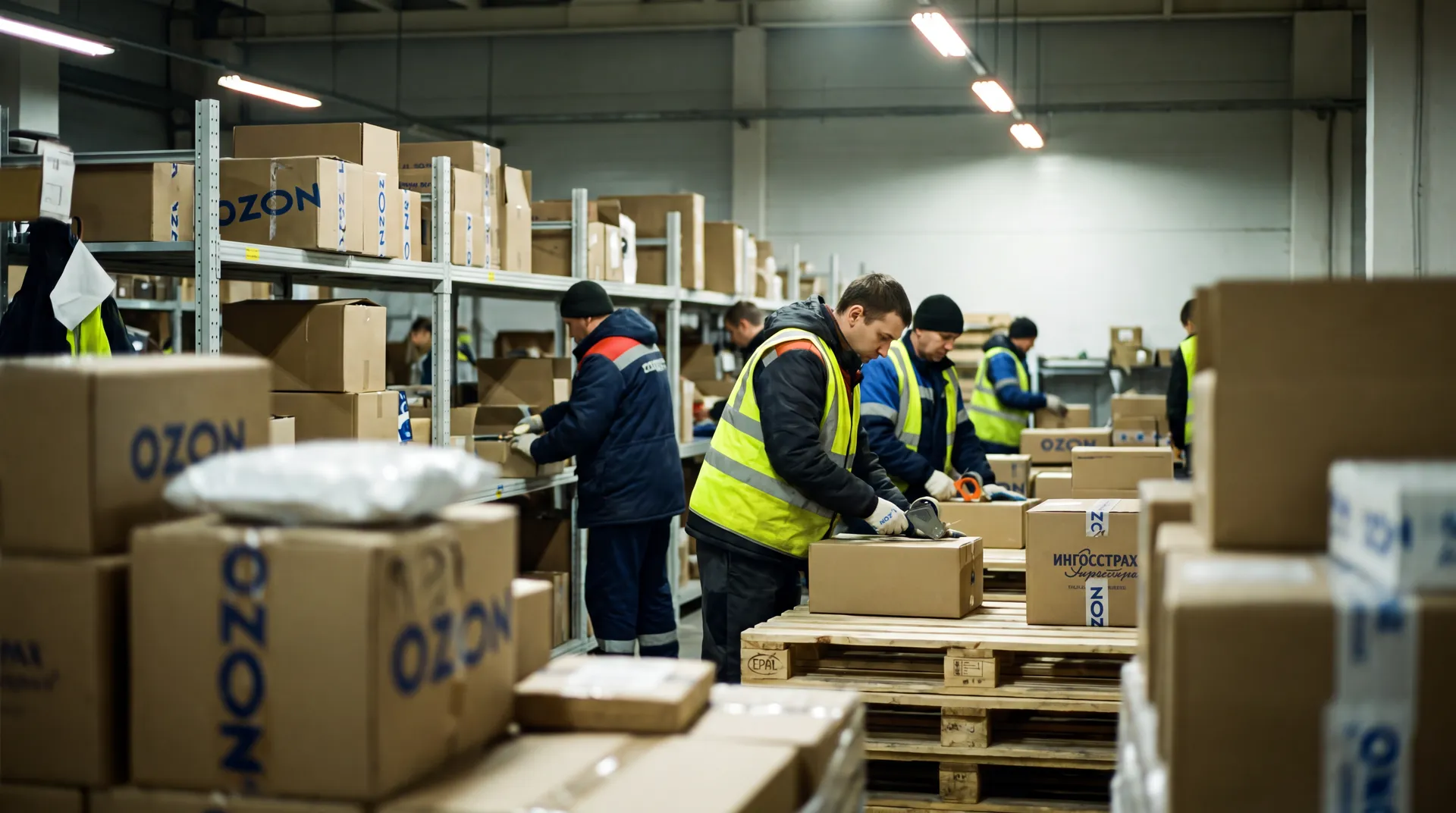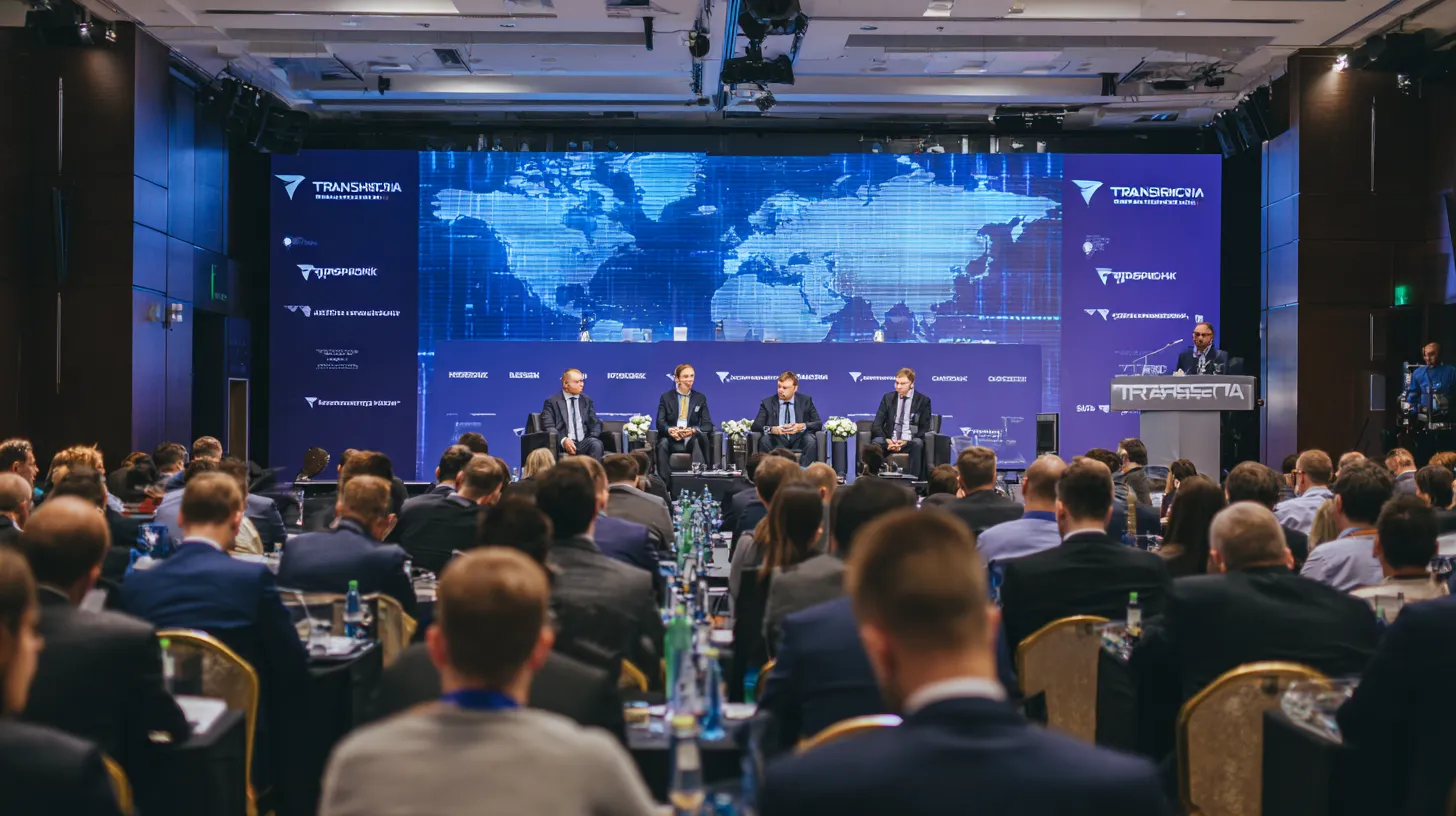
The TransRussia Summit was held in Moscow from October 20 to 22, where logistics for e-commerce became one of the key topics. The focus is on finding a balance between customer service and operational efficiency, especially in the face of economic instability and growing consumer expectations.
At the final panel session, representatives of e-commerce, logistics operators, and digital platforms discussed a strategy for survival and growth in 2026. Sergey Manukyan, founder of the Modern Retail Project Bureau, emphasized that success will be determined by companies that are able to synchronize retail and online sales, including marketplaces.
Moderator Ekaterina Antsiferova from the Dalli delivery service reminded: it is important not only to develop the service, but to understand how and why the customer uses it. The question is, does the audience really want express delivery and is it willing to pay for convenience?
The changed expectations of customers affect not only everyday products, but also the furniture segment. Alexey Nikonov (BRENDOOS) noted that now customers want to see the sofa at home on the day of the order. This requires companies to accelerate logistics, update production processes, and reduce product turnover.
This approach is also confirmed by the Druzhka network: according to Anastasia Sorokoumova, using retail stores as collection points for online orders helps to significantly reduce costs.
HTS RUSSIA spoke about outsourcing as a strategic tool. Vadim Kuzmin believes that only with full synchronization of partners can real efficiency be achieved: the client is one, and the logistics coordinator and the seller must work as a single team.
Cost reduction is also possible through the introduction of AI, routing automation, and lean manufacturing. Oleg Proposhin (MPZ Bogorodsky, the Okraina brand) presented a case in which the routing system takes into account the temperature regime, delivery time and production data in real time.
The conclusion of the summit was clear: the future of e-com logistics belongs to customer—oriented technologies and collaboration with partners. As Maria Trifonova (Lamoda) emphasized, customer-centricity and partner-centricity are becoming the new norm in logistics.