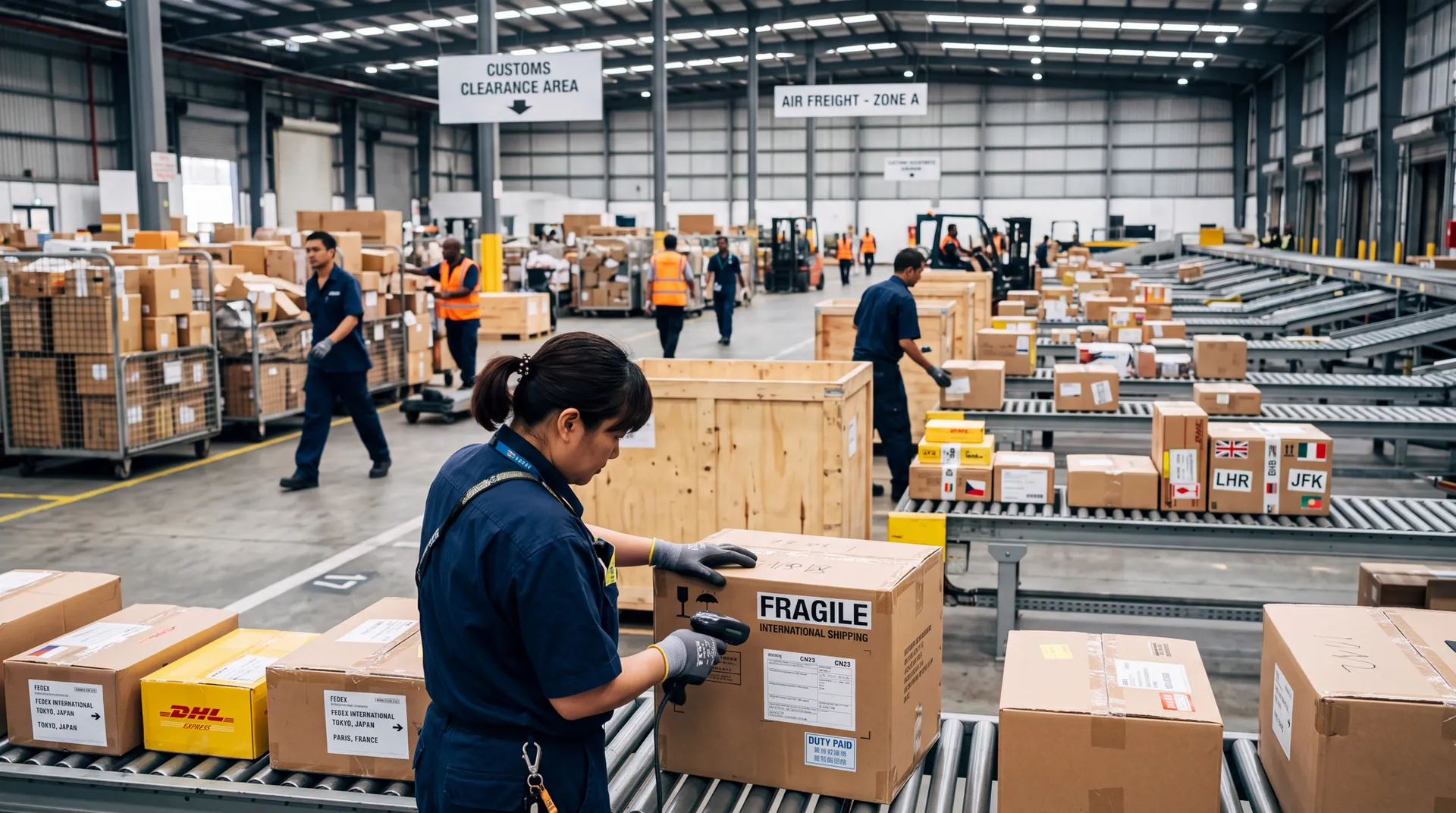
The Rosselkhoznadzor does not ban the Armenian import of flowers forever — it introduces a temporary restriction until the end of the inspection of greenhouses and the analysis of its results. But the "temporary" in such cases can last for months.
Numbers that explain the solution
When importing 96.2 million pieces of floral products from Armenia, experts identified 135 objects subject to quarantine in the EAEU. This is 77% of the total number of all detections for the whole of 2025 — for one shipment from one country.
Quarantine objects in flower imports are usually plant pests and diseases: thrips, mites, fungal infections. Once in Russia, they can spread to greenhouses and decorative floriculture. The EAEU maintains a single list of quarantine facilities — if an object is on the list, the import of products where it is found is blocked.
Who is affected by the restriction
Armenia is one of the major suppliers of cut flowers to Russia, especially in the spring and summer season. The main product is roses and carnations from Armenian greenhouses. Some of these products are of real Armenian origin, and some are re—exported from third countries through Armenian territory.
It is the re-export channel that raises special questions: flowers physically go through Armenia, but originate from countries for which the Russian market is closed or limited. Rosselkhoznadzor regularly records such schemes.
Wildberries recently introduced a requirement for sellers from Armenia to confirm the origin of goods with a certificate — not a coincidence. Both agencies and platforms are responding to the same systemic issue.
What's going on with the market
The flower market in Russia is seasonal — it's the beginning of summer, the peak period after the May holidays has already passed. The next major peak is August-September (Knowledge Day, September 1) and February-March. If the restrictions are not lifted by autumn, part of the volume will have to be replaced by other suppliers — Kenya, the Netherlands (through authorized channels), Ecuador, and Belarus.
What should suppliers and importers do?
For those working with Armenian suppliers of floral products: check the status of restrictions directly on the Rosselkhoznadzor website — solutions can be updated. To clarify with the supplier the origin of the products and the availability of phytosanitary certificates. Start working on alternative sources of supplies for the autumn season.