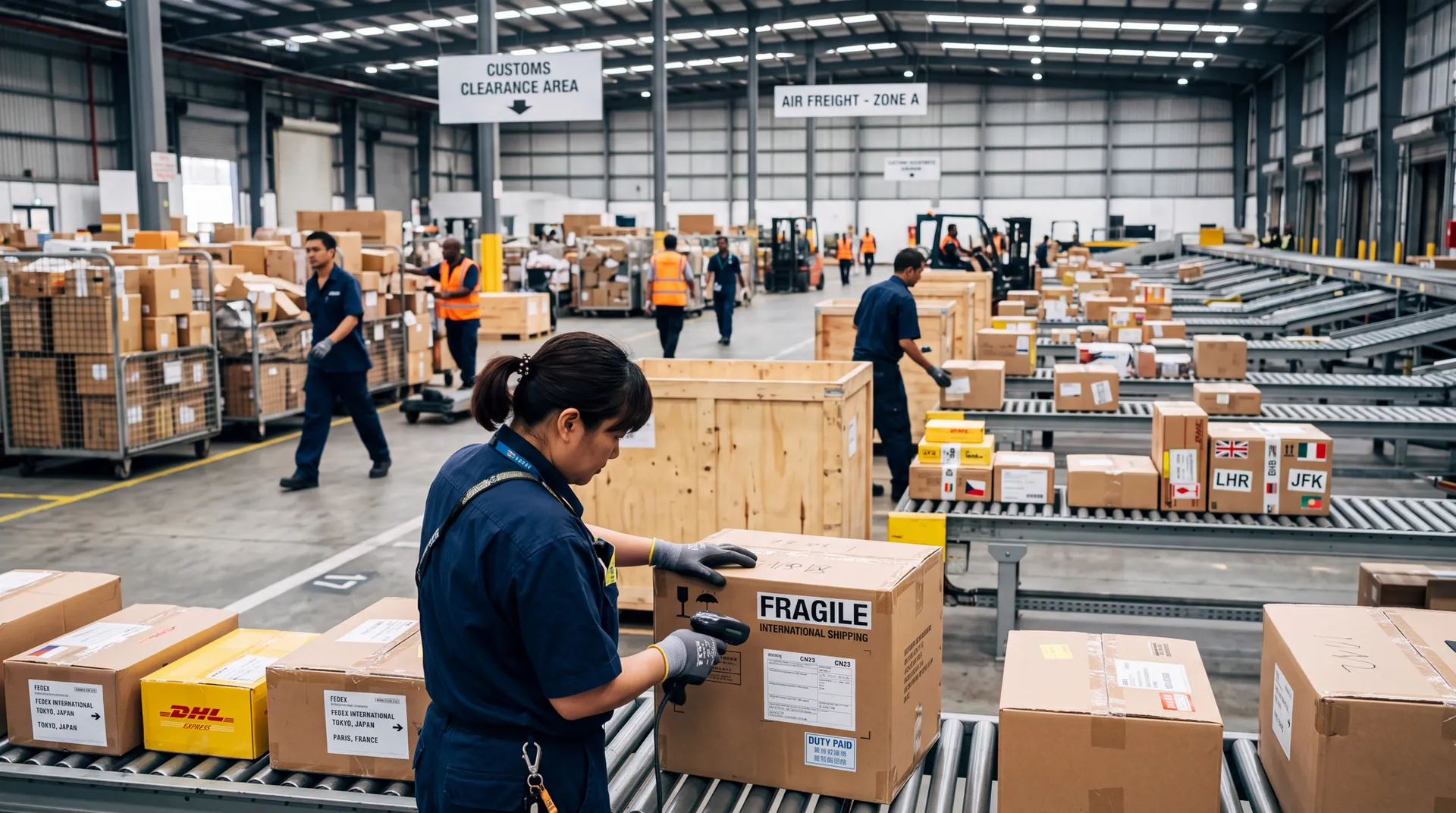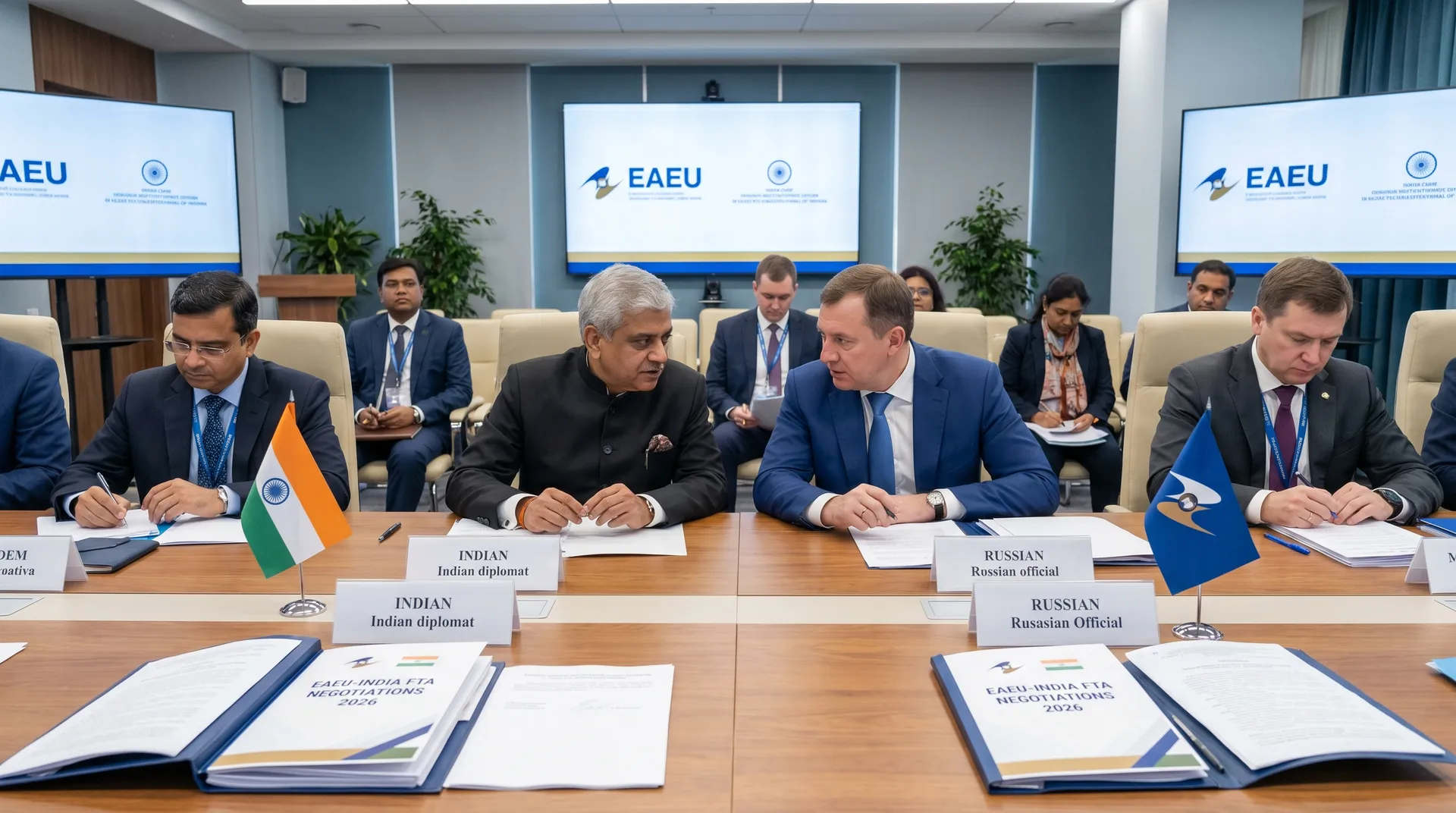
Negotiations on a free trade area between the EAEU and India have been going on for several years. But it was in 2026 that they got a new impetus — American duties on Indian goods, which Washington raised to 50%, including due to India's continued purchases of Russian oil. New Delhi responded by actively searching for alternative trading partners: the EU, the UK, and the EAEU.
What has already happened
In January 2026, India signed a free trade area with the EU after 19 years of negotiations, a deal that Modi called the "mother of all deals." A few months earlier, there was a free trade agreement with the United Kingdom, which reduced duties on whiskey, cars and other goods. The EAEU is next in line.
The Director General of the EEC stated bluntly: there are no obstacles to signing. This is not a diplomatic formulation of "we are working on it" — it is a concrete signal of the proximity of an agreement.
What does the FTA mean for Russian companies?
A free trade agreement means reducing or eliminating duties on goods shipped from the EAEU to India, and vice versa. For Russian exporters, this is a direct reduction in the cost of entry into the Indian market in the categories covered.
Russia is a member of the EAEU along with Belarus, Kazakhstan, Armenia and Kyrgyzstan. The FTA applies to all members of the union. This means that goods with Russian origin will receive preferential treatment.
The specific categories discussed in the context of Russian-Indian trade are chemical products, metals, fertilizers, machinery and equipment. This is what Russia is already exporting to India. The FTA will make these supplies cheaper for Indian buyers.
Parallel risk
The same FTA that India is signing with the EU and the UK means increased European competition in the Indian market. Russian exporters, who claim niches where European manufacturers also work — cars, chemicals, and equipment — receive an increased competitor. The FTA with the EAEU compensates for some of this pressure, but not all.
What to do right now
Companies planning to enter the Indian market or working there should monitor the progress of the EAEU–India negotiations. If the agreement is signed before the end of 2026, the first wave of beneficiaries will be those who are already working with India and are ready to increase volumes with lower duties.