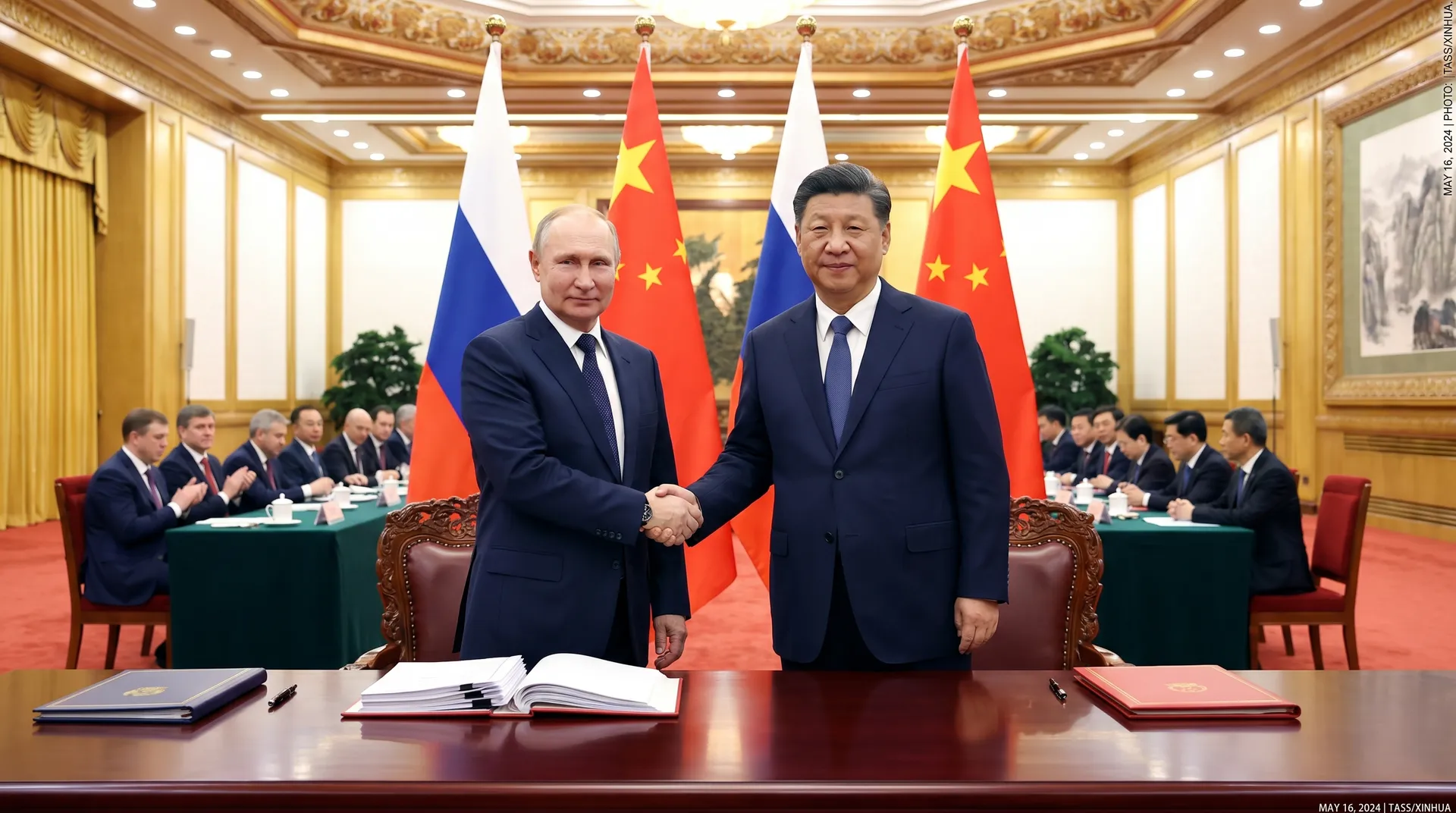
Putin flew to China just four days after Trump's departure. The timing is coincidental — the visit was agreed back in February — but symbolically significant. Beijing meets two leaders of the largest economies in a row, and each of them wants to show that Sino-Russian or Sino-American relations are more important.
Figures on the eve of the visit
The trade turnover between Russia and China in 2025 is $240 billion. In the first quarter of 2026 - $61.25 billion, an increase of 14.8% year—on-year. Russia's exports to China: $33.52 billion (+9.5%). Imports from China: $27.66 billion (+22.1%). Almost 100% of payments are made in rubles and yuan.
These are not just statistics for a press release. Behind these figures are working payment channels, logistics routes, and production chains that both countries have been building over the past three years.
What is being discussed at the negotiations
The central theme is energy. Back on May 9, Putin said that all the main issues on the Power of Siberia-2 had been practically agreed upon. A gas pipeline with a capacity of 50 billion cubic meters per year should pass through Mongolia and connect the West Siberian fields with the Chinese market. If a specific document appears at the end of the visit, it will change the energy map of Asia for decades.
In addition to gas, nuclear energy: Rosatom is negotiating new units at existing and planned nuclear power plants. Transportation: expansion of railway corridors, development of MTK Primorye-1 and Primorye-2 for cargo transit through Russian ports in the south of Primorye.
Delegation as a signal
The composition of the delegation indicates the seriousness of the intentions: five deputy prime ministers — Manturov, Golikova, Novak, Trutnev, Chernyshenko. The eight ministers are Lavrov, Siluanov, Reshetnikov and others. The head of the Central Bank Nabiullina. The heads of Rosneft, Gazprom, and Rosatom. Rectors of leading universities. Heads of regions.
When the heads of state corporations are included in the delegation, it means one thing: commercial negotiations are taking place in parallel with political negotiations. Contracts are signed not only at the government level.
What does this mean for foreign economic activity
40 documents are not declarations of intent. These include intergovernmental agreements on trade, interdepartmental protocols on customs procedures, and corporate contracts. As a result of such visits, specific supply channels are usually opened or expanded, customs procedures in priority areas are adjusted, and new financial instruments appear.
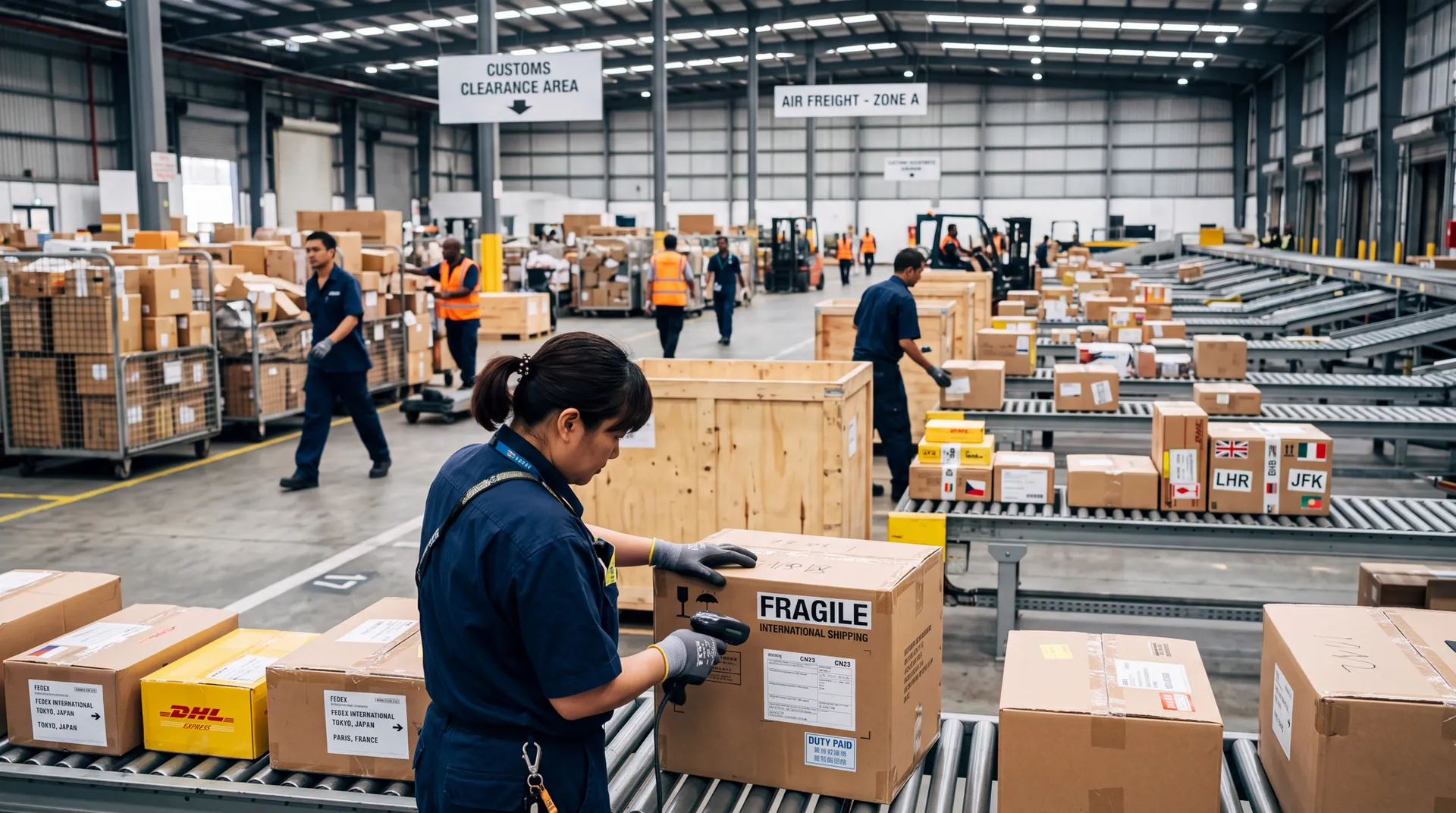
For importers of Chinese goods, it is important to keep track of which documents will be published on May 20. Especially in terms of logistics and calculations.