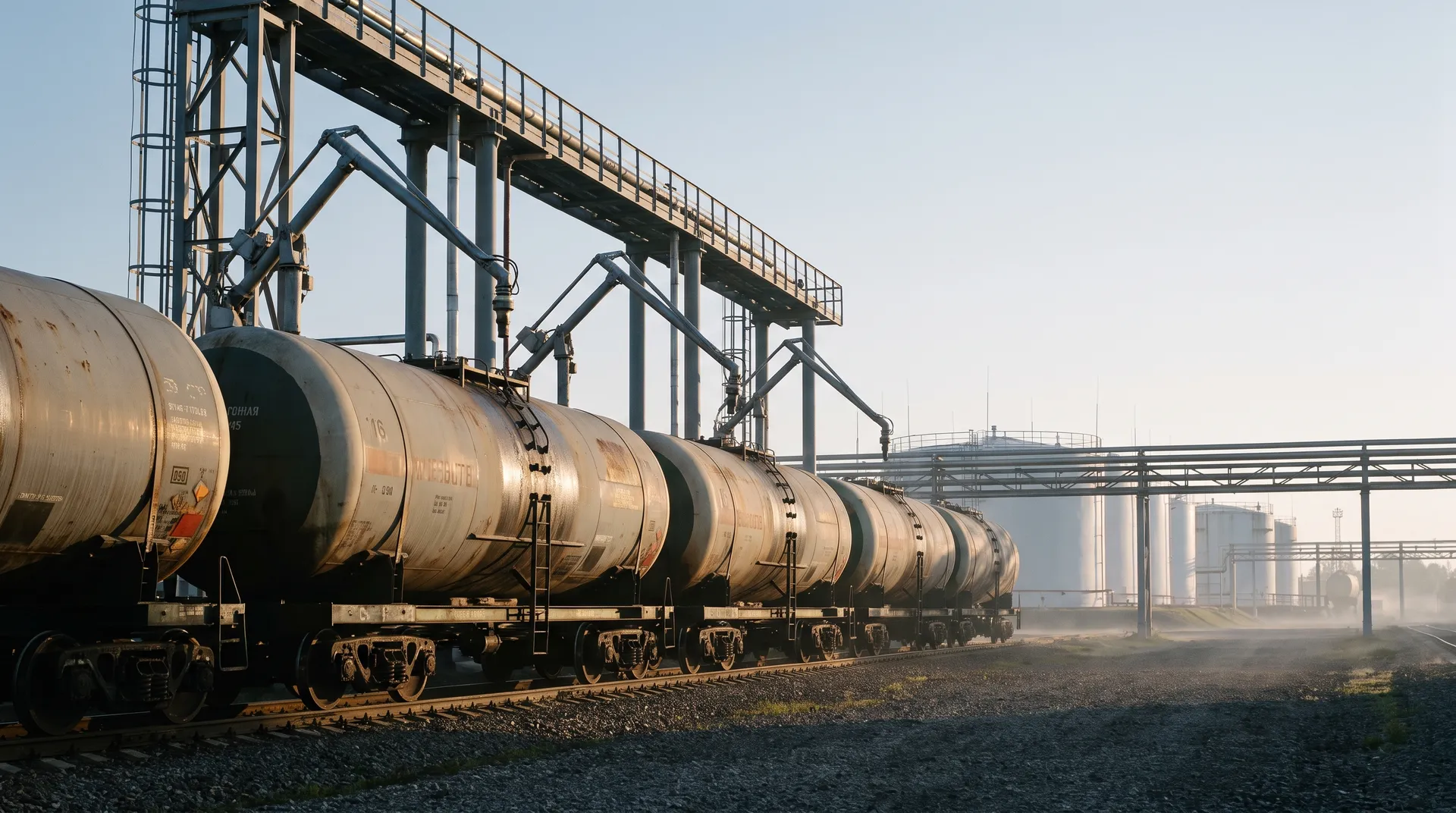
The export of gasoline, diesel and marine fuel from Russia has been closed since August 1. The resolution has been signed, and the restrictions are valid until January 31, 2027.
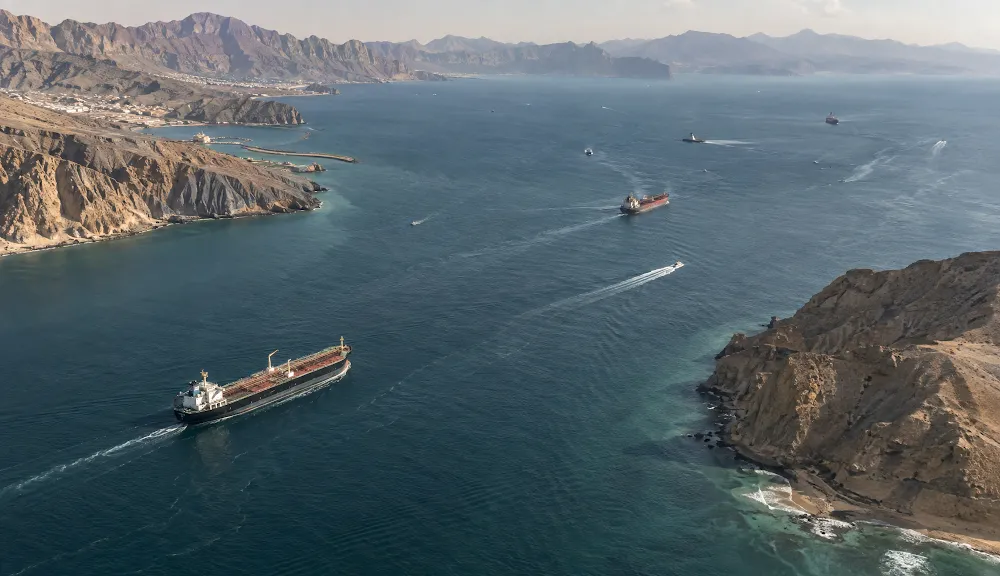
The design is wider than the previous ones. Summer restrictions were built around gasoline and diesel, marine fuel was not included in the perimeter. Now it is there, and this changes the calculation for bunkering companies and shipowners operating through Russian ports: it is impossible to sell bunker fuel for export, sales go to the domestic market.
A separate fork falls on September 1st. From this date, diesel and marine fuel producers will be removed from the ban - the mechanism repeats the pattern of previous seasons, when the restriction worked entirely for reseller traders and partially for factories. The logic is simple: factories should retain the ability to sell surpluses, while resellers should not export the scarce volume from the domestic market.
The six—month horizon is the most noticeable difference from the previous practice. In recent years, restrictions have been imposed for a month or two with extensions, while participants in foreign economic activity planned for short periods. The date of January 31, 2027 closes the planning until the end of winter and removes the question of "whether it will be extended or not" until next spring.
A separate decree suspended the special rules for determining prices for government purchases of motor fuel until the end of 2026. Such purchases will be carried out according to the general rules of the federal law, so that exchange fluctuations do not disrupt the procedures and subsequent deliveries.
What a business should do. Exporters of petroleum products should raise contracts with shipments after August 1 and assess the grounds for suspension or termination; the delivery dates, which fall in autumn and winter, now rest on January 31. Bunkering companies need to reassemble the sales scheme for the domestic market. Carriers and forwarders should include the effect in the fuel component of the rates for half a year, not for a month.
Similar materials on the website
- The State Duma adopted a damper for diesel fuel and a CFA tax, the fiscal part of the same fuel structure.
- Logistics has increased in price by 20% due to the fuel crisis - the effect of fuel restrictions on transportation rates