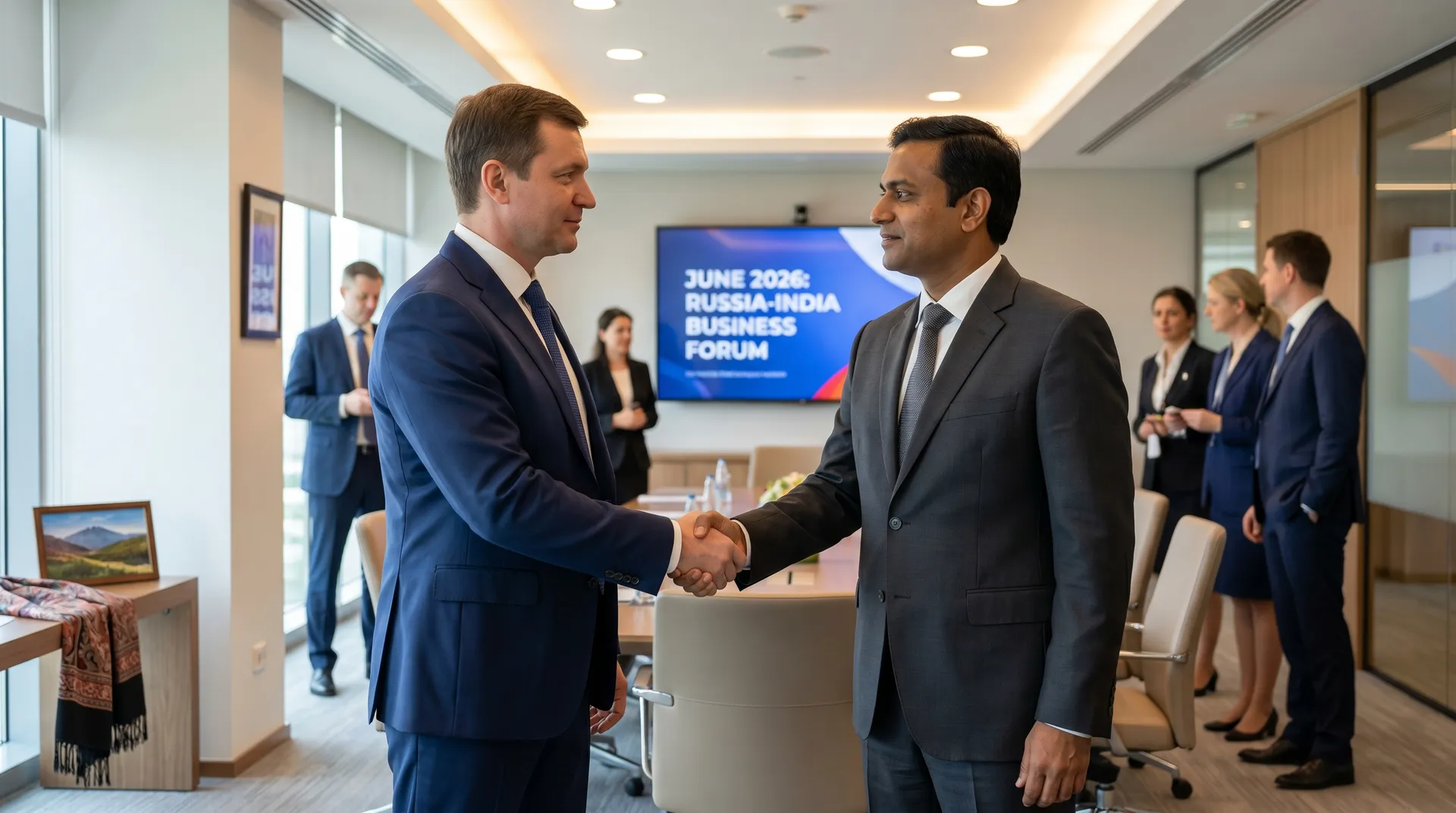
Russian-Indian trade is breaking records: $60+ billion in 2025, growth continues. But the physical barrier between the business people of the two countries remains: both Russians need a visa to enter India and Indians need a visa to enter Russia. This is not a one—time problem - it is an ongoing transaction cost for a business.
Currently, Russians receive an Indian visa in 2-5 days through the e-Visa system. Technically, it's not difficult, but: for each trip you need a new visa (standard tourist e-Visa — 90 days, business visa - 1 year with restrictions). With an intensive work schedule with several trips per year, this is a regular administrative burden.
What does a visa-free regime mean?
A direct consequence for the business: the delivery was disrupted — you can fly to the supplier tomorrow without preparing the documents. There is an opportunity for an exhibition in Mumbai or Delhi — you can go without a week's break for registration.
For Russian companies just starting to work with the Indian market: the first negotiations with suppliers, production audits, negotiations on joint projects — all this requires a personal presence. The visa-free regime lowers the entry threshold.
Why are the negotiations going on right now
Two factors. First, the growth of trade requires related infrastructure, including easier movement of people. Second: the political moment. Amid the deaths of three Indian sailors off Hormuz and US tariff pressure, New Delhi is actively looking for ways to strengthen alternative partnerships. The visa—free regime with Russia is a symbolic and practical step in this direction.
Parallel track: IL-114-300 in India
At the same talks, Deputy Prime Minister Manturov discussed with the Indian side the production of the IL-114-300 aircraft in India. This potentially means joint production chains, technology transfer, and new talent flows between countries. For foreign economic activity companies working in industrial cooperation, this is a signal of the expansion of the Russian-Indian production agenda.
What should a business do now
Visa—free regime is a negotiated, unsigned document. It is not known when it will work. But now: study e-Visa India and a business visa for a year in order to reduce the administrative burden during frequent trips. If you have an annual business visa, the difference with a visa-free regime is practically eliminated.