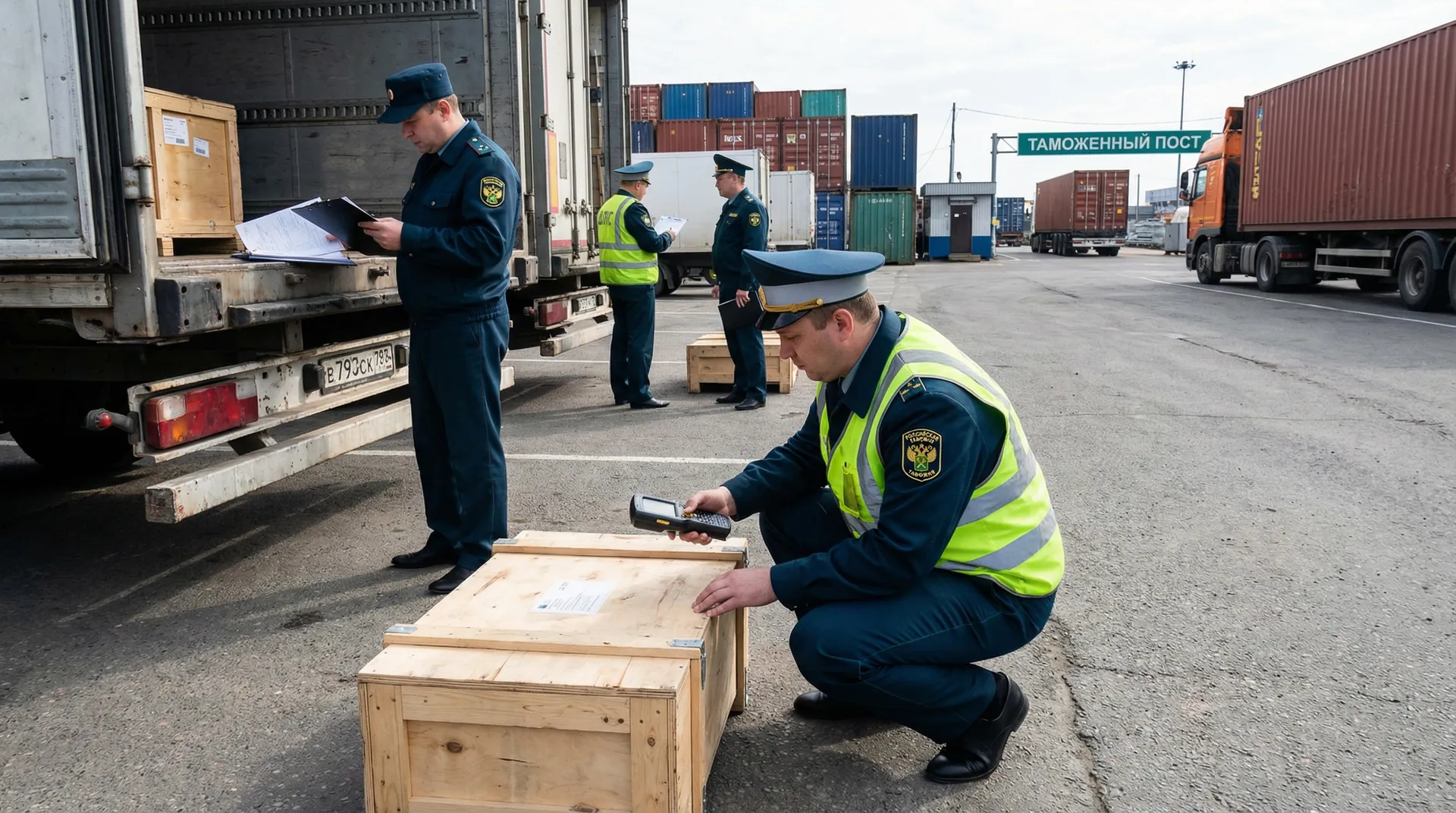
Judicial practice in the field of customs regulation continues to form clearer rules for business. Another court decision concerns one of the most sensitive issues of foreign economic activity — adjusting the customs value and subsequent additional charges.
The essence of the position is that the customs authorities cannot arbitrarily increase the value of goods without sufficient evidence. If the declarant has submitted all the necessary documents and confirmed the transaction price, this is already sufficient to recognize the value, unless proven otherwise.
The courts emphasize an important principle: the difference in price from the average market indicators alone is not a reason for adjustment. Customs must prove the information is unreliable, and not just refer to statistics or guidelines.
Practice shows that in some cases the adjustment is carried out formally — based on doubts without concrete evidence. It is precisely such situations that become the subject of legal disputes. In the new decisions, the courts take a tougher stance against such actions.
For businesses, this means increased legal protection. If there is a correct package of documents, contracts, invoices and payment confirmations, the company has a real tool to challenge additional charges.
At the same time, the importance of documentation quality increases. The more transparent the transaction structure is and the better the price is confirmed, the higher the chances of defending your position.
As a result, an important balance is formed: the customs authorities retain the right of control, but are obliged to justify their decisions. For participants in foreign economic activity, this is a signal that judicial protection is becoming an effective tool in disputes over customs value.