The Council of the Eurasian Economic Commission has added to the list of categories of goods that may be temporarily located and used in the customs territory of the Union under the temporary import procedure without payment of import customs duties and taxes. Decision No. 74 of 04/27/2026 corrects paragraph 31 of section I of the list approved by the Decision of the EEC Council of 04/22/2024 No. 54, and enters into force on August 17, 2026.
The same list defines the conditions and deadlines for such a stay, as well as the categories for which the duration of the procedure differs from the standard two years — up or down.
The economics of the issue is considered simple for a participant in foreign economic activity. As a general rule, temporary importation with partial conditional exemption costs 3% of the amount of duties and taxes for each calendar month the goods are in the territory of the Union. The annual stay of the equipment costs 36% of the estimated amount of payments — money that is not refunded. The inclusion of the product in the list of full exemption removes this burden entirely.
The second effect is provision. In case of partial exemption, the customs authority requires payment security, and the company either freezes the funds in the account or buys a bank guarantee with its own value and financial performance requirements. Full release changes the structure of the transaction: the capital remains in circulation.
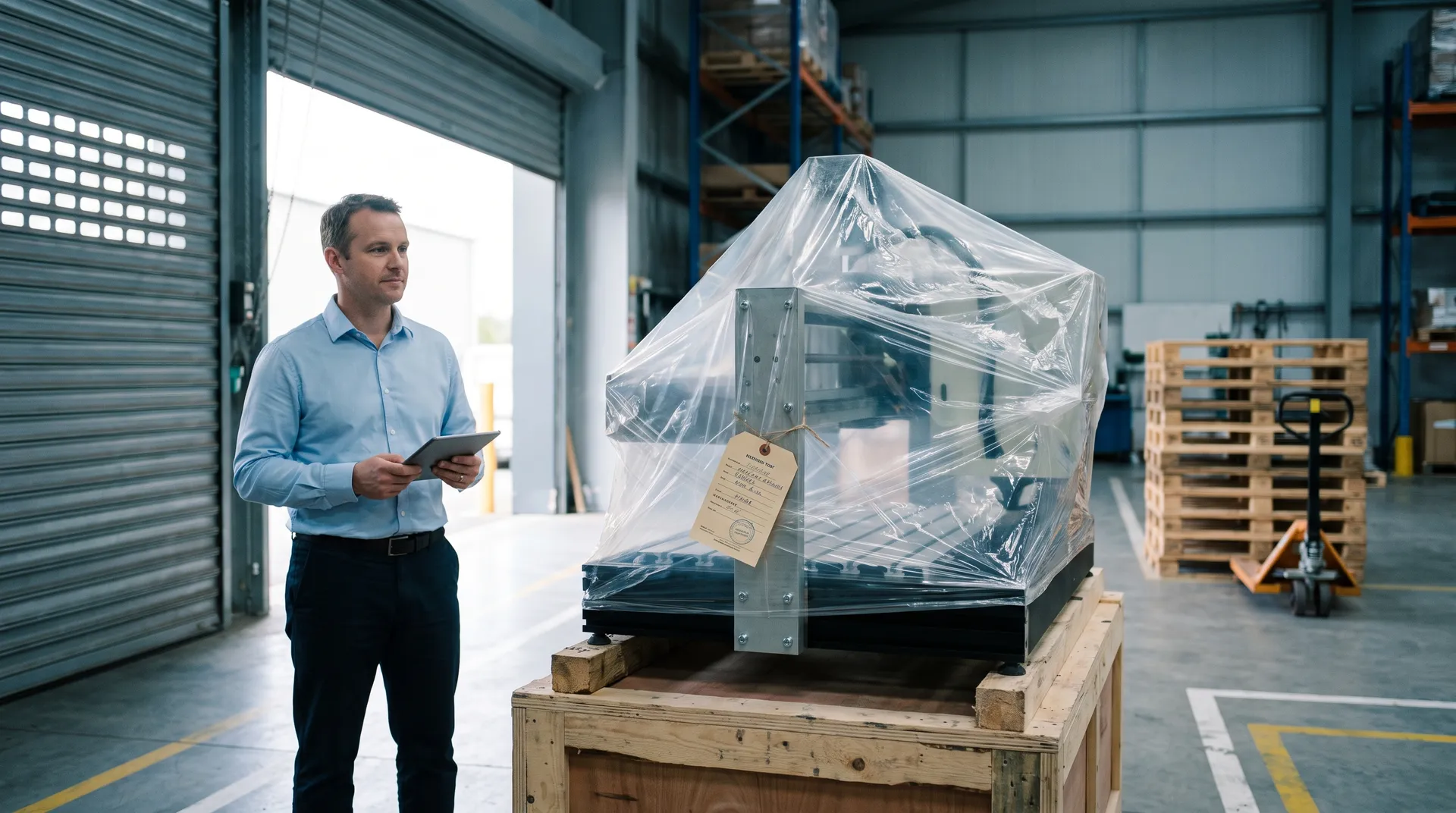
A practical step for the importer is to compare specific items. The wording of the list is linked to the purpose and conditions of use of the product, and not only to the HS code, so the decision is made using the "code plus operational scenario" pair. Equipment for installation and commissioning, exhibition samples, test benches and equipment for contract production are typical candidates for the revision of the import scheme.
For companies whose equipment is already under partial exemption, it makes sense to check whether it is included in the updated list: the transition to full exemption for the current supply is not always possible, but savings for the following shipments begin to work immediately from August 17.