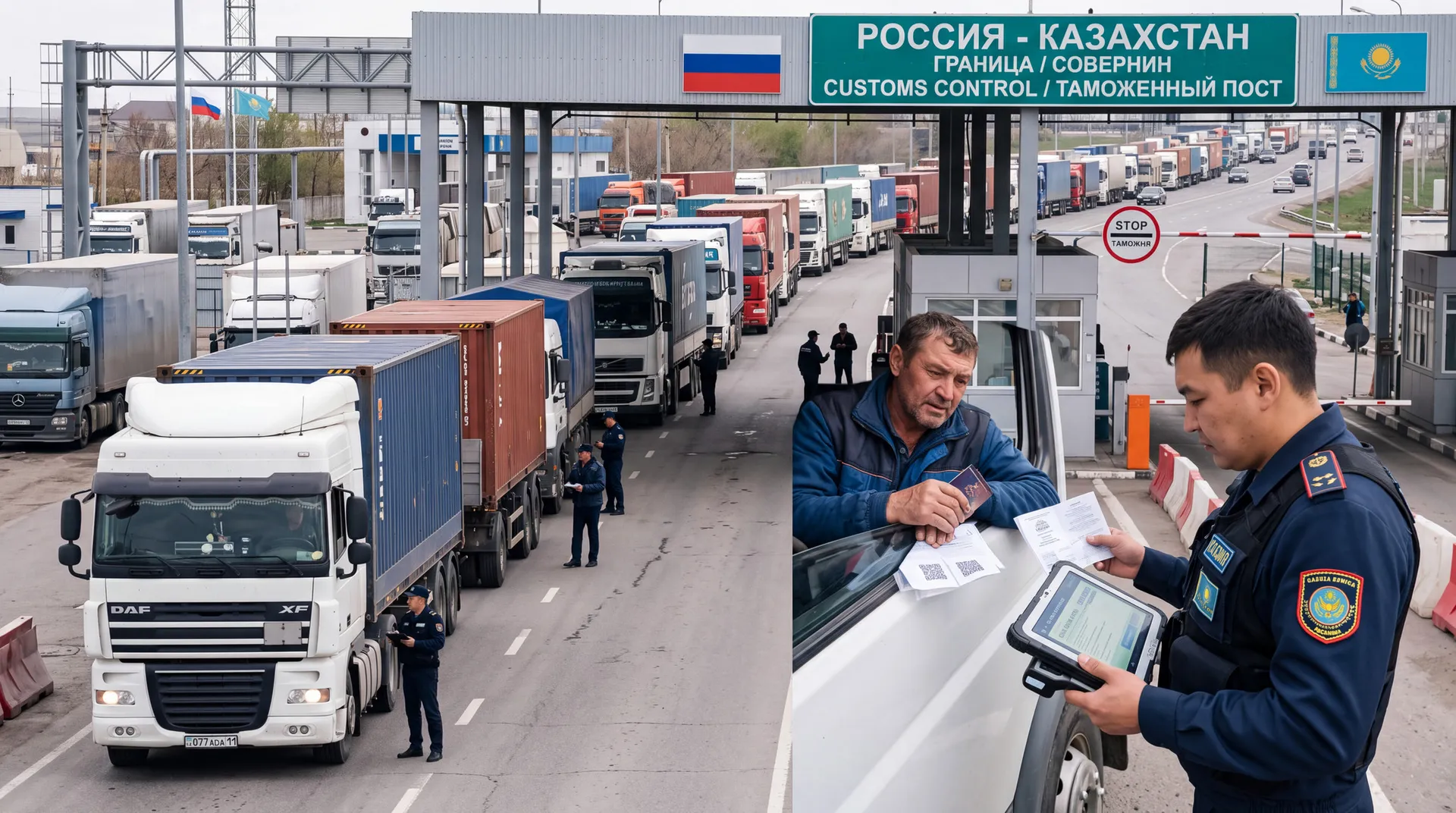
The new system for distributing declarations between electronic declaration centers has reached working volumes. In one week, more than 76,000 declarations for goods were redistributed between the CED, with the largest share falling on two Moscow centers at once.
The mechanism works without the participation of officials: the distribution goes through a single automated information system of customs authorities. The FCS began testing on February 20, 2026 in a pilot zone of three centers, and expanded the procedure on March 1. Linking to the type of transport, the place of tax registration of the participant in foreign economic activity and the location of goods was excluded from the algorithm. One factor became decisive — the loading of the center at the time of submission.
The agency explains the solution to the tasks of the technological level: to minimize the impact of time zones and emergency situations on the work of customs authorities and to eliminate corruption. At the same time, the FCS links the changes to the ability to file declarations around the clock.
For businesses, the point of responsibility for the release rate is changing. The importer, accustomed to the predictable work of his "own" center, now depends on the loading of the data center where the declaration got to, and on the specifics of his practice. With the correct documents and stable logistics, the issue can still go to another region.
There is also an observation that should be kept in mind when planning. According to February data, more than 80% of declarations were redistributed due to filing outside the working hours of the base post. That is, the filing time remains the only thing that the declarant really influences.
What should foreign economic activity participants do? To reassemble the internal filing regulations: if the filing time determines where the declaration will go, you need to plan it consciously, and not according to the residual principle. To abandon calculations for a "familiar inspector" and bring the set of documents to a level that will withstand inspection in any center. To include a wider range of output in the delivery time. And to clarify the status for authorized economic operators separately: for some types of AEO, the right to choose the submission procedure was retained, and this issue should be closed in writing.
Similar materials on the website
- Customs declaration: complete instructions for filling out, which will save your nerves and money — how to assemble a kit that will be checked at any center