Starting from September 1, 2026, Russia will change the rules of border control for foreign carriers, the procedure for transporting dangerous goods and the procedure for processing documents for transporting perishable products. This was recalled by the Ministry of Transport of Russia.
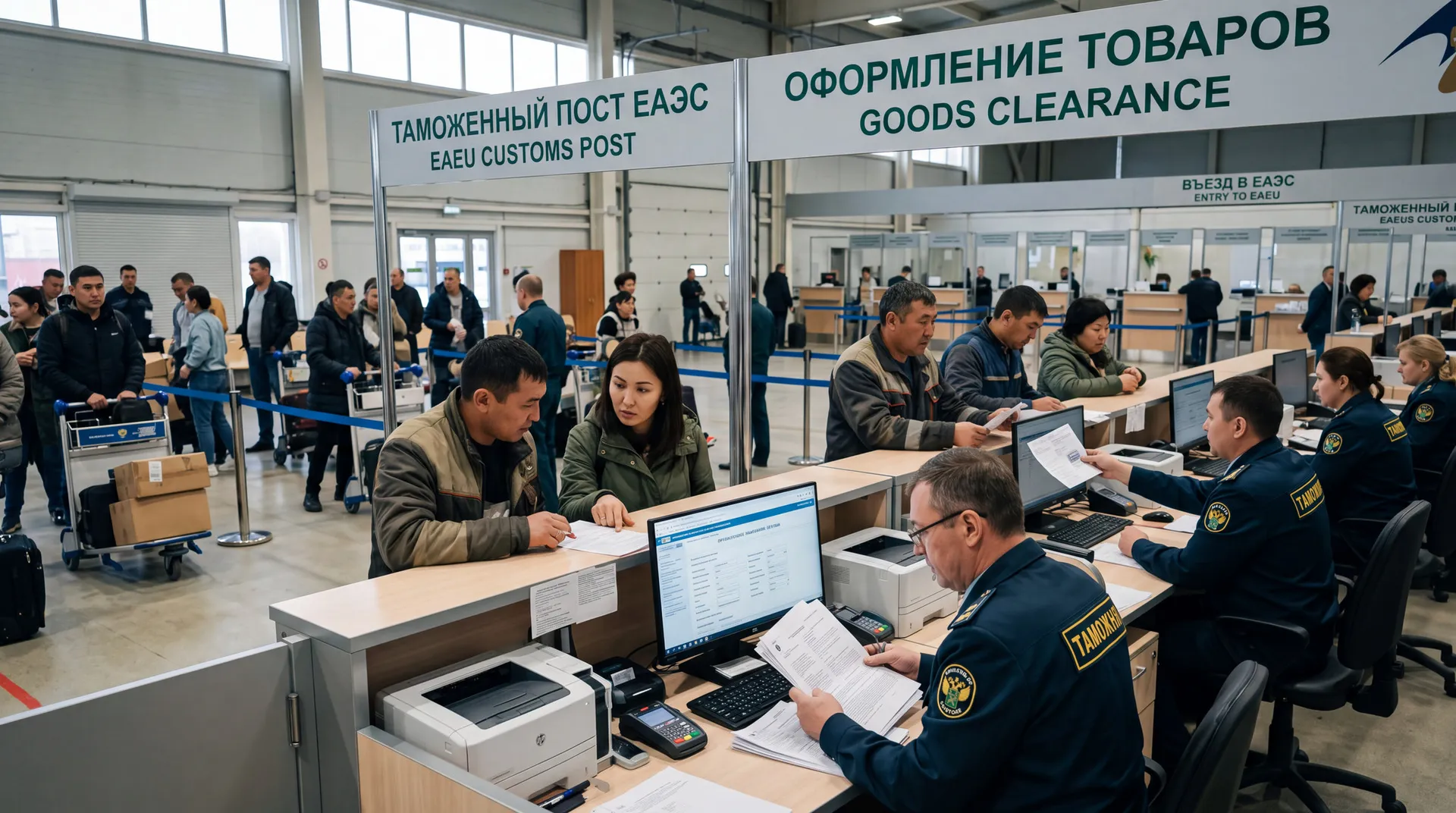
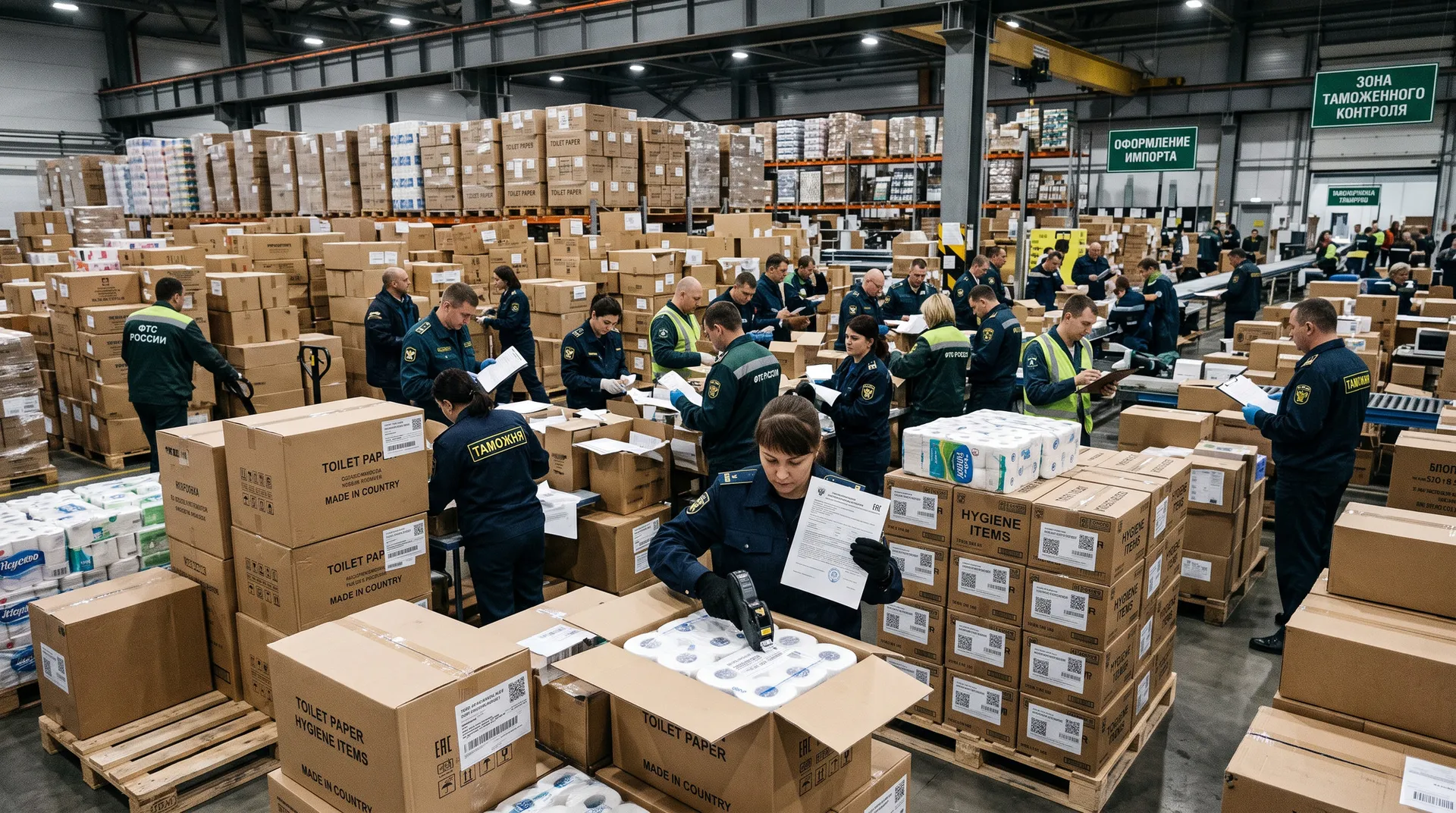
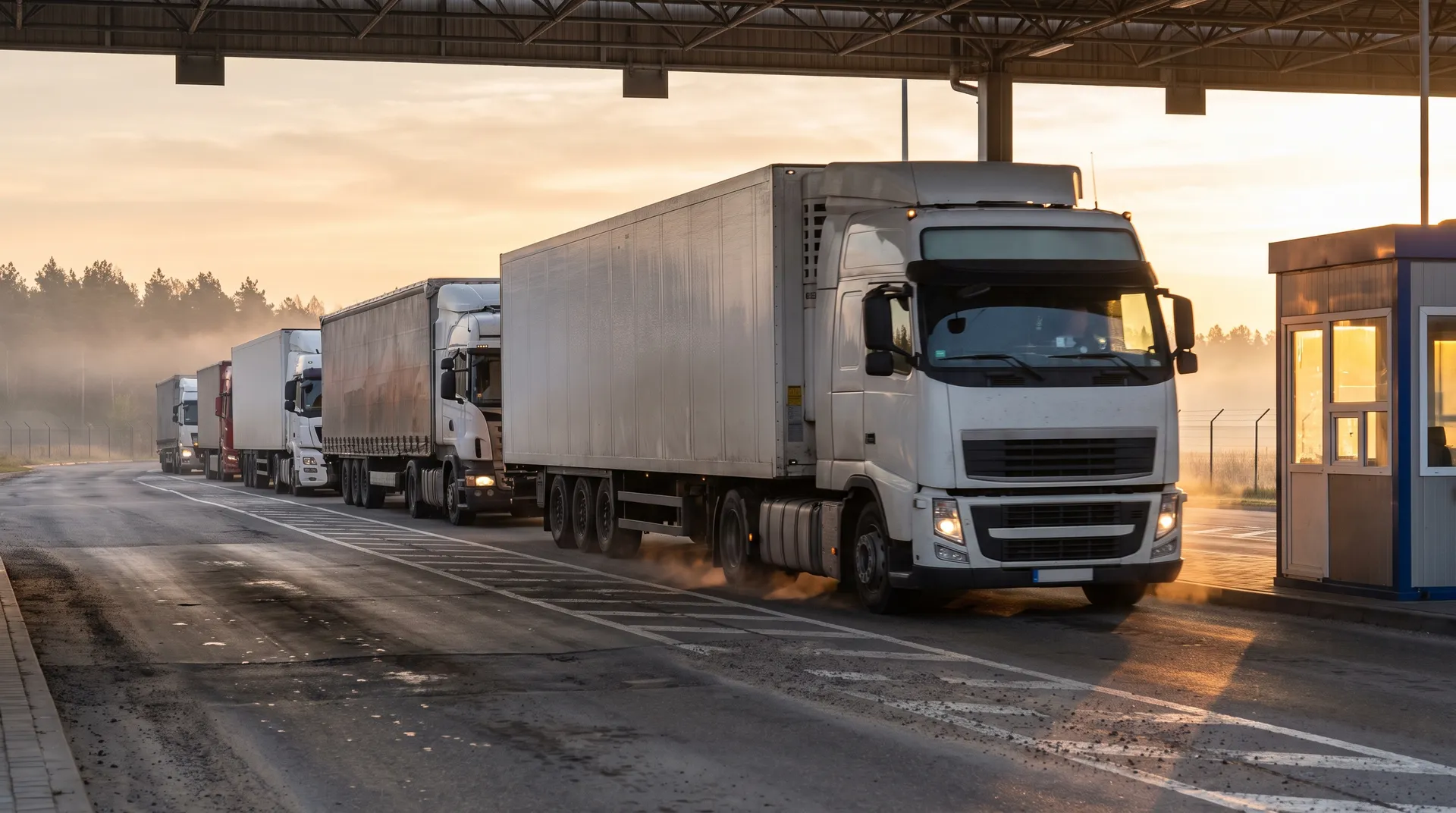
The first block affects all those who carry imports by cars of Belarusian, Kazakh, Chinese, Turkish and other foreign carriers. Border control for them is set up according to the updated rules, and inconsistencies are detected at the entrance — in the same place where the queue is formed.
The second block is dangerous goods. The order of transportation is changing here, and hence the requirements for accompanying documents, labeling of transport units, and driver and car permits. The category is broader than is commonly thought: aerosols, paint and varnish materials, lithium-ion batteries in appliances, household chemicals, perfumes with a high alcohol content fall under ADR.
The third block is perishable products. The procedure for processing documents is changing, and here the price of error is the highest: a delay at the border for a refrigerated shipment means not only downtime, but also the risk of loss of quality of the goods with the subsequent refusal of the recipient.
The practical risk for the cargo owner is that the documents for all three blocks are assembled at the junction: some are prepared by the carrier, some by the sender, and some by the importer. The gap closes at the border, where it is most expensive to fix it.
Before September 1, it is worth going through three points. To request written confirmation from foreign contractors of their readiness for the new control procedure is not an oral "we are aware", but specifics on the documents. For dangerous goods, lift the existing kits and check them against the updated requirements, including driver's permits and vehicle certificates. To receive the current forms from the forwarder on a cursive and agree on who exactly issues them and at what time.
Separately, it makes sense to include a time reserve in the September schedule. The first weeks after the change of rules traditionally result in a surge in entry refusals and an increase in queues at crossings, and this is superimposed on the already extended delivery time from China.
Similar materials on the website
- The Ministry of Transport has confirmed that they will not be fined for paper invoices until March — the second change of the same department with the same start date