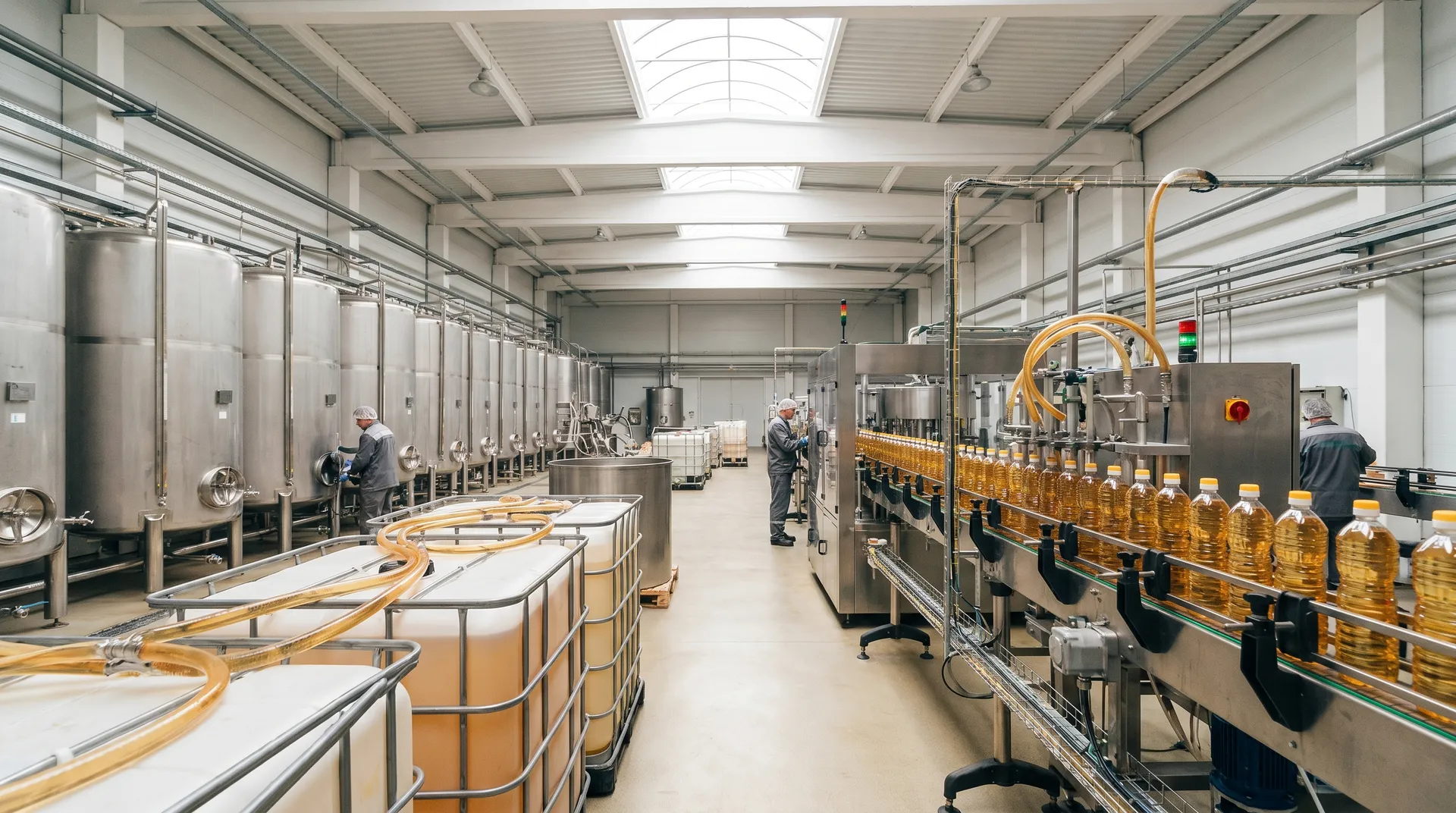
Palm oil is one of the most widely imported oils in the world: it is cheap, versatile, and is used in the confectionery industry, margarine production, cosmetics, and biofuels. Russia has historically bought a significant part of palm oil from Indonesia and Malaysia — both countries are not "unfriendly", therefore, an increase in duties is not critical for the bulk of imports.
The sharp jump from 5% to 35% specifically concerns supplies from countries classified as unfriendly — these are usually EU countries and some other Western jurisdictions that, in principle, supplied minimal amounts of palm oil to the Russian market (most palm oil production is geographically concentrated in Southeast Asia, not Europe).
Why an exception was made for Hungary and Slovakia
Hungary and Slovakia are the EU countries that maintain the warmest relations with Russia among the union's members, including on energy issues (continued purchases of Russian oil and gas through pipelines). Excluding them from the increased duties on palm oil is a targeted gesture within the framework of the general policy of differentiated treatment of EU countries, depending on their position.
The real effect of the measure
Since the bulk of palm oil comes from Indonesia and Malaysia (friendly countries, the low base duty does not change), the direct impact on consumer prices is minimal. This is confirmed by the Ministry of Agriculture itself.
The main point of the measure is not fiscal (volumes from unfriendly countries are already minimal), but symbolic and structural: consolidating the course towards reorienting import flows and supporting domestic production of sunflower, rapeseed and other oils as an alternative to palm oil.
What does this mean for the fat and oil industry business?
For producers using palm oil as a raw material (confectionery industry, margarine production): make sure that the current suppliers are from Indonesia, Malaysia or other friendly countries. If there are European palm oil traders in the supply chain (even as intermediaries for the Indonesian product), check the country of origin of the goods according to the documents, and not just the country of shipment.
For vegetable oil producers in Russia: An additional competitive incentive from the government is the growth of the share of domestic products in the market, which is the expected result of the measure.