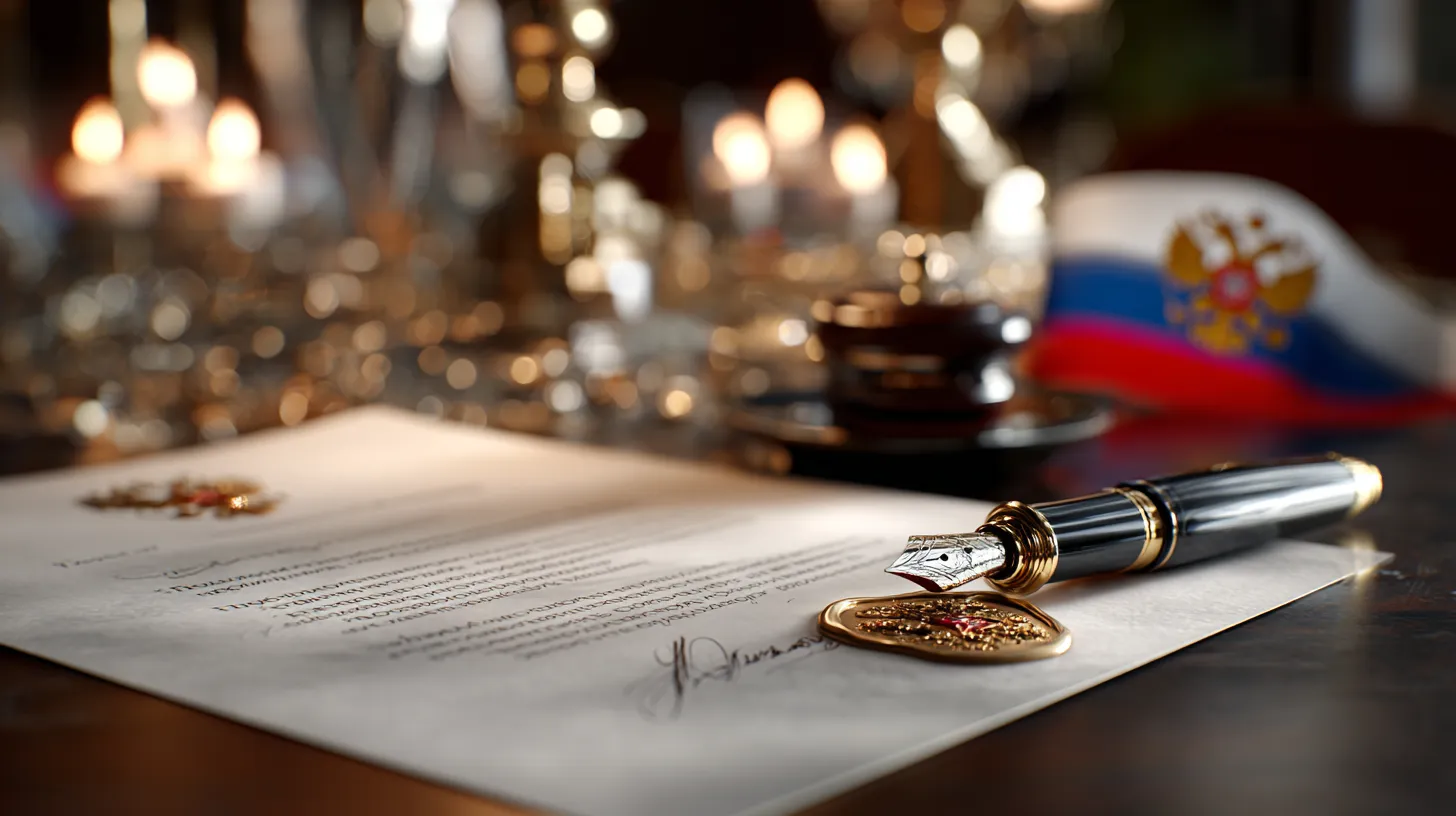
President of the Russian Federation Vladimir Putin signed Decree No. 657 dated September 17, 2025, which extends the validity period of special economic measures aimed at ensuring national security in the field of foreign economic activity. The document was published on September 19 and entered into force from the moment of publication.
In accordance with the new decree, the previously issued Decree No. 100 dated March 8, 2022 establishes the extension of the restrictive measures from "until December 31, 2025" to "until December 31, 2027". Thus, the economic policy aimed at reducing dependence on external pressure and sanctions will remain in place for at least two more years.
Decree No. 100 initially imposed a number of restrictions on transactions, transactions and the participation of Russian legal entities and individuals in foreign economic activity, including transactions with foreigners from unfriendly countries. These measures include exports, imports, investments, and currency transactions.
The extension of the restrictions, according to analysts, reflects the need for long-term adaptation of the Russian economy to new conditions, as well as the desire to maintain the stability of strategic industries in the face of foreign policy turbulence.
Thus, the government signals the continuation of the course towards economic sovereignty, increased control over cross-border flows of capital and resources, as well as the development of an internal production base.
The decision is fixed at the highest level and assumes that the current restrictions and mechanisms for their implementation will remain relevant until the end of 2027.