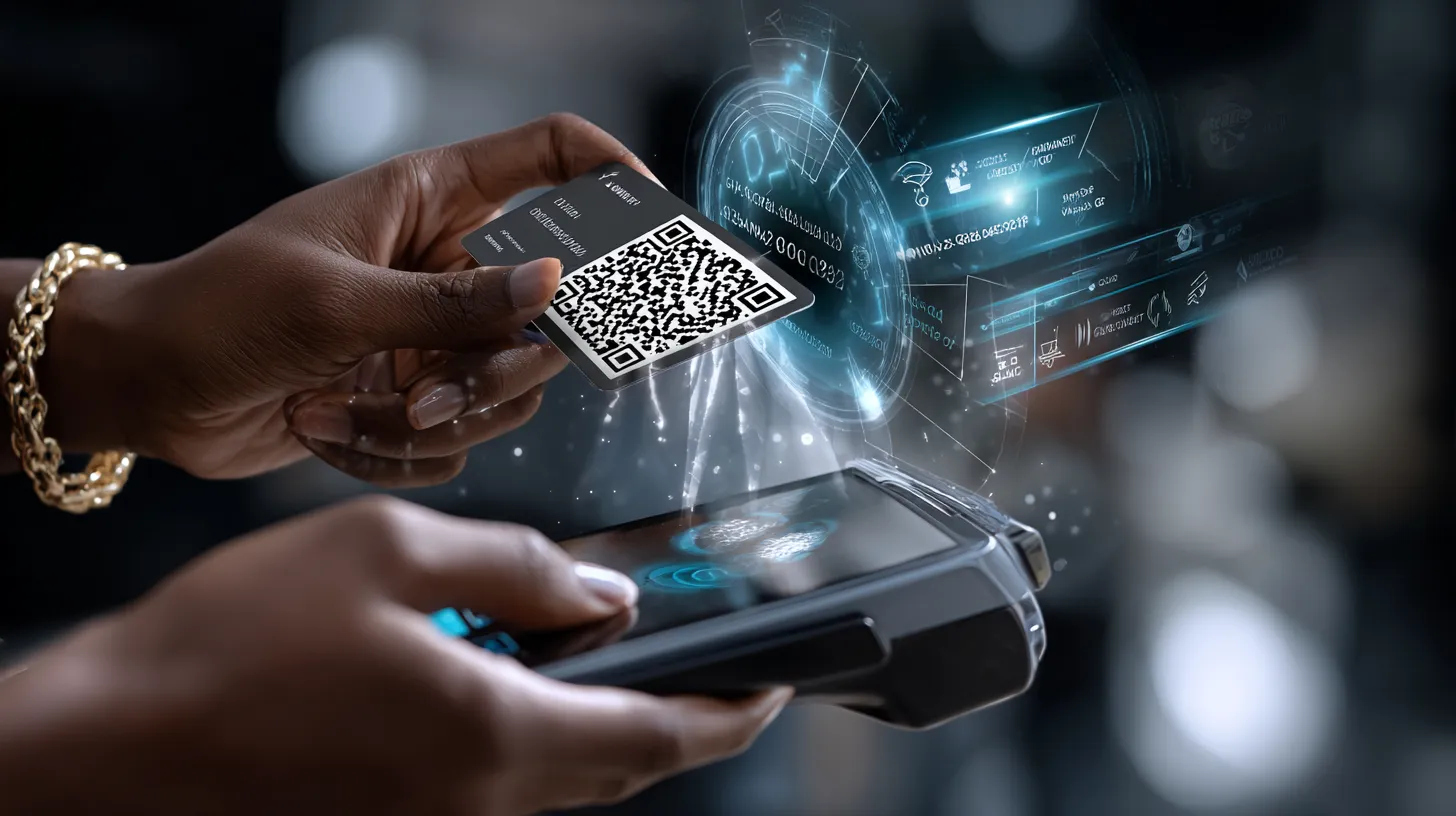
The largest players in the banking sector — Sberbank, Alfa-Bank and T-bank — have announced the development of a new payment platform that will work without the usual plastic cards. Instead, the focus will shift to more modern payment methods: QR codes, biometric technologies, and Bluetooth.
This step is explained by the banks' desire to offer the market an innovative product that is independent of foreign solutions. The development is still at the concept stage, but it is known that investments in the project can reach 10 billion rubles.
The new system will be designed for both retail and business users. Its goal is to create an alternative to existing cards and terminals, as well as to increase security and convenience during operations. In particular, the introduction of face, fingerprint, and even geolocation payments is being considered.
Experts note that similar solutions are already being used in some Asian countries, and Russia is ready to adapt best practices to suit its conditions. The abandonment of plastic cards will reduce the cost of infrastructure, simplify acquiring and speed up transaction processing.
However, implementation will require significant legislative changes and close cooperation with the Central Bank. The issues of personal data protection and standardization of interaction protocols will become key when launching the new system.
It is assumed that pilot projects can be launched as early as 2026. They will be tested on a limited group of users and in large retail chains. In the future, the system can be integrated with Public Services and other digital services.
The creation of a new cardless payment ecosystem is a strategic response to changes in global financial flows and sanctions pressure. Russian banks are striving not only to adapt, but also to set trends in the development of digital finance. Innovation in the field of payments is becoming an integral part of a country's economic sustainability and technological sovereignty.