






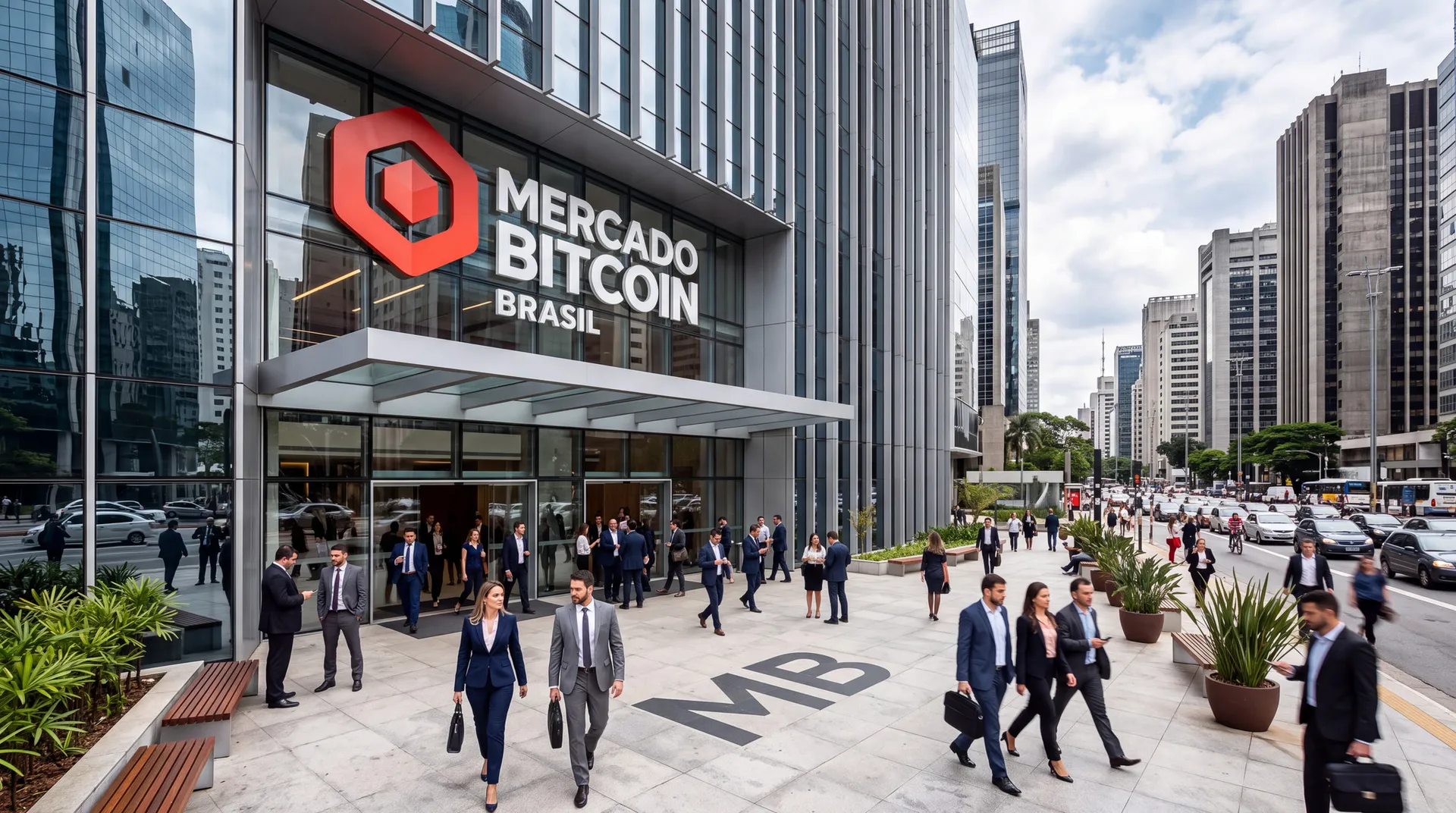
The application covers two lines of business at once: brokering crypto asset transactions and holding them in custody. The company has been on the market since 2013 and serves 4.8 million clients.
Alongside Mercado Bitcoin, the crypto exchange Bybit and the stablecoin issuer Crown also filed applications with the Central Bank. Itaú Unibanco, the country’s largest private bank, notified the regulator of its crypto asset brokerage and custody activities under a separate procedure for already licensed financial institutions.
In addition to cryptocurrency trading, Mercado Bitcoin offers tokenised investments, lending and payment solutions. In October, the company announced agreements with the Bitso and Bity platforms to take over their clients in Brazil, and was also recommended by the Coinext exchange to its users.
“Regulation is an important step for the Brazilian digital asset market. Clear rules reduce uncertainty and attract new investors. The task now is to ensure these rules are applied equally to all participants, creating conditions for balanced competition and sustainable growth,” said Vanessa Butalla, Vice President for Legal, Compliance and Risk at Mercado Bitcoin.
In 2027, the company plans to expand its payment service and stablecoin range, as well as increase its offering of tokenised investment instruments.
For Russian exporters and importers working with Brazilian partners, the regulatory legalisation of crypto brokers means more transparent infrastructure for cross-border settlements. Brazil is a BRICS member, and the issue of payment channels between the two countries remains relevant amid restrictions in the traditional banking system. Licensed platforms with custody functions can potentially reduce risks when cryptocurrency is used as a settlement instrument, including through stablecoins, which Mercado Bitcoin intends to develop next year.
Related news:
- The Central Bank gained the right to ban cryptocurrency transactions in agreement with the Ministry of Finance — new powers of the Central Bank in the crypto sector
- Cryptocurrency for foreign trade: what Law 282-FZ changed from 1 September 2026 — what the crypto law allows in foreign trade
- The Central Bank will limit crypto purchases: three coins and 300,000 a year — what restrictions the regulator is preparing for crypto purchases
- Crypto in foreign trade from 1 September: three dates and one exception — key dates for crypto settlements in foreign trade