Road transportation from China is developing rapidly and has already gone beyond a niche logistics solution. In 2025, this format has become an alternative to sea and rail routes, which are increasingly facing disruptions. But the external simplicity and speed of car delivery hide risks that importers often forget about.
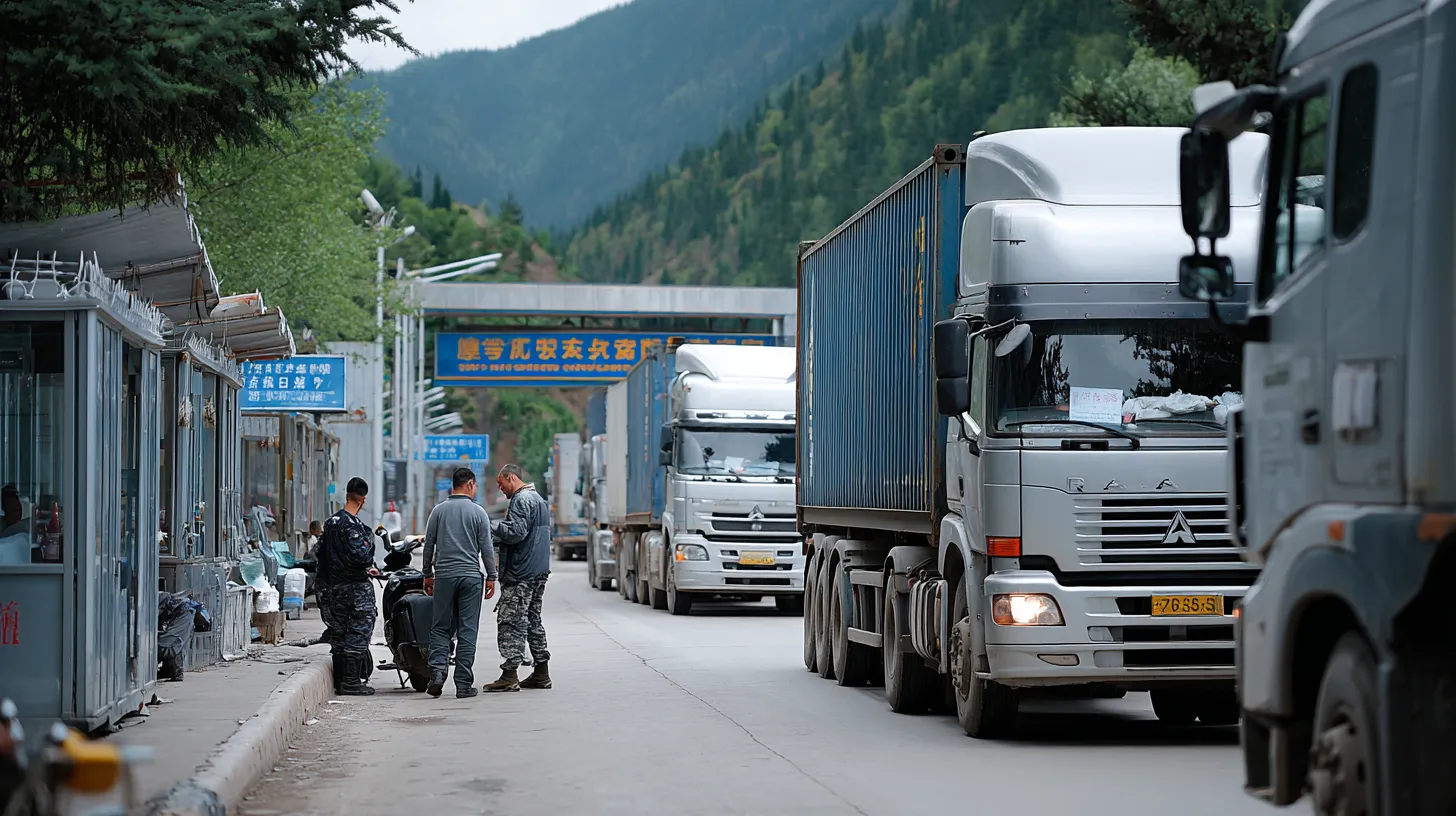
According to experts, the key advantage of vehicles remains the time — the cargo can be delivered in 7-20 days. However, in practice the situation is more complicated. Queues at the Manchuria — Zabaikalsk and Suifenhe —Grodekovo crossings reach kilometers, and transit through Kazakhstan is slowed down by checks on "gray" imports. Delays of several days are becoming the norm.
New Chinese export clearance requirements have been introduced since October 1. Now the fapiao has become mandatory — an original invoice with an exact indication of the manufacturer. An error in this document or an incorrect HS code can lead to a complete stop of the cargo and penalties. Phytosanitary control has been tightened: the validity period of certificates is limited to 30 days, which requires perfect timing synchronization.
Against the background of the pressure of stricter regulations, price competition has also sharply intensified. Chinese logistics companies are lowering their rates against the background of government support, ignoring weight and safety standards. This allows for dumping, but it carries risks: it is these flights that are most often subject to inspections, and companies that focus only on the lowest price then lose more on fines and downtime.
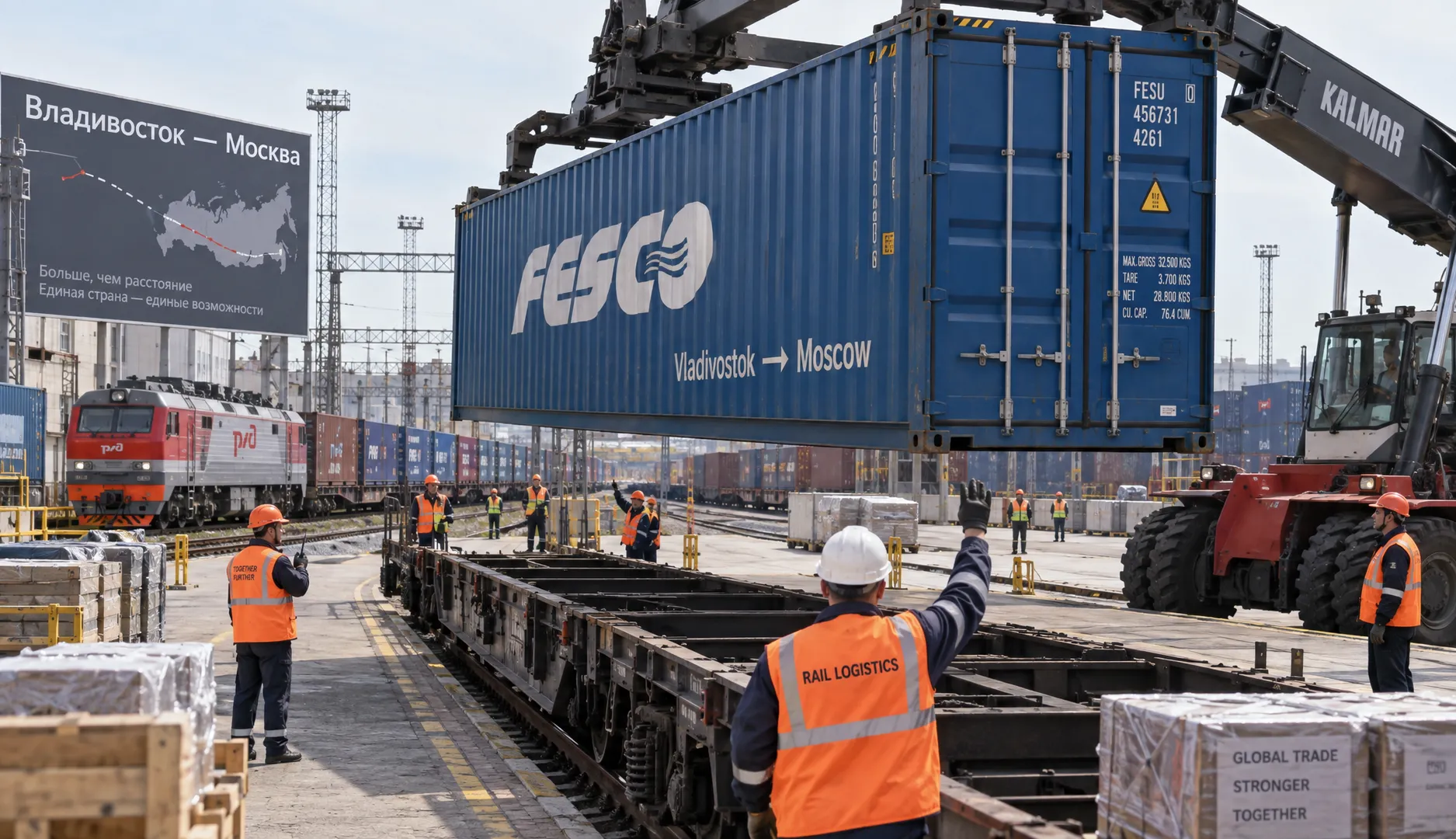
Infrastructure constraints are exacerbating the situation. The Far Eastern crossings are overloaded, Russian Railways is operating at its limit, and since November, the recycling fee for trucks has been increasing, which will make transportation more expensive. Such a logistical environment requires companies to be as prepared and thoughtful as possible at all stages.
Successful delivery from China is now impossible without digital monitoring, insurance, legally correct documents and work with trusted partners. Speed alone does not guarantee success — it is important that every stage of the chain is under control. True competitiveness in logistics is not just "cheap and fast", but reliable and stable.
Motor transport remains a key tool for the delivery of urgent and medium-tonnage goods. However, the companies that benefit are those that rely not on promises, but on building a sustainable and transparent logistics model.