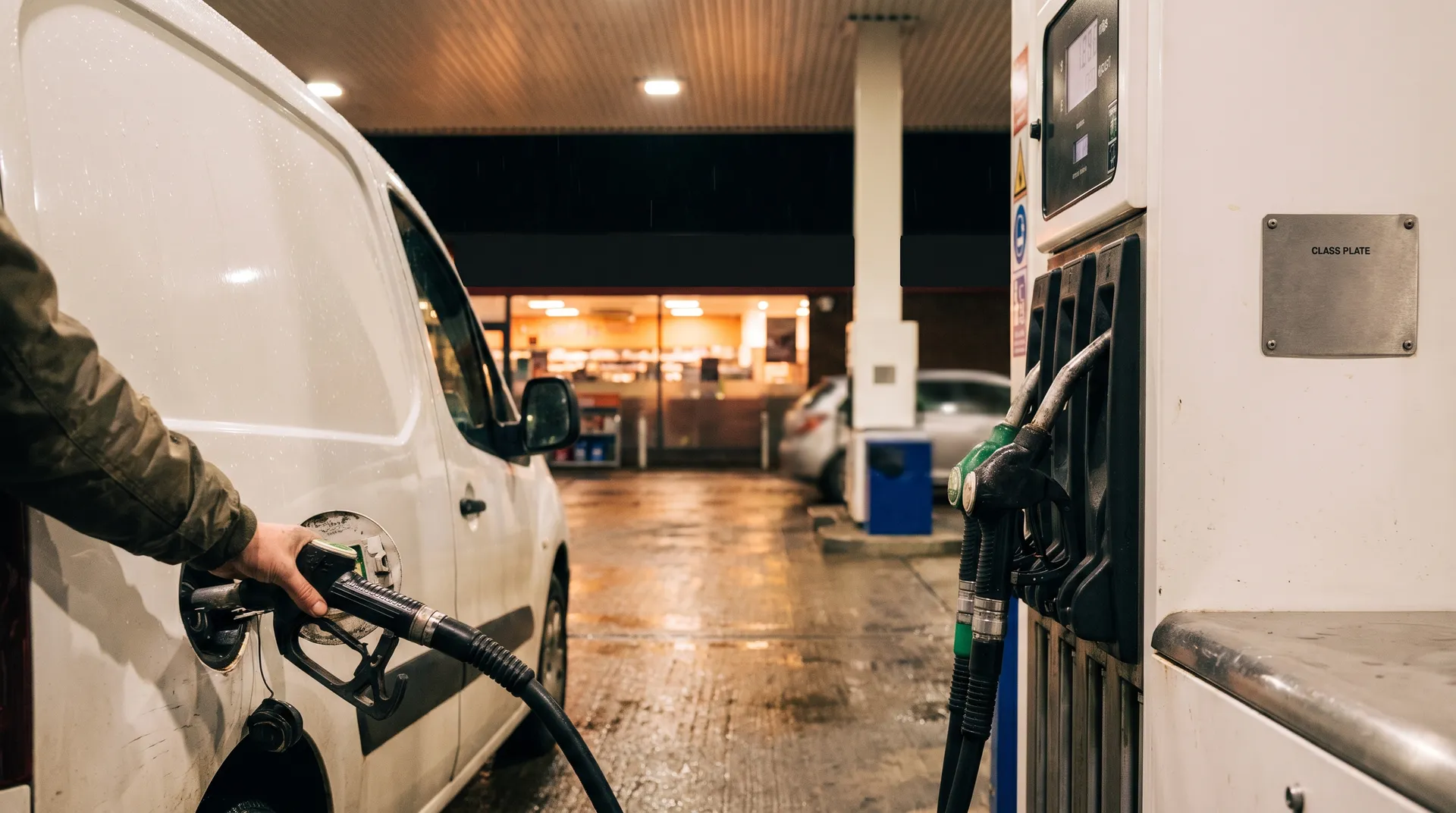
The government has allowed temporary retail sales of gasoline and diesel fuels of ecological classes K2, K3, K4 and K5 at Russian gas stations — they are also Euro-2, Euro-3, Euro-4 and Euro-5. The decision is valid from September 1, 2026 to June 30, 2027.
Previously, refineries could produce and supply such brands under internal contracts, and the ability to sell them at gas stations was limited. Now the fuel is supplied to retail on the same terms for the market.
The Ministry of Energy calls the decision a tool for rapid response to the current operating conditions of the fuel market: the measure should increase the stability of supplies and reduce the risks of shortages of certain types of fuel. The Agency emphasizes that the long-term approaches of state policy to the environmental requirements of oil refining remain, and gas stations are required to provide customers with complete information about the environmental class of fuel sold.
There are two practical consequences for transport companies and owners of commercial fleets, and both are monetary.
The first is technology. Regular use of low-grade fuels increases the risk of problems with the catalyst, lambda probes, and particulate filter. On new machines that are under warranty, refueling below the class required by the manufacturer is a common reason for refusing warranty repairs. The repair of the exhaust gas neutralization system on a medium-duty vehicle costs significantly more than the difference in price per liter.
The second is control. Octane rating and environmental class are different characteristics, and AI—95 remains AI-95 regardless of the class. The driver at the gas station now needs to look not only at the brand, but also at the designation K2–K5.
What to do this week. Raise the equipment operating manuals and fix the minimum allowable fuel class for each model in the fleet. Make it a requirement in the refueling regulations to check the class on the pump and keep receipts — in case of a warranty dispute, this is proof. And bring the rule to the drivers with a separate instruction, and not with a line in the general order.