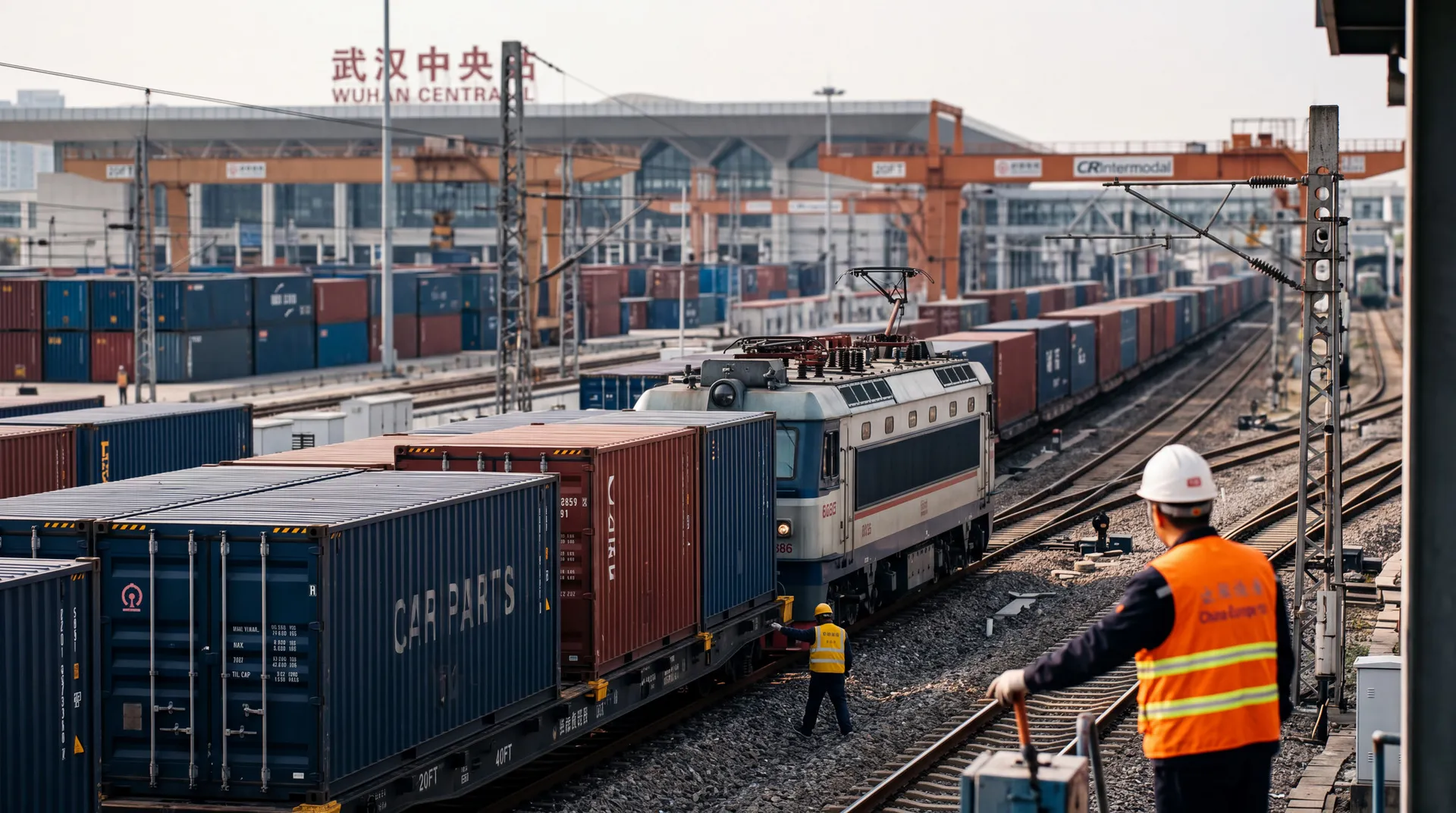
The first train loaded with auto parts left China Railway Intermodal Wuhan Central Station on Friday. The route passes through the Alashankou border crossing in the Xinjiang Uygur Autonomous Region, one of the main land corridors between China and Russia.
Ulyanovsk was not chosen by chance: the city specializes in the production of automobiles and aviation equipment, which directly corresponds to the profile of Hubei province, where large automotive enterprises are concentrated. The coincidence of the industry profiles of the two regions became the basis for the formation of a new logistics corridor.
Preparations for the launch required the coordination of several structures. Wuhan-Europe International has assessed export demand and developed a cross-border logistics scheme. Hankou Customs and China Railway Container Transport Corp. joined the operational part. (CRCT) and the Wuhan railway authorities — they synchronized train schedules, customs clearance, cargo transportation and loading at the terminal.
For exporters from Hubei, the route means direct access to the Russian market without intermediate transshipment. Reducing transit time and reducing total costs make it competitive compared to sea routes, where the delivery shoulder is significantly longer.
By the time the new route was launched, the China-Europe Railway Express (Wuhan) network covered 64 cross-border routes connecting 125 cities in 42 countries and regions of Eurasia. The Ulyanovsk branch expands the geography of the network and adds a specialized channel for supplies to the Russian automotive industry.
Companies working with the import of automotive components from Hubei should clarify with the operators the conditions for cargo consolidation on the new route and the current terms of customs clearance through Alashankou — the crossing is one of the busiest on the Sino-Russian route.
Related materials:
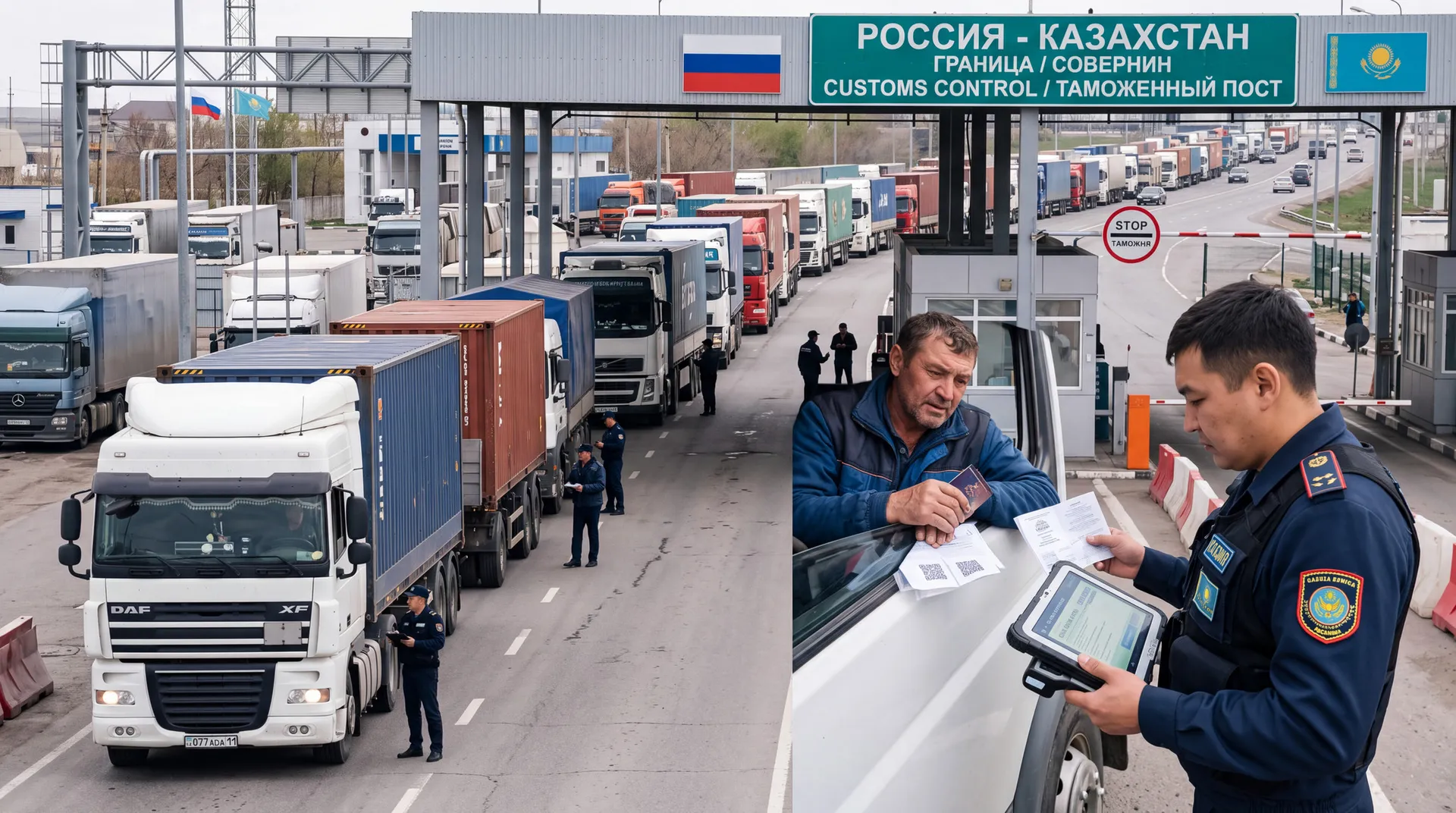
- Imports from China in 2026: 22% VAT, duties and navigation seals on the route through Kazakhstan — the train through Alashankou is in transit through Kazakhstan, where seals are needed
- Russian Railways freight tariffs will increase by 8.5% from October 1. How much will the Russian leg of the route to Ulyanovsk cost?
- The EAEU and the CIS are preparing a single transport space for Greater Eurasia — how will the rules of transit along the China—EAEU corridor change