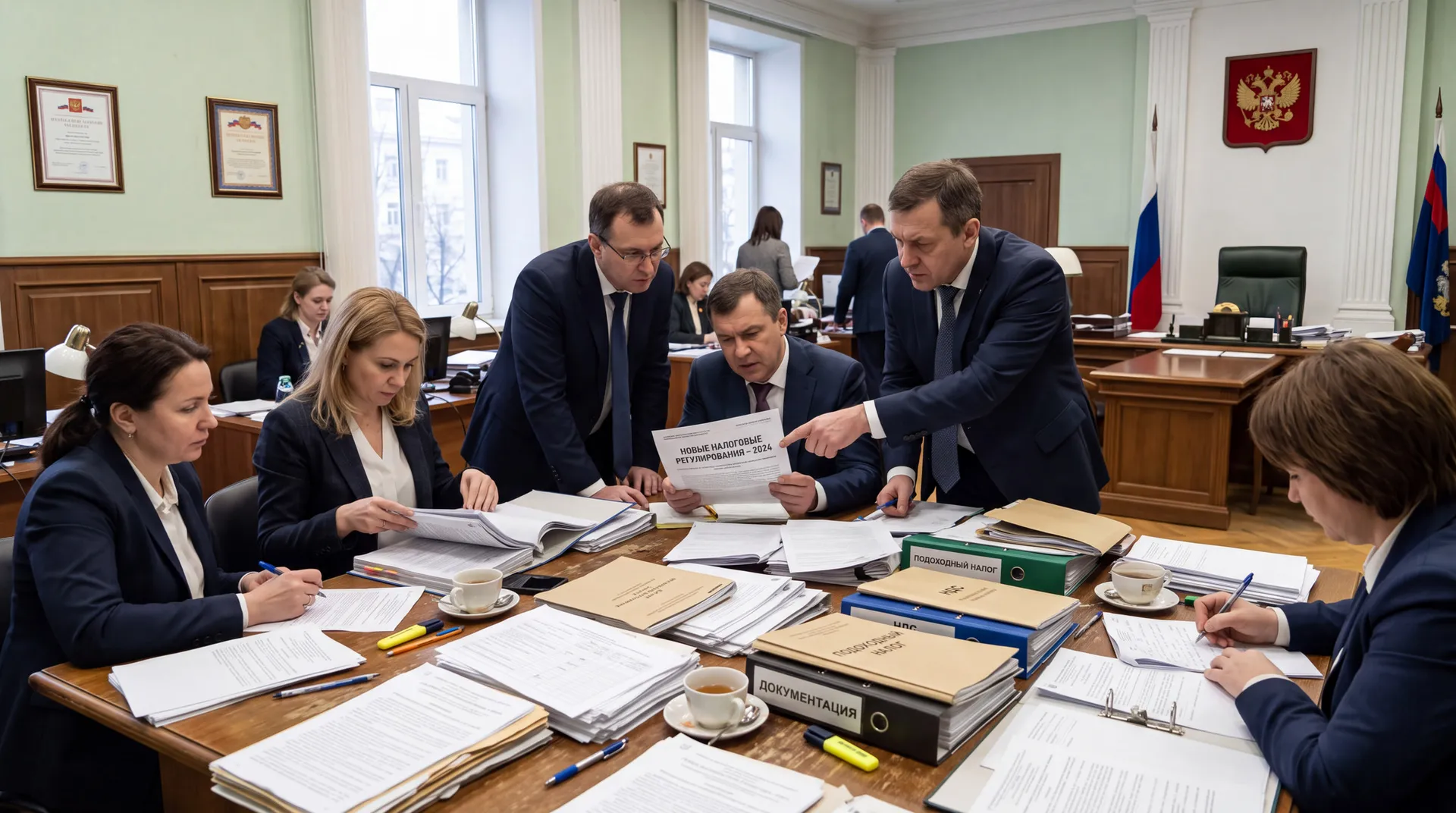
The operators will be tested according to 33 criteria: transparency of commissions, refund rules, notifications of changes in terms, availability of customer support and the level of training of its employees. Previously, compliance with these requirements was advisory in nature — now the Central Bank is moving to systemic supervision with the right to demand corrections and apply sanctions up to the revocation of the license.
"The client must understand the cost of the transaction in advance and know under what conditions the money can be debited or refunded," said Vasily Kutyin, Ingo Bank's Director of Analytics.
The market to which the new methodology is applied grew 1.6 times in 2025 and reached 13.3 trillion rubles. As of October 1, 2026, there were about 40 e-wallet operators operating in Russia, but no more than seven were widely known among them. Additional costs for meeting new requirements will accelerate the consolidation of the industry, although analysts do not expect a mass closure of companies.
The problem of fraud remains a separate challenge. In 2025, about 13.4 thousand transactions were connected with electronic wallets without the consent of customers in the amount of over 170 million rubles. The new methodology regulates the disclosure of information and the quality of service — it is not intended to completely block fraudulent schemes.
For companies using e-wallets in cross-border settlements with suppliers and buyers, stricter supervision has a double effect. On the one hand, operators will be required to clearly disclose the cost of transactions and refund terms — this reduces operational risks for international payments. On the other hand, the departure of small operators will reduce the number of available tools, especially in niche settlement schemes. Businesses should check in advance whether the current provider is among the stable players and, if necessary, refocus on larger platforms before the market undergoes a wave of consolidation.
Related materials:
- Digital ruble from September 1, 2026: who is required to accept and how to keep records — another means of payment under the supervision of the Central Bank with obligations for business
- Universal QR code: banks were given a delay until March 2027, when payment acceptance from sellers will change
- Account blocking under 115-FZ: how a foreign economic activity company gets into the blacklist of banks and whether it is possible to get out of it - how payments through wallets affect bank checks