Despite official agreements between Russia and China and well-established transport corridors, the export of veterinary goods is still accompanied by significant difficulties. According to Denis Makarov, a Growex expert with 15 years of experience in international logistics, the main source of problems is not infrastructure or sanctions, but the human factor and errors in documents.
Even minor inaccuracies in veterinary certificates, discrepancies in batch numbers, or inconsistencies in translations cause delays and refusals on the Chinese side. There are no small things at the border — every discrepancy is considered a violation, which is why shipments are idle for weeks.
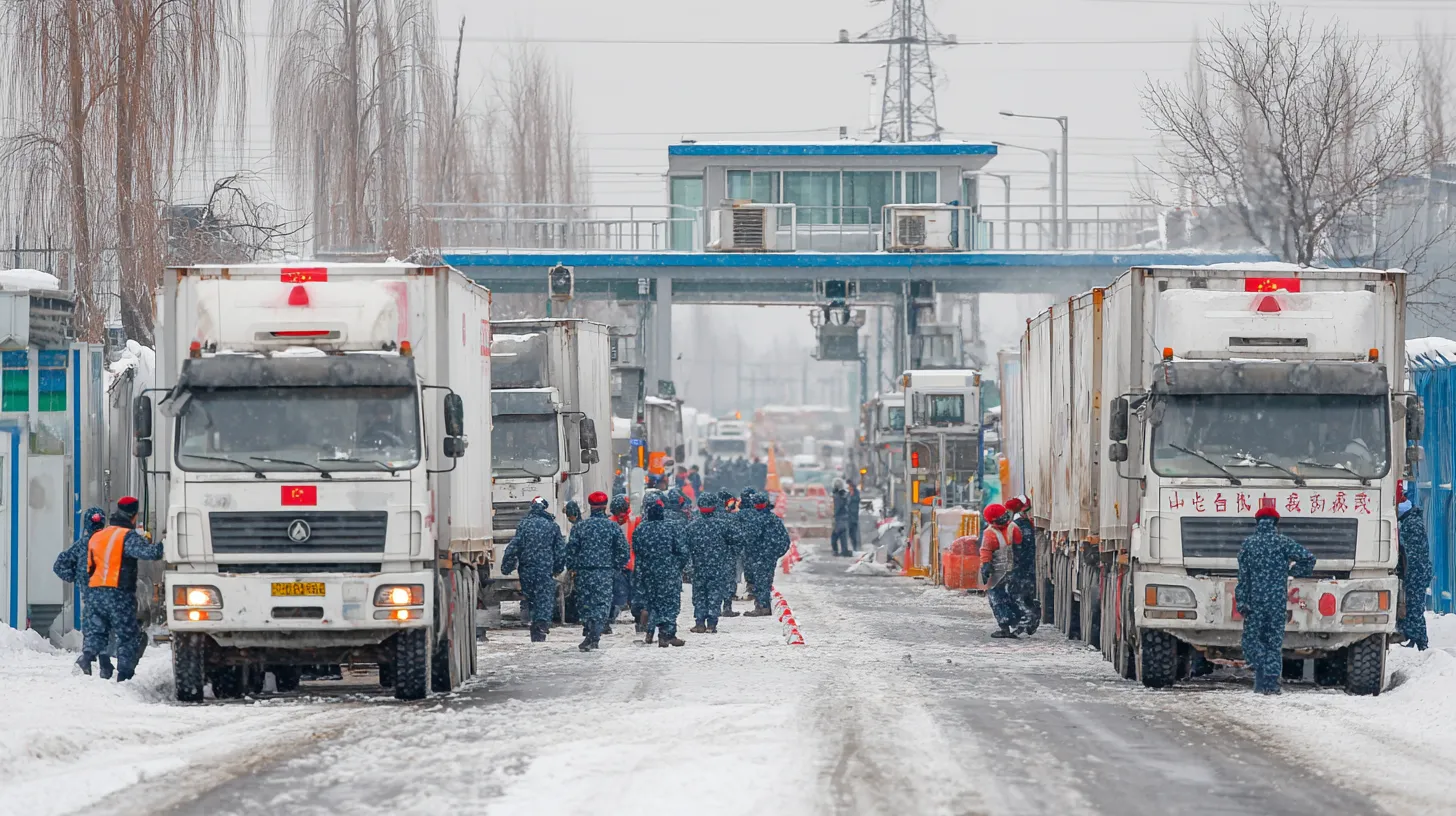
The key crossings in Zabaikalsk and Grodekovo are under particular strain. Here, sanitary and veterinary control can take from several hours to several days. In winter, the situation is complicated by a shortage of capacity for refrigerated trucks, and a violation of the temperature regime can lead to the loss of shipments.
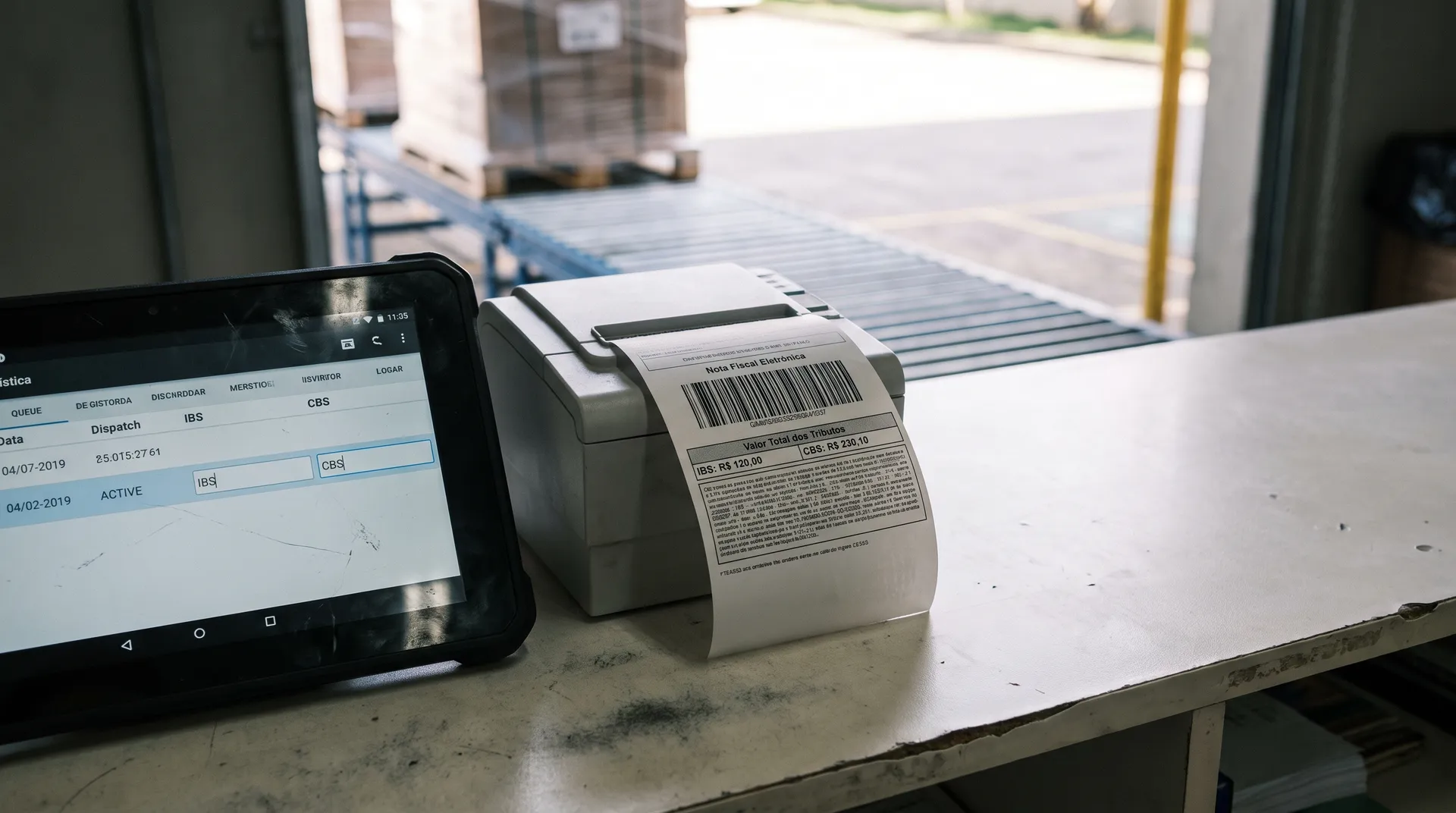
Even with proper logistics, the cargo may get stuck due to inconsistent file formats, out-of-sync databases between Rosselkhoznadzor and GACC, or updating Chinese requirements. Without constant monitoring and prompt document adjustments, the risk of delays is extremely high.
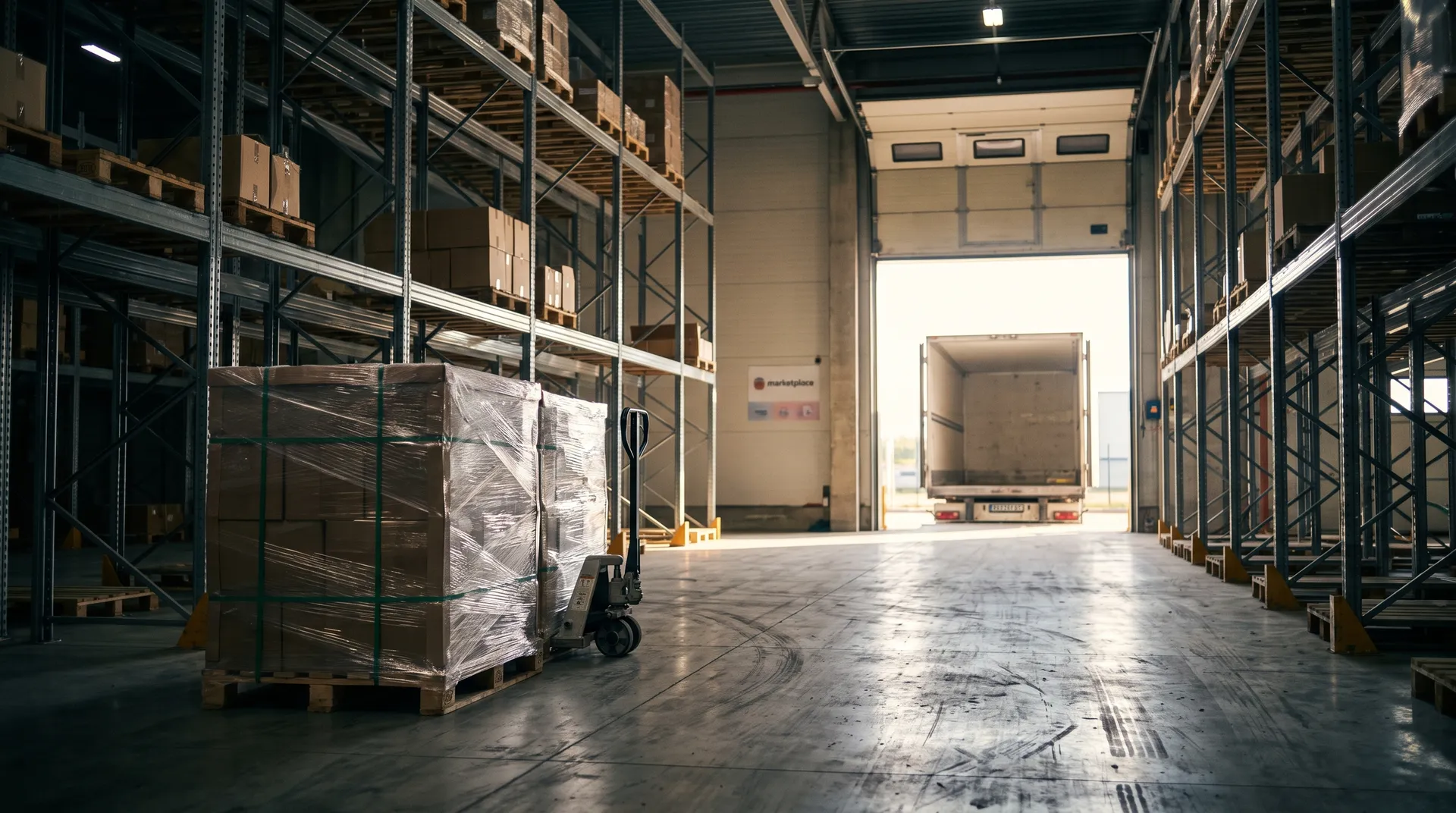
Makarov emphasizes that effective export requires jewelry precision. The manufacturer must be registered in the GACC registry, the documents must be checked, the route must be planned taking into account all possible delays, and high—quality loading with a photo report must be organized in the warehouse. This reduces the risk of disputes and saves resources.
To make the process sustainable, a systematic approach is needed: from electronic pre-notification to a backup plan for changing transitions. Only a clear division of roles between the manufacturer, logistics specialist and the VET service allows you to avoid downtime and ensure predictable logistics.
The main conclusion is that attention to detail and the rejection of the "by analogy with other countries" approach are becoming a decisive factor. In the Chinese direction, the winner is not the one who sends quickly, but the one who thoroughly prepares.