





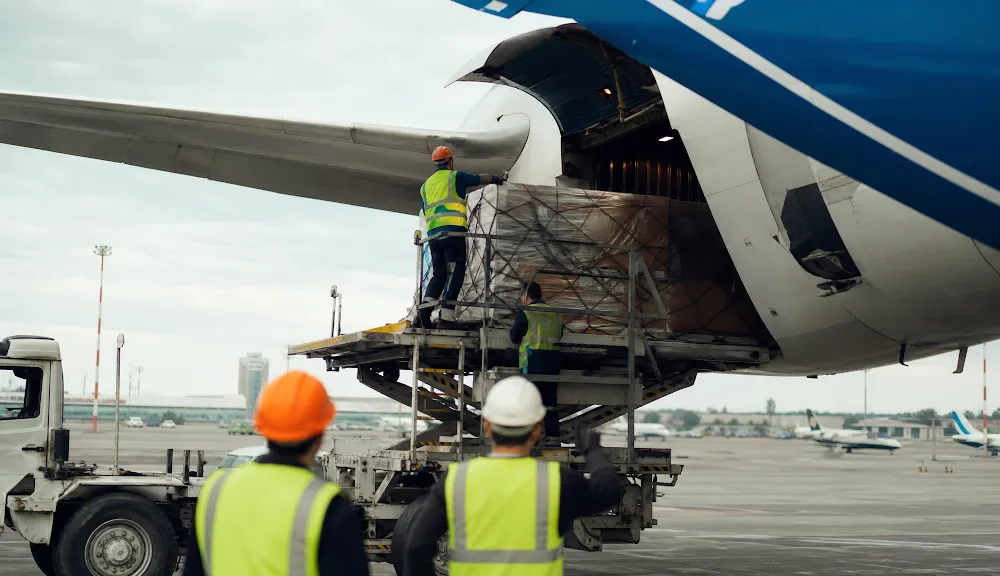
The service started on August 22. Since then, seven cargo flights have been completed, each with a load of about 50 tons. The operator of the project is the Uzbek state—owned company Uzbekistan Airports together with the cargo air carrier My Freighter.
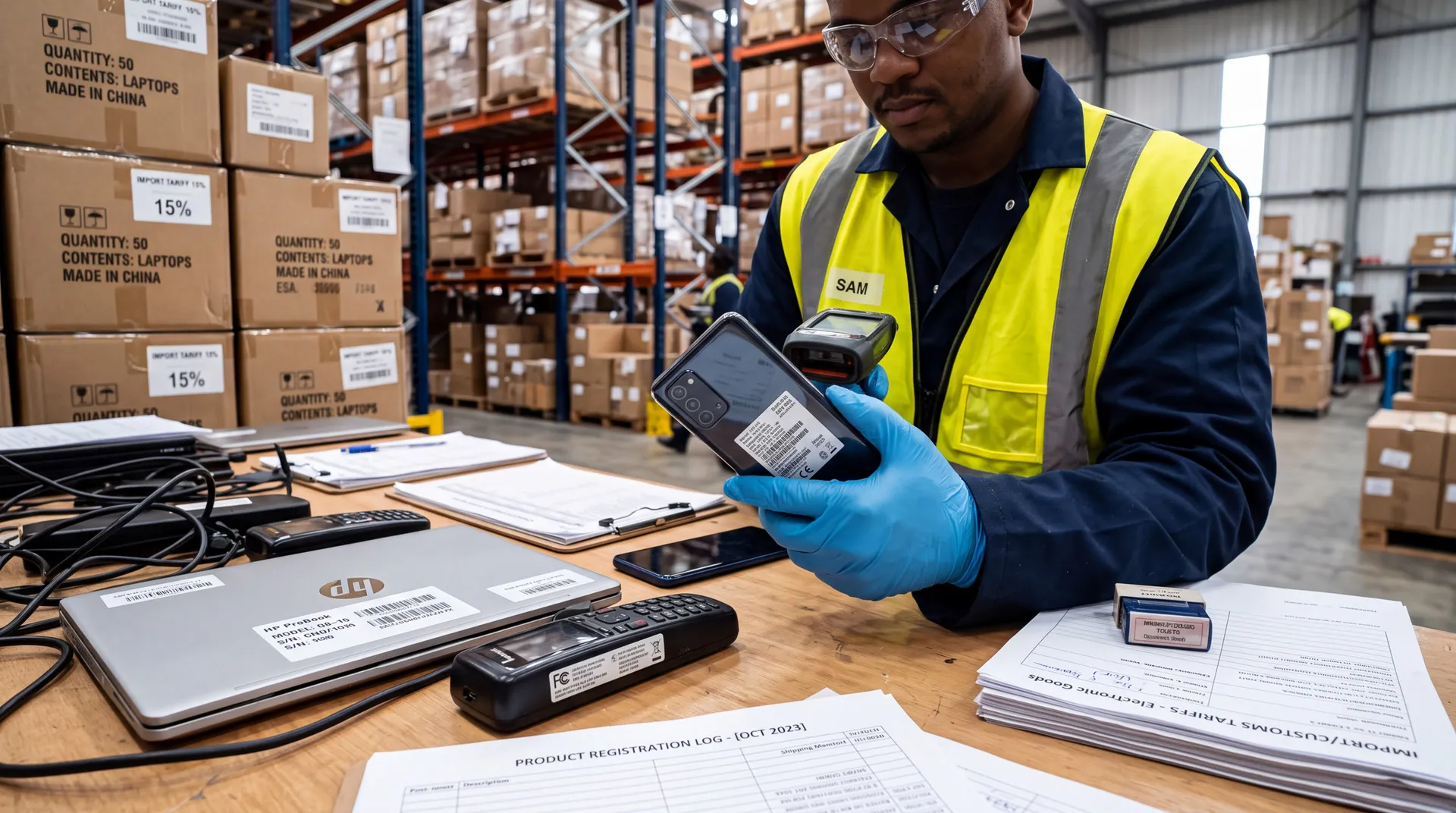
The route is based on the Truck-to-Air model: goods from different Chinese cities are first transported by road to Tashkent, processed at the airport, and then flown to Liege International Airport in Belgium. Goods are transported from Liege to other EU countries.
"E-commerce shipments coming from various Chinese cities are delivered by road to Tashkent. After arrival at Tashkent airport, the goods undergo the necessary processing procedures and are then transported by air to Liege International Airport (Belgium)," the press service of Uzbekistan Airports reported.
The planned frequency is from 4 to 6 flights per week. When reaching this figure, the weekly volume of shipments will be 200-300 tons. For comparison, seven completed flights have now yielded a total of about 350 tons since launch.
For exporters shipping goods to the EU, the route through Tashkent adds a working transit option in an environment where direct China—Europe logistics chains remain under pressure. Uzbekistan gets the role of a transshipment hub: the country is geographically closed, but Tashkent airport allows you to close the land shoulder from China to the air corridor to Western Europe without the sea shoulder.
The Uzbek side expects to develop Tashkent into one of the multimodal hubs between Asia and Europe. The increased frequency of flights is the closest indicator of how much the route will be in demand from shippers.