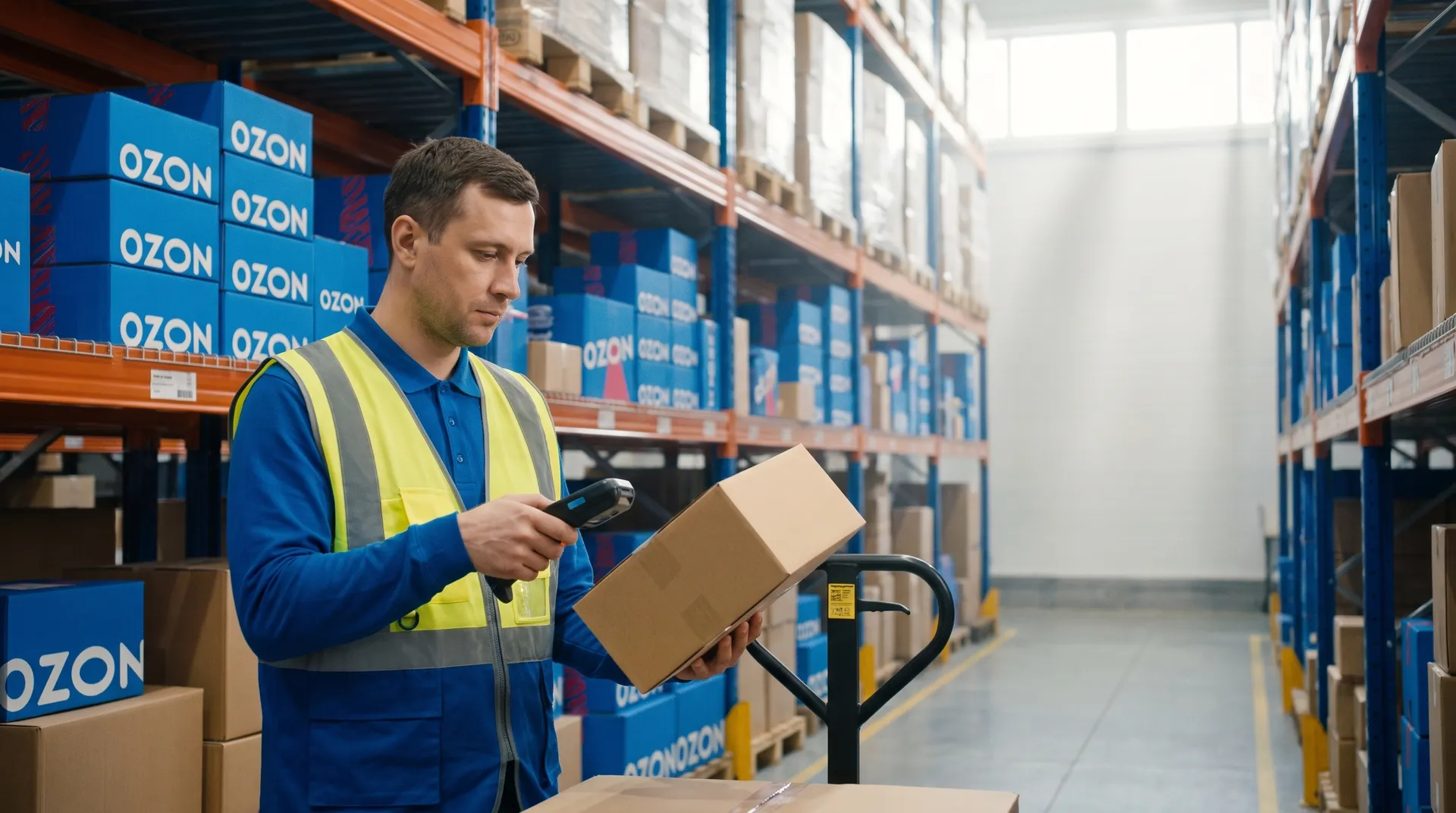
Starting from August 28, 2026, Ozon increases sales fees and logistics costs for most product categories. The average growth will be 5-6% and will affect all sales schemes. The platform informed the partners about the adjustment in advance, in compliance with the 45-day notification period under the Memorandum of Digital Platforms.
The changes hit products more expensive than 300 rubles the hardest. For shoes and sneakers, the commission will reach 50% for shipments from the Ozon warehouse under the FBO scheme and 55% for delivery by the seller under RealFBS. This follows from the Ozon Seller data.
The cheap segment has been reviewed before. For products costing up to 100 rubles, the commission increased from 14% to 20%, and in the range from 100 to 300 rubles — from 20% to 26%. Market participants note that such changes are most difficult for sellers of goods with a low unit cost, where each percentage point eats up a significant share of the margin.
The tariff schedule was adjusted during the summer. Since July 1, the site has reduced the number of price ranges from six to three, which is why some of the products automatically moved to the segment with a higher tariff without a formal increase in rates.
At the same time, Ozon introduces load-reducing measures. Since July 9, the extra charge for delivery to other regions has been canceled. Starting from September 1, FBO cross-docking will no longer charge fees for handling boxes and pallets upon shipment to the warehouse, while FBS will have lower rates for handling shipments and courier delivery.
The gap in dates is fundamental here: the increase begins on August 28, and the compensatory relief begins on September 1. For several days in August, sellers will work at the new tariffs without counter discounts.
Sellers should recalculate the marginality for each category separately, rather than by the average percentage: the spread between the categories is significant, and shoes and clothing will suffer significantly more than electronics. For those who work on RealFBS with goods more expensive than 300 rubles, it makes sense to compare the economy with the transition to FBO — the difference in commission of five percentage points can cover the cost of storage in the warehouse of the site.