The Ministry of Industry and Trade will increase the financing of the program for the development of new international logistics routes

In 2026, Russia intends to significantly increase the amount of financing for the “roll-out” of new international logistics routes. This was announced by Russian Minister of Industry and Trade Anton Alikhanov at the Russian Industrialist forum.
According to the minister, we are talking about the development of priority transport routes for exports and imports, which will allow Russian companies to strengthen their positions in the markets of Latin America, Africa and other regions.
"We plan to expand the geography of logistics routes and support domestic carriers. This is important not only for exports, but also for the organization of reverse loading and import to Russia," Alikhanov stressed.
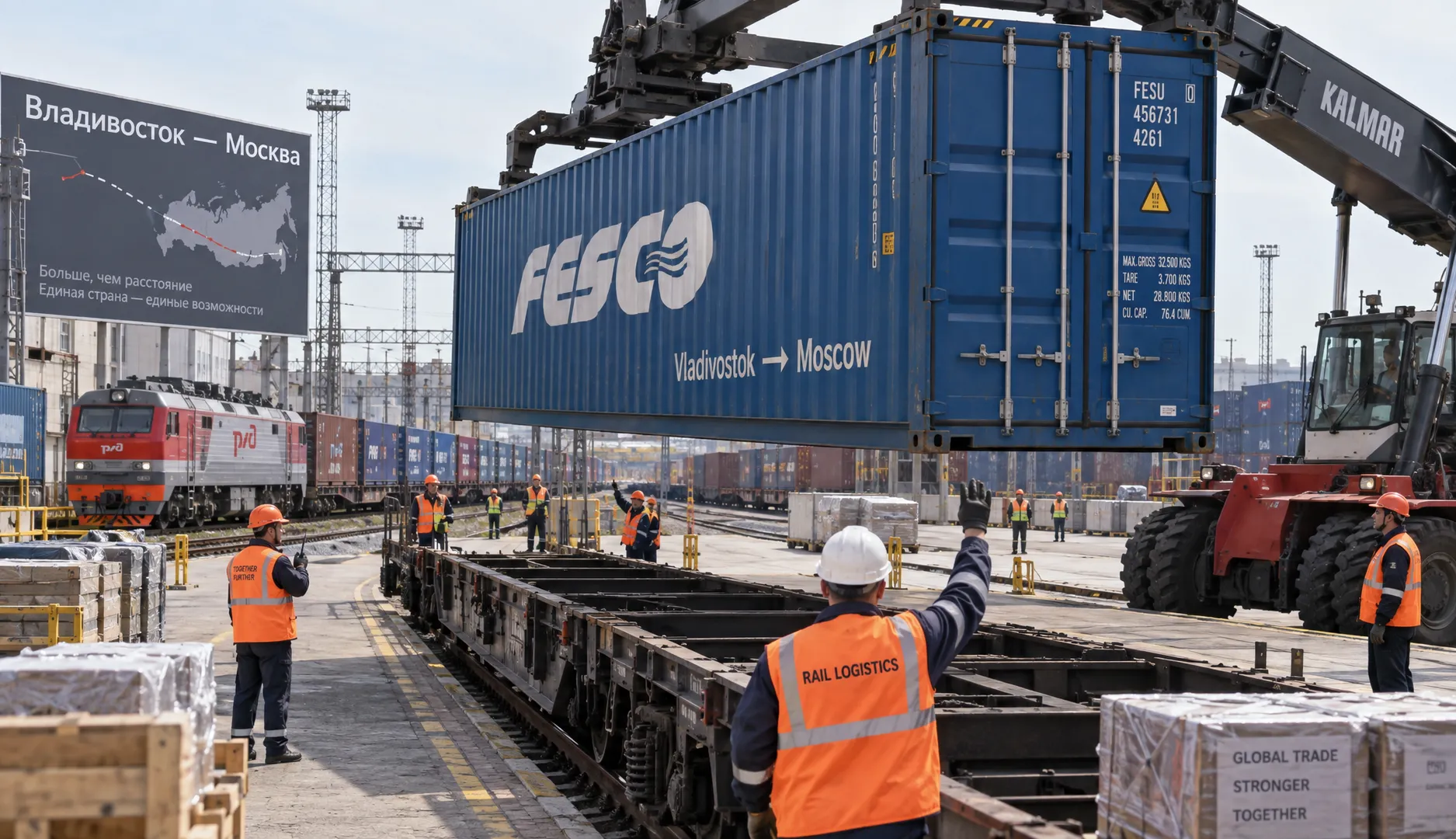
This year, 1.2 billion rubles have been allocated to finance export subsidies for logistics companies. These funds are used for state support of transportation along international transport corridors that connect Russia with the countries of Nicaragua, Senegal, Brazil, Cuba, South Africa and Tanzania.
The Minister noted that the implementation of such programs will make it possible to create a stable system of foreign trade relations capable of adapting to changes in global logistics and demand. In the future, this will enable Russian exporters to reduce costs, shorten delivery times, and increase product competitiveness.
Alikhanov also stressed that a number of large Russian companies are already investing in infrastructure projects on the African continent, which will allow developing not only exports, but also return shipments of goods to Russia.