





From the Great Tea Road to the Economic Corridor: why Russia, Mongolia and China are putting together a trade route again
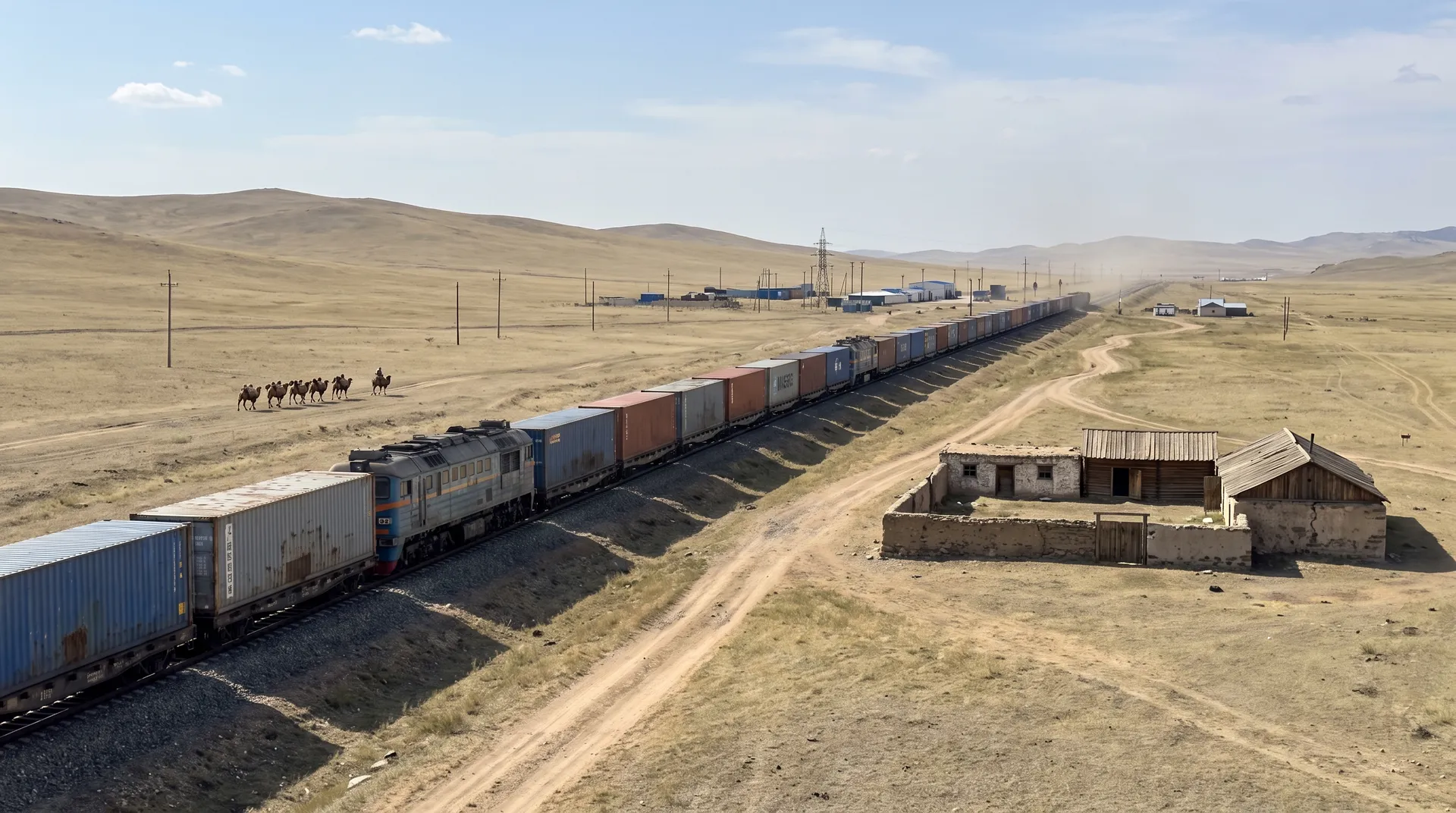
Today, instead of camel caravans, container trains, terminals and free zones are being discussed. However, the main economic task remained: to safely transport goods over a long distance, different legal systems, languages and business cultures.
The trade axis predated modern borders
In 2025, Mongolia included its section of the Great Tea Road in the UNESCO World Heritage Tentative List. The route operated from the 17th to the beginning of the 20th century and connected Chinese trade centers with Mongolia, Kyakhta, Ulan-Ude, Irkutsk and further with central Russia and Europe.
The Mongolian section was about 1,150 kilometers long. The researchers identify 21 transport stations where caravans received water, rest, shelter and the opportunity to replace animals. The entire system of the Great Tea Road stretched for about 13,000 kilometers and influenced the development of more than 200 cities.
A paired trading system has developed on the northern border: the Russian Yacht and the opposite trading town of Maimaa, whose territory today belongs to Altanbulag. There were goods, intermediaries, translators, credit, warehouse and border control.
Tea was the main commodity, and trust was the main asset.
Along with tea, fabrics, metals, furs, leather, handicrafts, knowledge and technology traveled along the route. The cities along the route lived by servicing trade: storage, security, translation, financing, transportation, and quality control.
A historical lesson. A trade corridor is never just a line on a map. Its value is created by services and institutions that reduce the risk between unfamiliar participants in the transaction.
The merchant needed to understand more than one price. He had to know who he could trust, how to confirm the intermediary's authority, where to store the cargo, who was responsible for losses, and how to account for long-term capital turnover.
The railway has changed the speed, but not the function of the route
In the 20th century, the caravan infrastructure was replaced by the railway. The Ulaanbaatar Railway was established in 1949 as a joint venture between the USSR and the Mongolian People's Republic with equal shares. The central line connected the Russian railway network with Ulaanbaatar and the Chinese border.
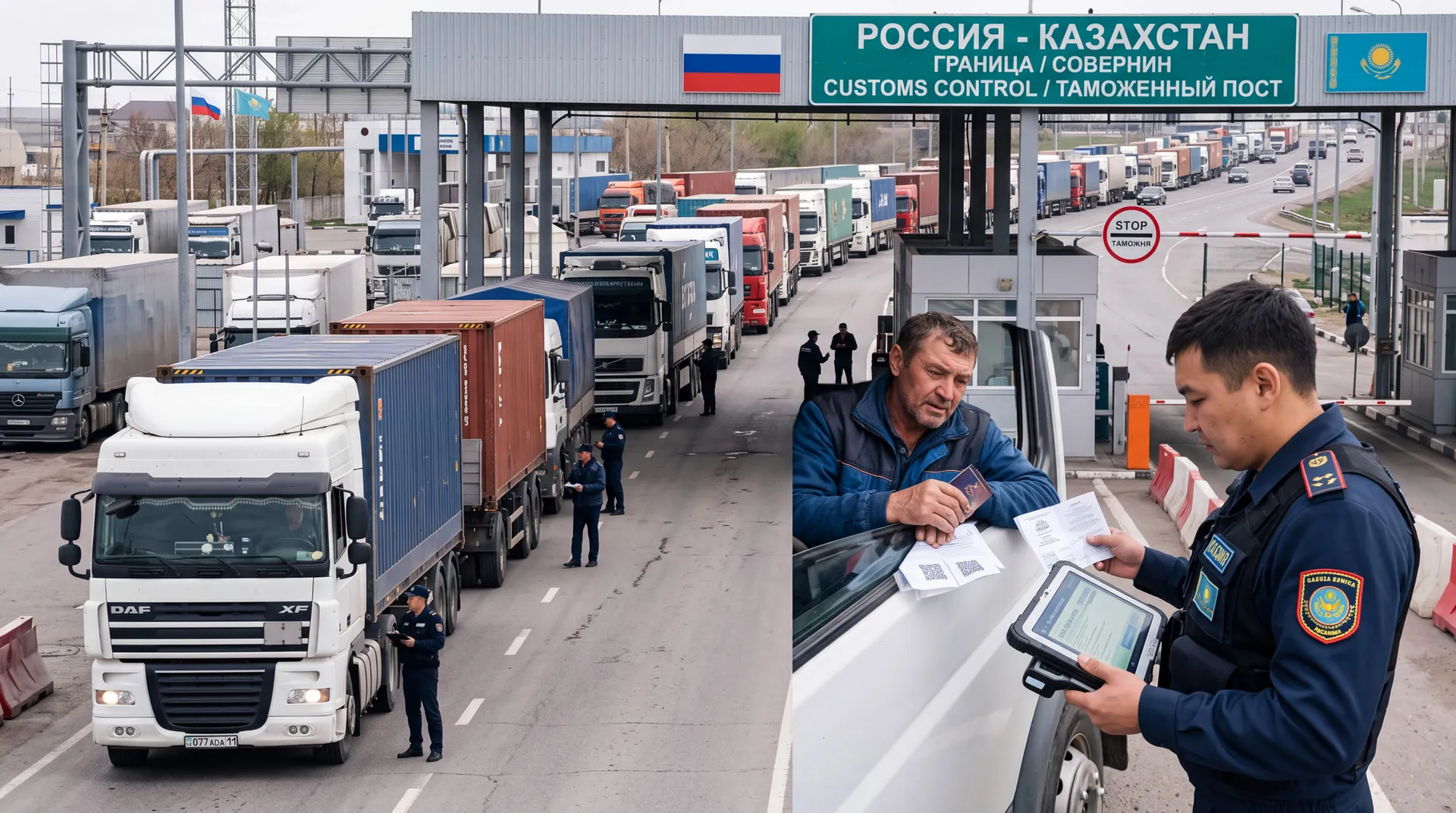
In the 21st century, the same axis became the basis of the Russia—Mongolia—China Economic Corridor. In 2026, the parties continued preparations for the modernization of the central line. Locomotives, terminals, and information systems are changing, but the geography remains the same: the northern entrance through Kyakhta and Altanbulag, the central hub in Ulaanbaatar, and the southern exit through Zamyn Road to China.
Why Ulan-Ude should not be excluded from the plot
The business week takes place in Ulaanbaatar, but Ulan-Ude and Buryatia are a natural Russian part of this story. The Great Tea Route passed through Ulan-Ude, and modern trade depends on transport and business ties between the border regions. For businesses, Buryatia can act as a point of consolidation, service and preparation of export supplies.
Free zones as modern trading stations
Altanbulag is located on the same northern axis where cross-border trade has existed for centuries. Zamyn Road serves the southern direction to China. Khushigiyn khundiy is formed next to the international airport. According to their economic logic, these zones are similar to the modern version of trading stations: a place for storage, processing, services and transition between customs regimes.
The difference is that geography alone is not enough today. The investor needs electricity, water, access roads, digital customs, clear land rights and a working mechanism for bringing goods to the final market.
What history tells the forum participants
- An intermediary is valuable not for his knowledge of the language itself, but for his ability to confirm the reputation and responsibility of the parties.
- The warehouse and terminal become a business only with a steady cargo flow and a clear customs regime.
- Border towns benefit when they retain some of the added value, rather than just letting the cargo through.
- Trust is created by repeatability: a pilot delivery, a fixed result, and a gradual increase in volume are more reliable than a general memorandum.
From the historical route to the digital network. In the past, trade was supported by a network of stations, translators, and merchant houses. Today, this function is performed by trusted experts, digital company profiles, logistics operators, and reputation verification systems. The Ulaanbaatar Forum may become a point where the old route will receive a new business infrastructure.