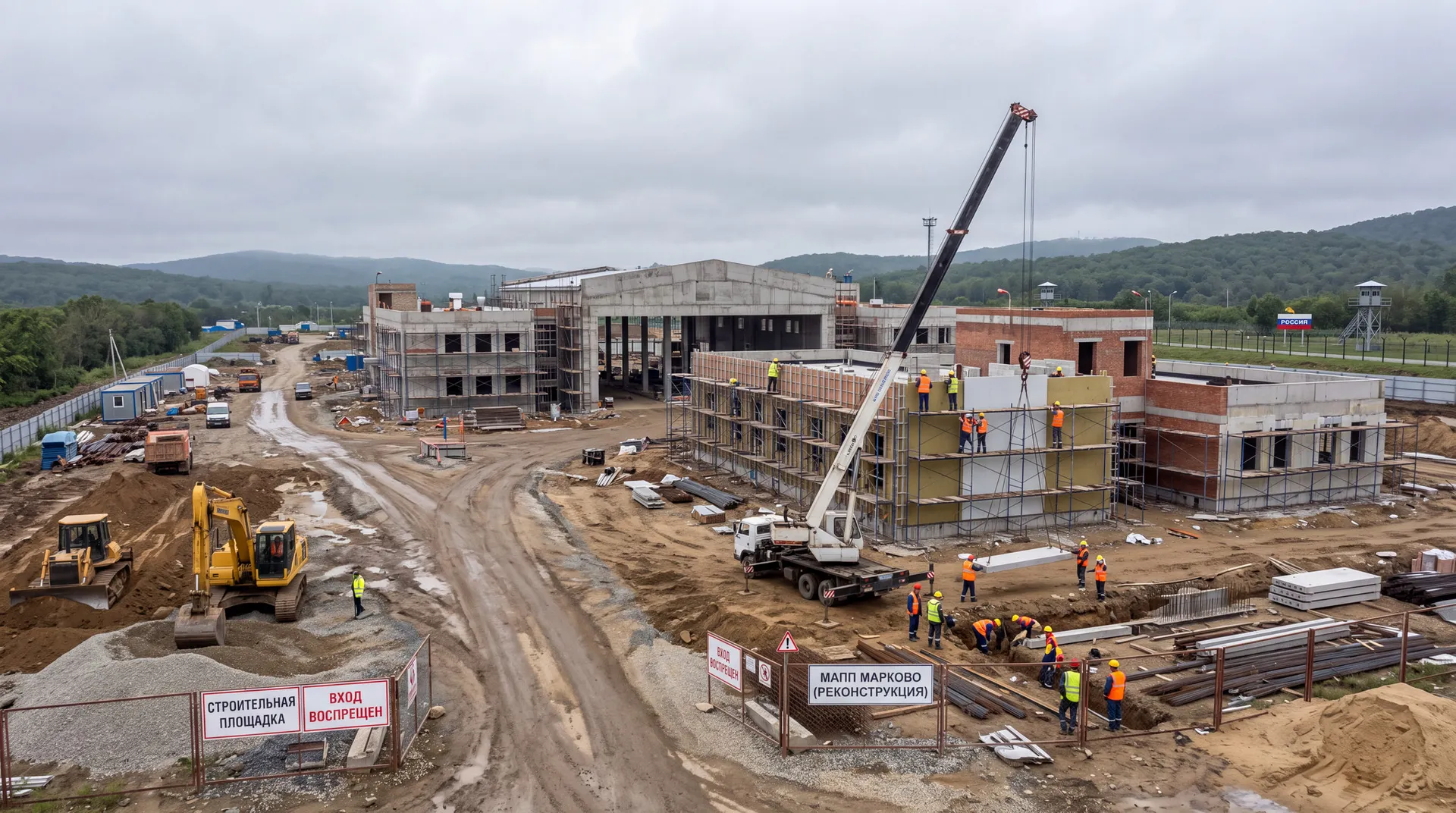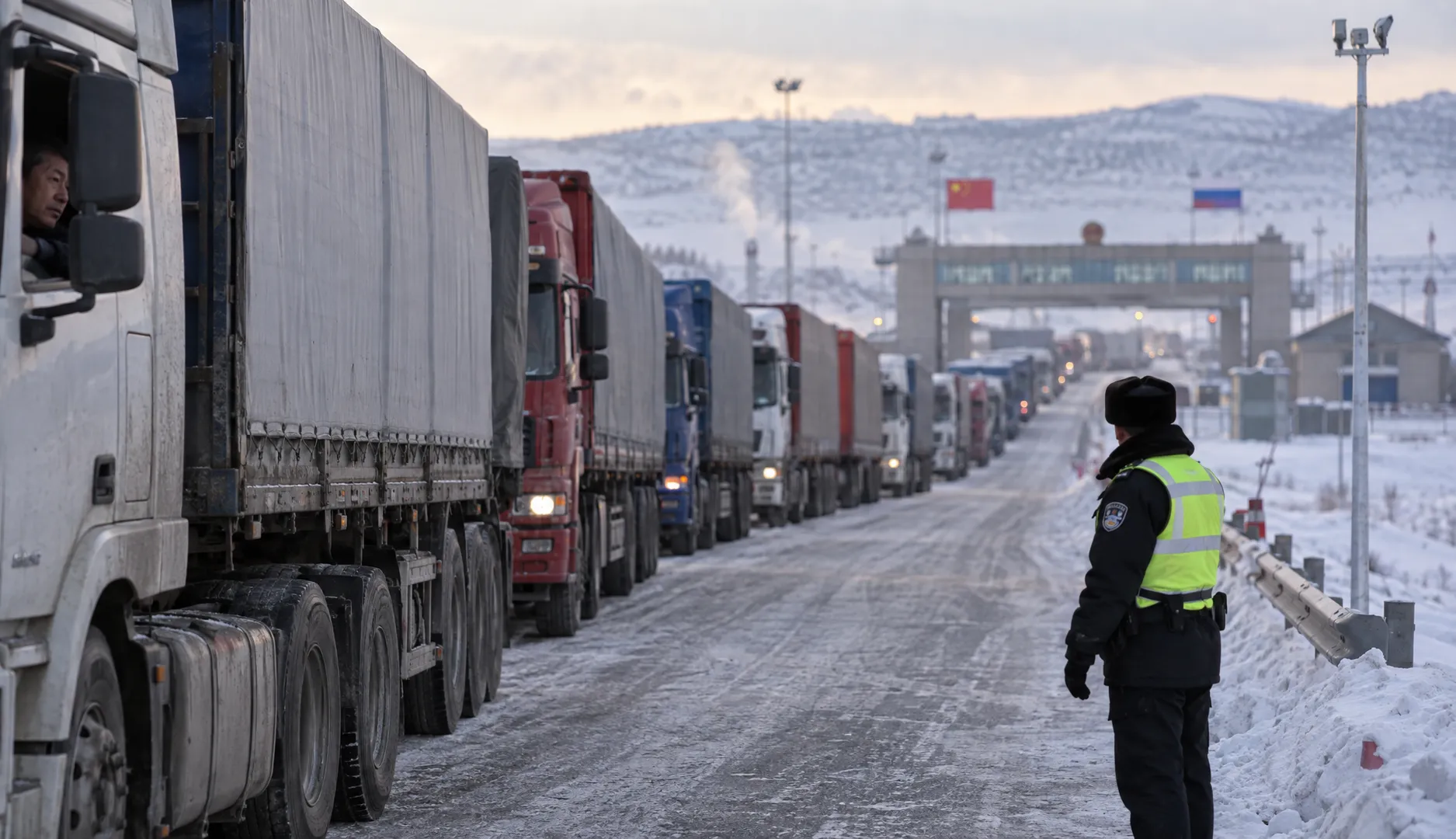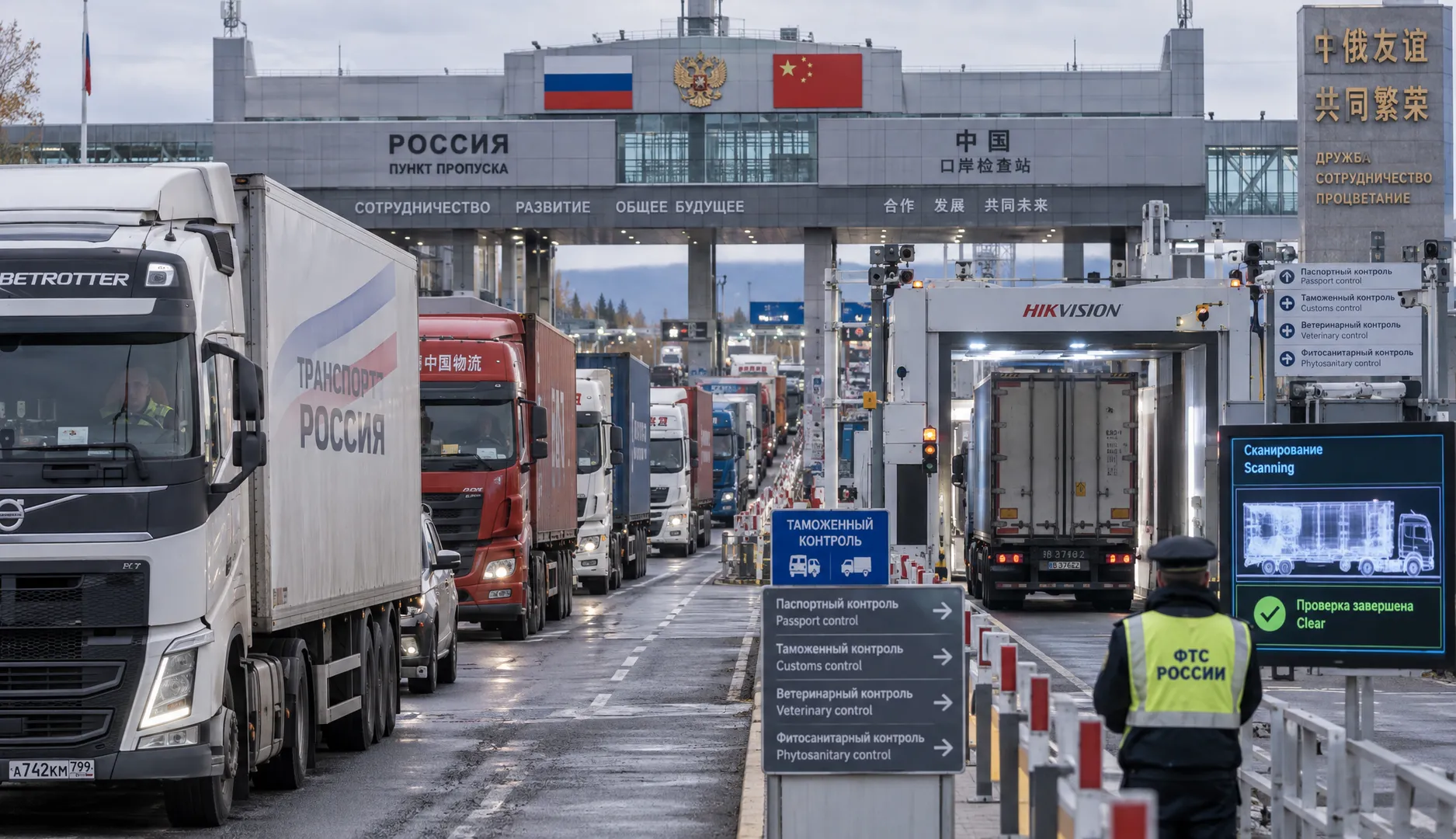
Reconstruction of the Zabaikalsk MAPP started in April 2026, after several postponements over the past five years. Prior to the start of work, the Chinese side serviced 1,500-2,000 vehicles per day, while the Russian side allowed only 300-400. It was this imbalance that caused the multi-kilometer traffic jams.
Some of the measures have already yielded results. In September 2023, Zabaikalsk became one of the first three crossings to launch an electronic queue for trucks. Before its introduction, the waiting time for entry into China was 3-5 days, after that — no more than a day.
"Before the introduction of the electronic queue, the waiting time for entry to China was from 3 to 5 days, now it is no more than a day. This decision made it possible to eliminate multi—kilometer queues at the entrances to the checkpoint," said Yaroslav Belousov, Director of International Transport Operations at FM Logistic in Russia.
However, the system was malfunctioning at the start. Carriers booked slots through bots and automated tools, but the vehicles did not physically arrive at the crossing. The number of waiting cars reached several thousand, and crossing the border stretched to 10 days or more.
"The failures were related both to the imperfection of the software at the initial stage, and to the way the carriers used the system. Some tried to circumvent the rules: they booked slots in advance, used automated tools and bots, but the cars themselves might not arrive at the checkpoint," explains Evgeny Berezin, Director of Strategic Development at RAILSHIP.
Technical re-equipment is underway in parallel. Portal inspection and inspection systems, which allow scanning the contents of a truck without stopping completely, have already been installed at 12 Russian checkpoints, including Zabaikalsk. By 2030, the inspection of cargo transport should take no more than 10 minutes at 55 automobile checkpoints, according to the instruction given by the President of the Russian Federation.
The experience of other transitions shows that one construction site is not enough. MAPP Verkhny Lars has doubled its capacity after reconstruction, however, in adverse weather conditions, the wait here still reaches 14 days — the mountain serpentine at the entrance is blocked by landslides and snowfall. At the Petukhovo crossing between Russia and Kazakhstan, cars are queuing right on the side of the road due to the lack of proper parking infrastructure.
"Even a modern border crossing will not be able to work effectively if it is accessed by a low—quality road with limited capacity," says Evgeny Berezin.
A separate problem is the personnel imbalance. The different number of employees at the adjacent crossings of Russia and Kazakhstan leads to a congestion of vehicles on neutral territory: one side works faster, the other becomes a bottleneck.
Experts see a long-term solution in the synchronization of document flow between countries and the integration of information systems of customs, Rosselkhoznadzor and Rospotrebnadzor on the principle of a single window. The CIS countries are named the first priority, and the Chinese direction is the next. The speed and predictability of cargo crossing the border remains the main criterion for whether the modernization will be real and not paper-based.
Related news:
- MAPP Bugristoe received scanners for inspection without stopping trucks — how portal complexes reduce the time of inspection
- Mashtakovo checkpoint to be expanded from 10 to 36 lanes by 2028 — Mashtakovo CHECKPOINT reconstruction: 36 lanes by 2028
- Pogranichny and Kraskino increased their capacity by 9 times — as modernization increased the capacity of Pogranichny and Kraskino
- Kraskino MAPP after reconstruction: the capacity has tripled — the experience of reconstruction of Kraskino MAPP
- How to transport goods from China now: an honest analysis of price and speed — delivery options from China by price and time