


The refund rates under the scheme range from 0.3% to 3.9% of the export value of the goods, depending on the input taxes paid. The scheme is especially important for small and medium-sized businesses: it is MSME exporters who call RoDTEP one of the main tools for maintaining price competitiveness in foreign markets.
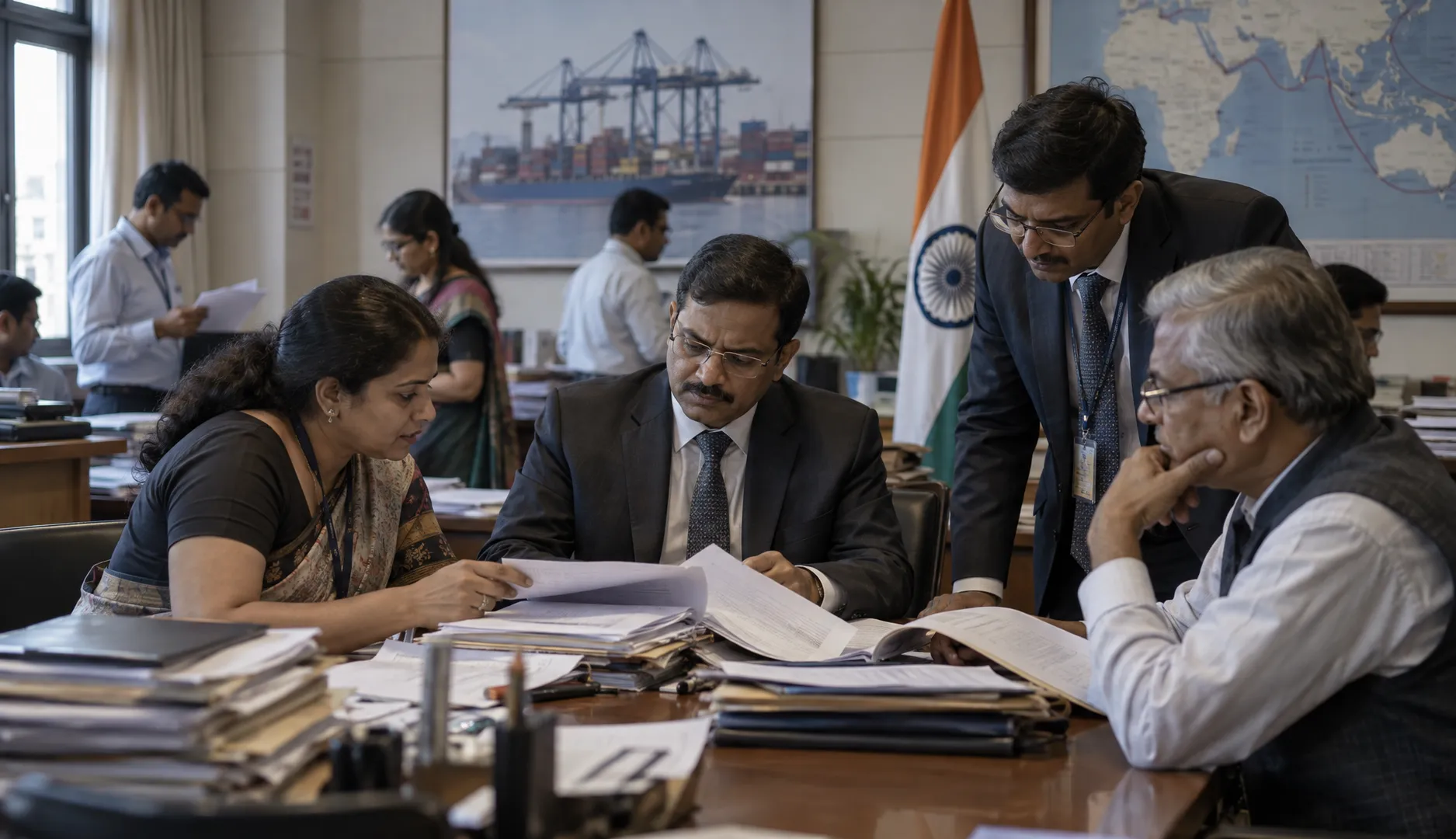
The Indian Ministry of Commerce is negotiating with the Ministry of Expenditure for a five-year extension of the scheme. An official close to the talks described the outlook as positive.:
"Based on last year's expenses... we are already negotiating with the Ministry of Expenditures on this structure, and I am sure that the government is considering it, and we will ensure predictability."
The last extension was issued on April 1, 2026, for just six months, until September 30. The budget for the scheme in the fiscal year 2026-2027 amounted to 100 billion rupees, compared with 182.32 billion rupees in the previous year. The reduction of financing by almost half while maintaining export volumes means that some exporters are already facing return delays or incomplete coverage.
At the same time, the Ministry of Commerce is finalizing the rules of the Export Promotion Mission (EPM) with a total budget of 250.6 billion rupees for six fiscal years. The mission was approved by the government in November 2025 and includes two subprograms: Niryat Protsahan with funding of 104.01 billion rupees and Niryat Disha — 146.59 billion rupees. Changes to the rules and the composition of EPM components are made based on feedback from exporters.
For companies purchasing goods from Indian manufacturers or building supply chains through India, the five-year horizon of the RoDTEP has a direct impact on contract pricing: a supplier with a guaranteed tax refund is able to fix a more stable export price. Negotiations with the Ministry of Expenditure are ongoing; a final decision on the extension and new budget of the scheme is expected before the end of September 2026.
Related news: