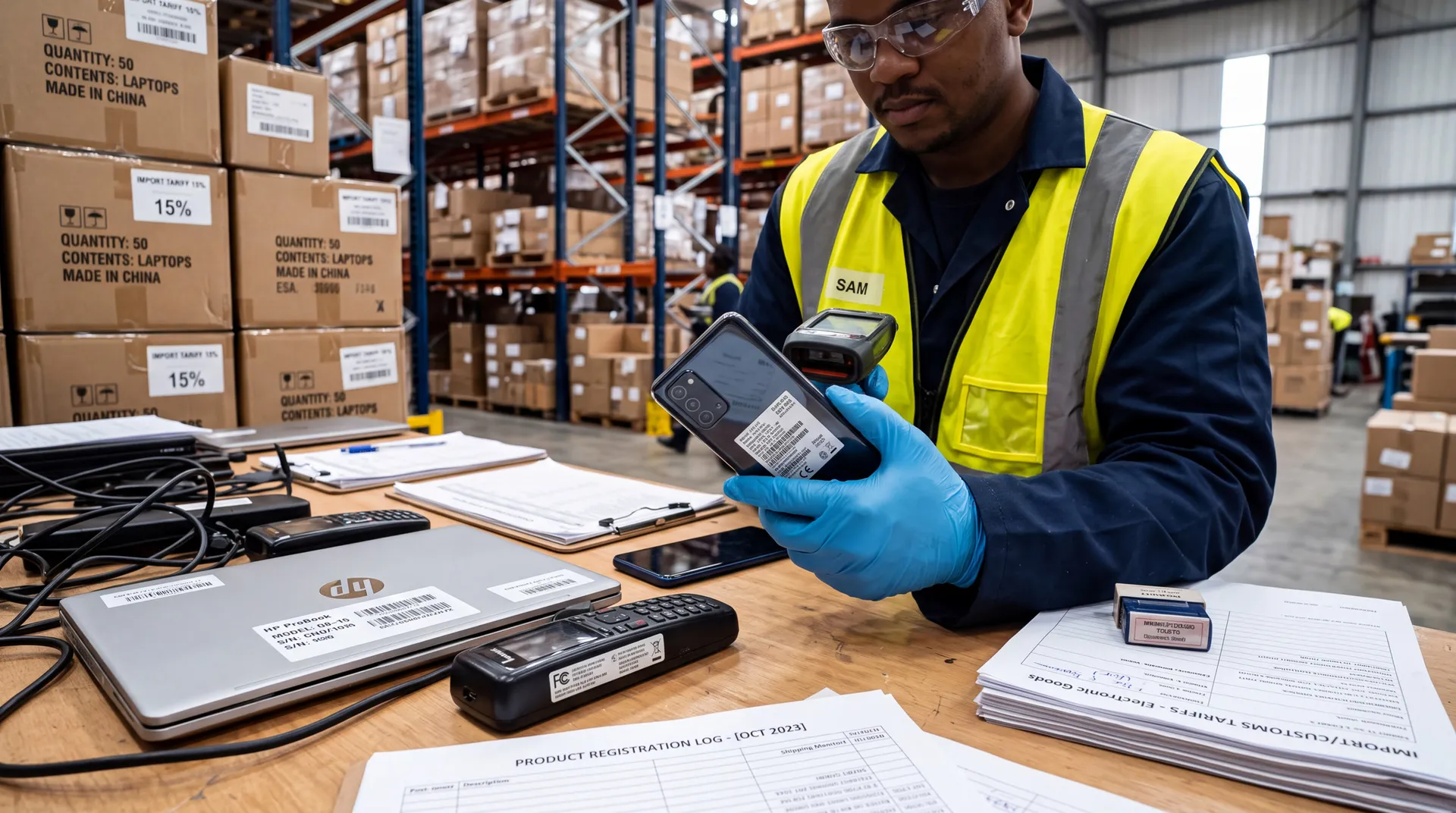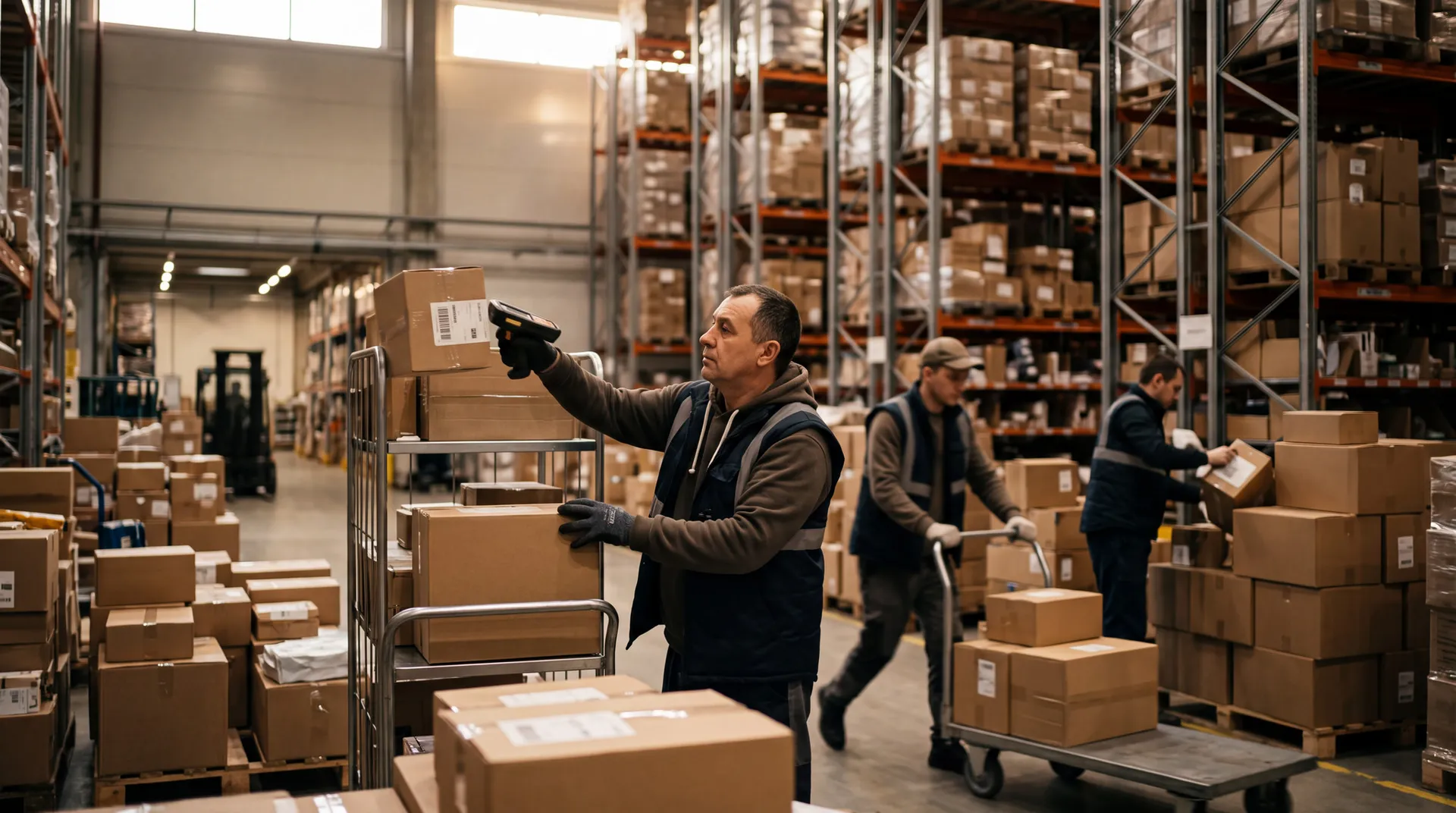
Proper organization of customs clearance is one of the key stages of successful import. Even a minor mistake can lead to long delays, additional costs, and fines. To avoid this, it is important to understand the sequence of actions and typical pitfalls.
The process begins long before the cargo arrives. It is necessary to determine the HS code, prepare a set of commercial documents, check the labeling requirements and calculate customs duties. In practice, this means preparing contracts, invoices, packing lists, technical descriptions, permits, transport and insurance documents. Any inaccuracy in these documents may cause the registration to be suspended.
When the cargo reaches the SVH (temporary storage warehouse), a declaration of goods (DT) is submitted. Customs conducts registration and verification, and if in doubt, initiates additional control: from examinations to a request for clarification. According to the law, in a standard situation, the declaration is issued in one day, but during verification this period may increase to 10 working days.
Frequent reasons for delays are errors in HS codes, insufficient amount for ELS, discrepancies in documents and incomplete response to customs requests. You should pay special attention to additional checks: it is important to respond immediately, with a complete set of documents, explaining each point.
To reduce risks, logisticians recommend conducting an audit of documentation in advance, working with professional customs representatives, monitoring the correctness of classifications and paying duties on time. Responsiveness to requests is also critical — the faster the data is provided, the less likely the product will stop.
According to Kirill Zuev, Director of Logistics at Parus, customs clearance is not just a bureaucratic stage, but a strategically important element on which the reliability of the entire supply chain depends. With the right approach, it becomes predictable and does not cause unexpected failures.