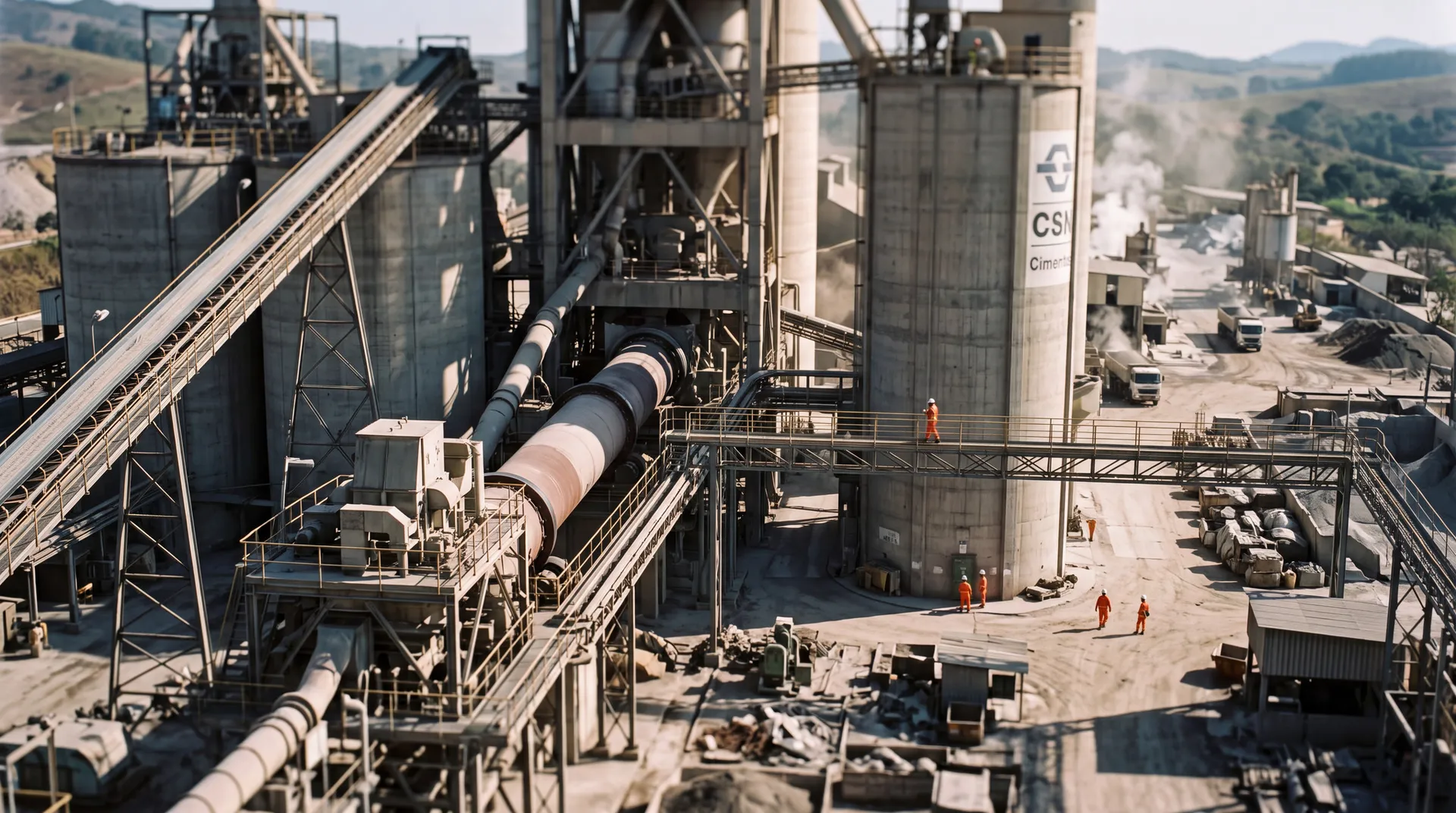
One of the most notable completed transactions is the acquisition by Chinese investors of a controlling stake in CSN Cimentos. As a result, the second largest cement producer in Brazil was created after Votorantim.
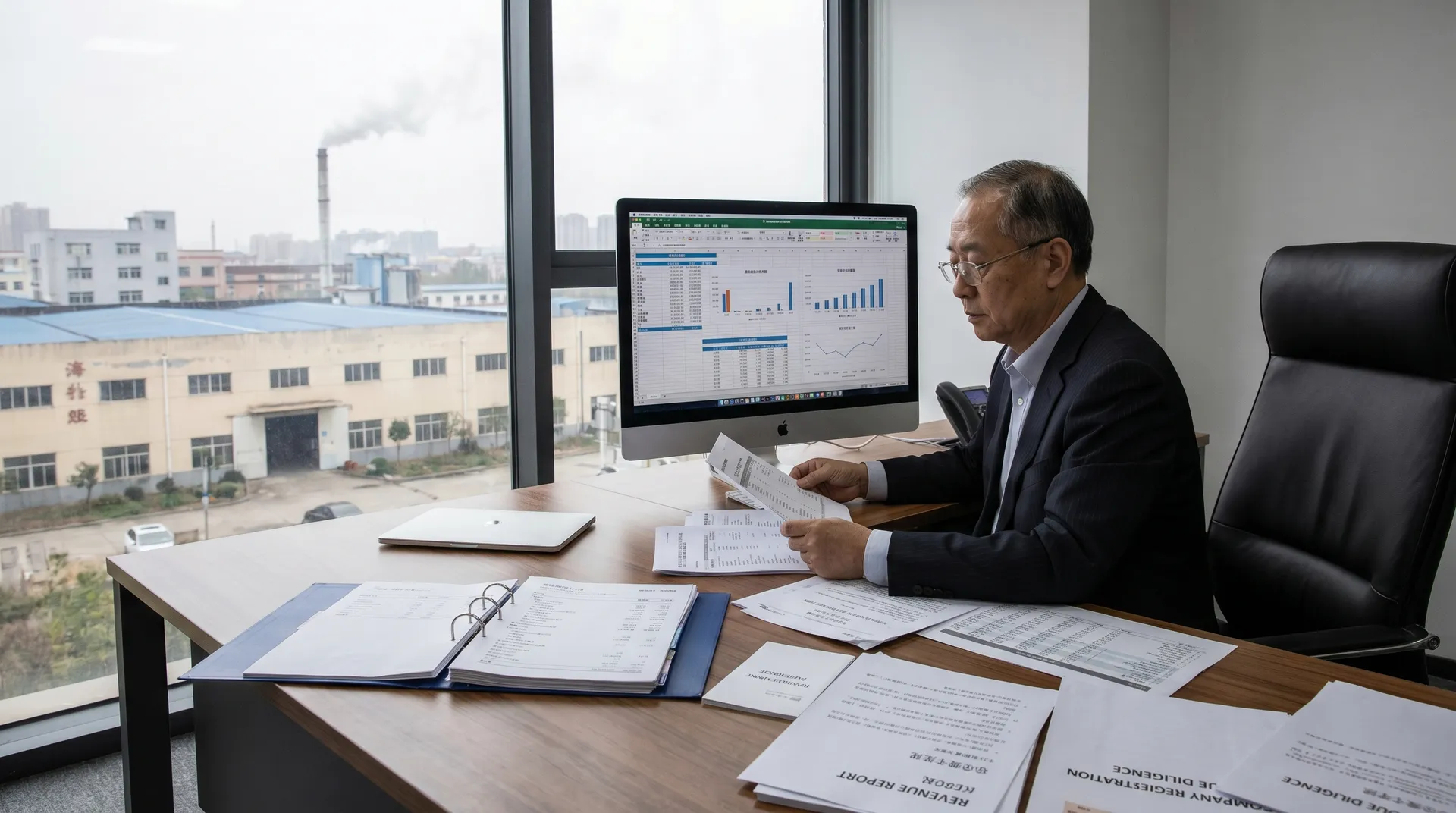
Andre Moore, head of investment banking at Bradesco BBI, described the approach of Chinese buyers as disciplined: they carry out a detailed assessment of the value of assets, carefully analyze financial risks and focus on long-term profitability, rather than willingness to pay a premium for the sake of strategic control. The Bank does not regard the expansion of the Chinese presence as a systemic threat, noting that Chinese companies compete with local and international players within the framework of current market conditions.
The priority sectors for foreign capital are infrastructure, energy, water supply and oil. Interest is focused on the so-called "trophy assets": companies with stable operating performance, low debt burden and predictable cash flows. Such assets appear on the market when large corporate groups restructure or sell non-core units to reduce debt. An illustrative example is Cosan, which sells a number of assets in order to improve its financial situation.
Brazil attracts investors not only by the quality of individual companies, but also by the country's geopolitical position. Bradesco BBI is holding an investor conference in New York, which is expected to attract a record number of 250 participants.
The Brazilian stock market remains under pressure from uncertainty in fiscal policy and the trajectory of the key Selic rate. Bradesco BBI predicts its reduction by one percentage point in 2027, to 12.75% per annum. The market consensus suggests a more conservative scenario.: The rate will remain at 13.75%. If the rate drops more than the market expects, the bank predicts about 10 secondary share placements on the B3 stock exchange in 2027, with the potential to double under favorable conditions.
For companies trading with Brazil, the increased Chinese presence in the cement, energy and oil industries means a change in the ownership structure of a number of large counterparties. This will entail a review of supply chains, contract terms and compliance procedures, especially for those who work with Brazilian suppliers in sectors where deals with Chinese buyers have already been closed or are being prepared.
Related news:
- Mercado Bitcoin has Applied for a Cryptobroker License in Brazil — How Brazil's Crypto Exchange Market Is Regulated
- Banco XP has joined the Swift payments scheme: transfers in a minute — how Brazilian banks speed up international payments
- Split payment in Brazil will start working in 2027 voluntarily and only for B2B — new tax payment procedure in Brazil starting in 2027
- China's foreign trade grew by 31.2% in October 2026 — China's foreign trade data for October
- Siscomex: how does Brazil's foreign trade system work and what is important for international carriers — how does Brazil's Siscomex foreign trade system work?