China had a strong first quarter of 2026, with trade showing its best quarterly growth in five years. April broke this dynamic. The National Bureau of Statistics of the People's Republic of China has published data that disappointed the markets: investments are falling, consumption is not recovering, and the export buffer is beginning to run out.
What the numbers say
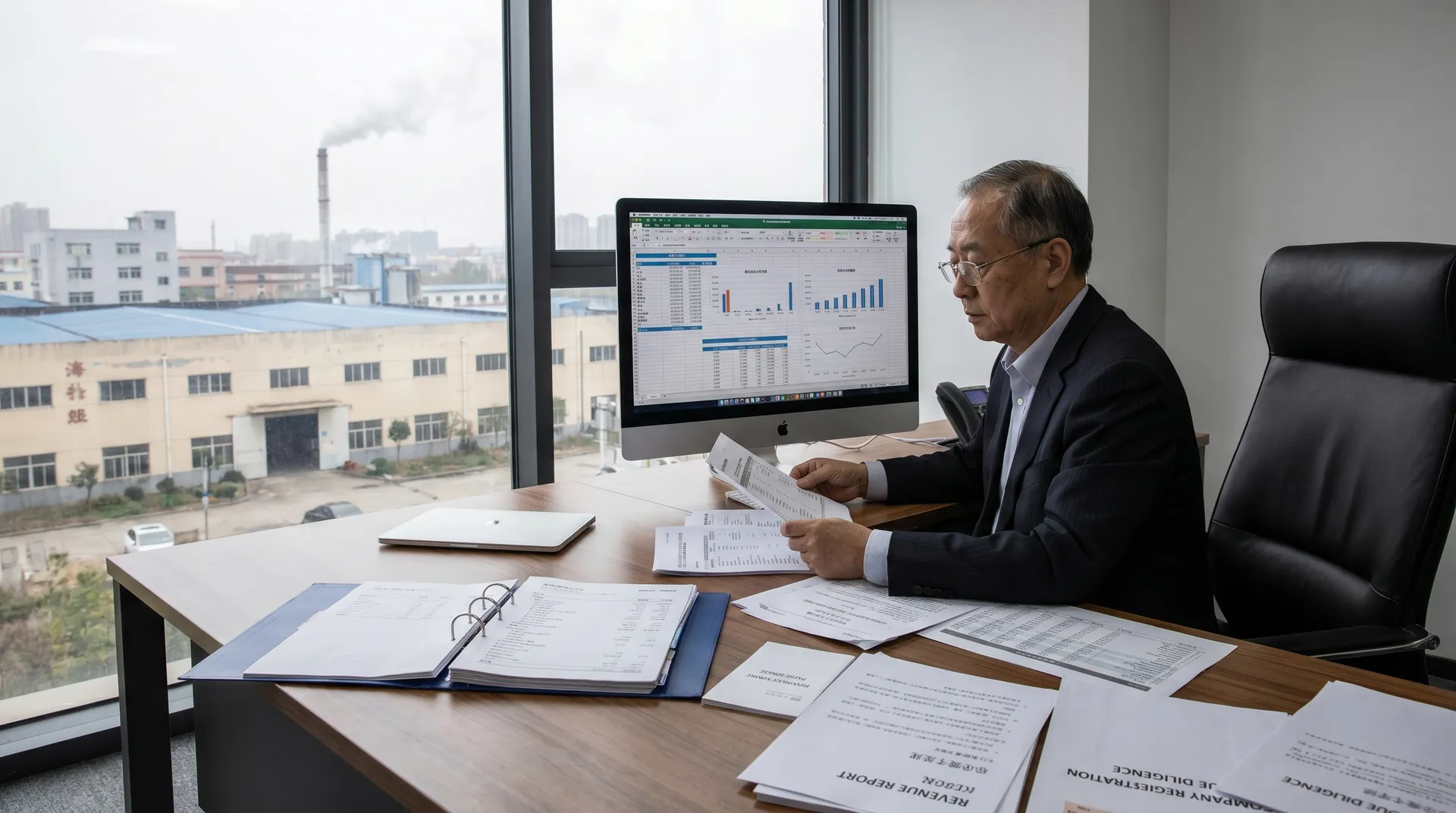
Investments in fixed assets in January–April 2026: minus 1.6% year-on-year. This is a reversal after the growth in the first quarter. Retail sales: a slowdown in the growth rate. Industrial production: below analysts' forecasts.
According to Goldman Sachs and Capital Economics, the Chinese economy is losing momentum in all major sectors at the same time. The growth in exports, which supported statistics in the first months of the year against the background of the trade truce with the United States, now does not cover the drop in domestic demand.
Why are investments falling
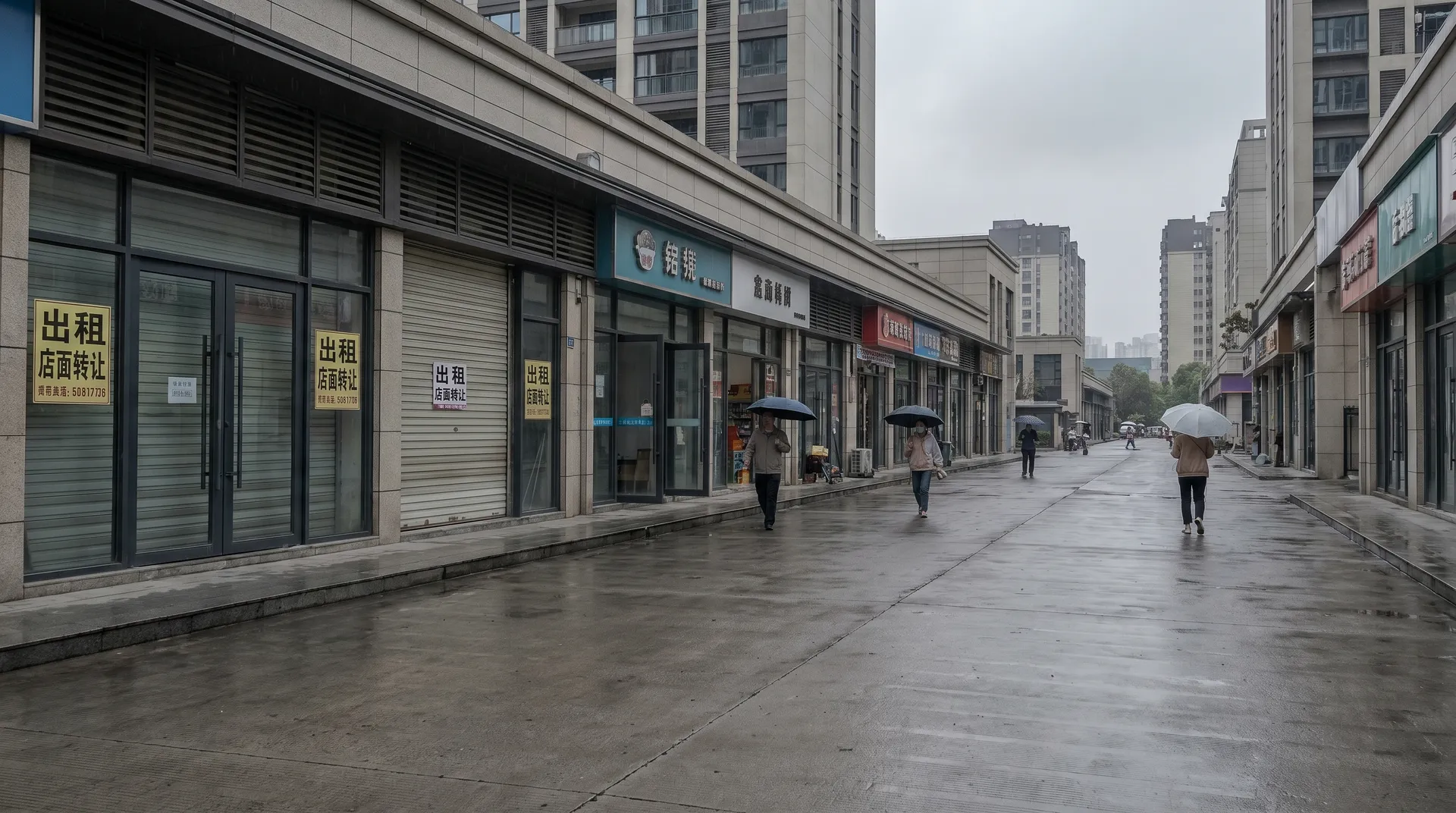
Several factors act simultaneously. The crisis in the real estate market continues: the volume of investments in housing construction has remained negative for the third year. Private businesses are in no hurry to expand amid uncertainty over US trade policy — duties are frozen until October, but no one knows what will happen next. Weak consumer demand reduces incentives for productive investment.
What happens to the export
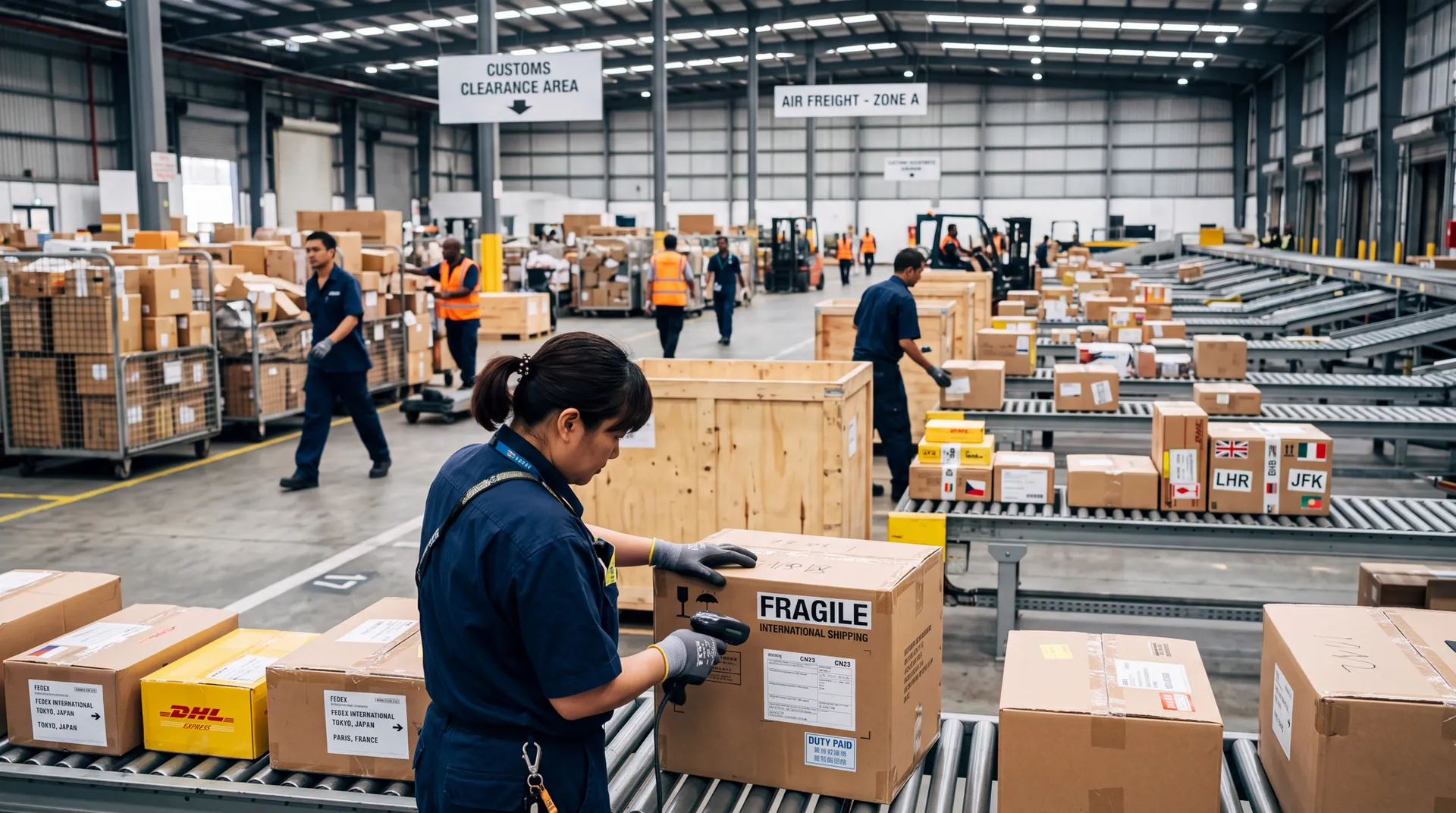
Exports remain relatively strong, with manufacturers actively working on the markets of Southeast Asia, the Middle East, and Russia. But 145% duties on the American direction, albeit frozen, have narrowed one of the largest sales channels. Diversification takes time and does not compensate for the one-to-one American market.
What does this mean for those who work with China?
Weak domestic demand in China means that manufacturers are looking even more aggressively at export markets. Russia is one of the key destinations. This creates steady price pressure in favor of the buyer: when it is difficult to sell houses, it is easier to negotiate with a Russian customer.
At the same time, a slowdown in investment is a signal of a future slowdown in production capacity. If the trend continues in the third–fourth quarter, some Chinese suppliers will begin to reduce production, which will create a shortage in some categories towards the end of the year. Companies planning large purchases for the second half of the year should consider earlier order placements.
Forecasts
Goldman Sachs and Capital Economics expect the Chinese government to respond to the weak statistics with stimulus measures, such as lower interest rates and expanded lending. The scale of the incentives is still unclear, but there are precedents: in 2023-2024, Beijing issued several support packages with a slowdown in growth.