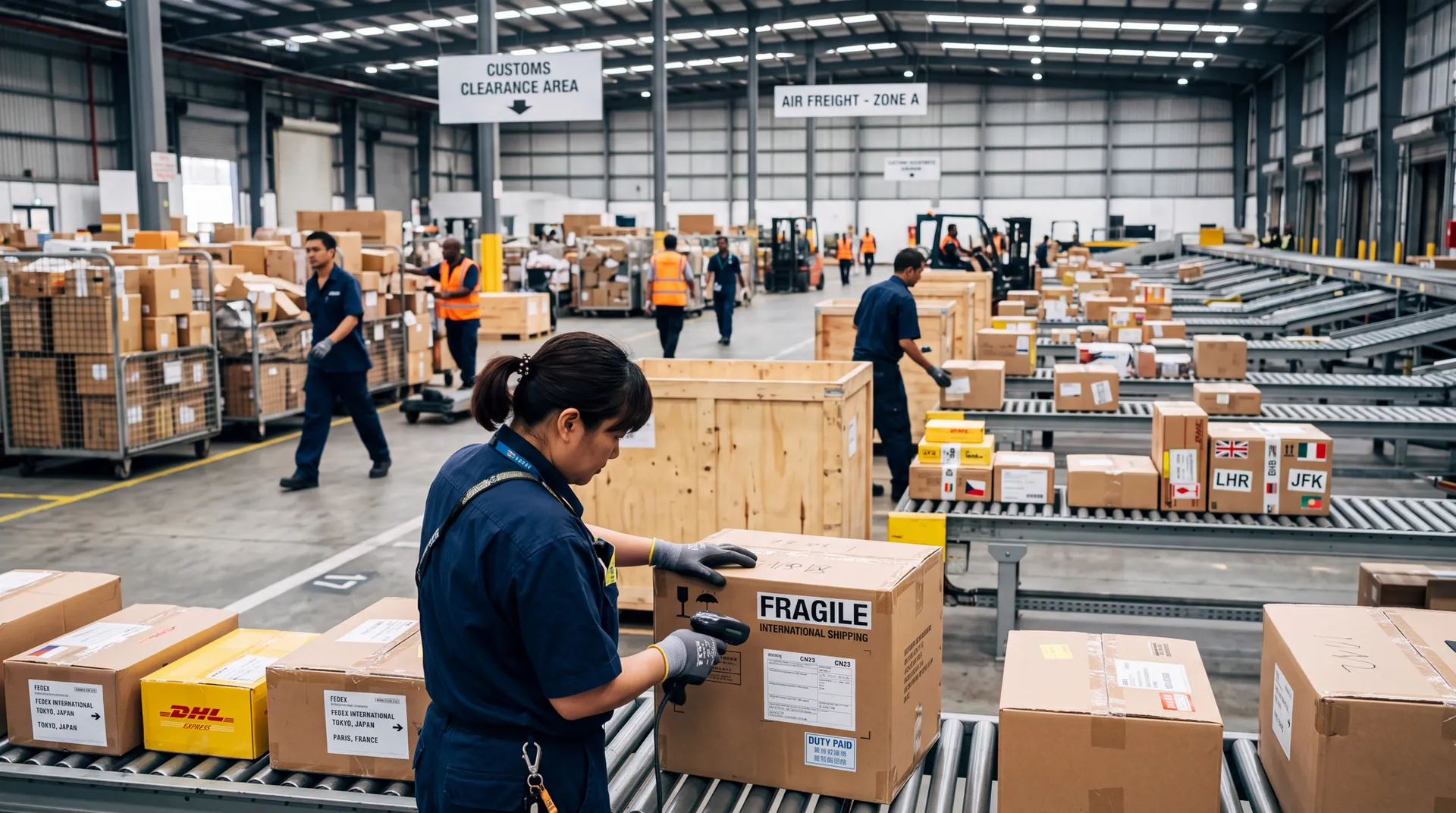
An advance payment upon importation of goods is money that the company deposits into the customs account before the cargo is released. In fact, it is an interest-free loan to the state at the expense of business working capital. Starting from June 1, some market participants will be exempt from this requirement.
Who gets on the list
According to the head of the Federal Tax Service, the following will receive the right to import without advance payment: — the largest taxpayers (companies with tax payments above the established threshold) — participants in tax monitoring (voluntary mode of extended interaction with the Federal Tax Service) — marketplaces — authorized economic operators (AEO)
The Federal Tax Service plans to expand the "white list" — specific criteria for inclusion in the expanded registry have not yet been published.
What changes in practice
The usual scheme is that a company imports a shipment of goods, and before issuing a declaration, it makes an advance payment that covers the estimated customs duties and VAT. After release — reconciliation, possible return of the surplus. The money is "frozen" for a period of several days to several weeks.
For a company with regular supplies and large volumes, this is a constant burden on working capital. With a loan rate above 20%, the value of this frozen money is quite tangible.
Starting from June 1, the scheme changes for the participants of the list: the product is released without advance payment. Payment is made upon release, on time. This is an analogue of a commodity loan from the state.
Context: The SPOT system
The change is taking place in parallel with the introduction of the SPOT system — mandatory digital advance notification of expected delivery with advance payment of indirect taxes. On the contrary, the workload for companies outside the "white list" is growing. For those inside— it's declining.
This is another incentive for businesses to invest in obtaining AEO status or entering the tax monitoring regime.
A detailed analysis of the SPOTS was compiled by our expert here.
Who will be the winner
Marketplaces with a high frequency of deliveries receive a significant working capital offload. Major importers of industrial equipment and consumer goods do the same. Medium-sized businesses that were not included in the list are still in the same mode, but the expansion of the registry is promised.