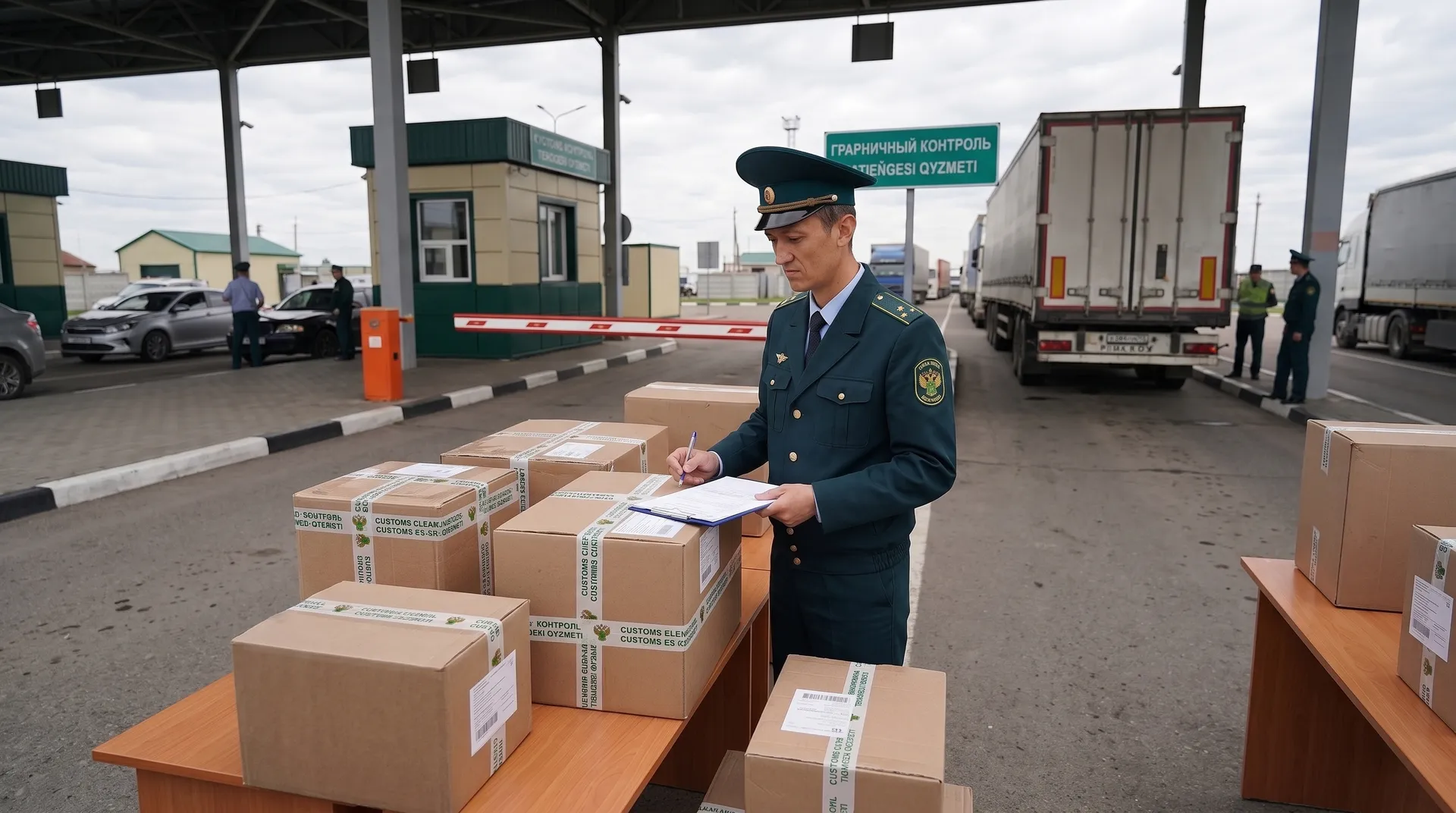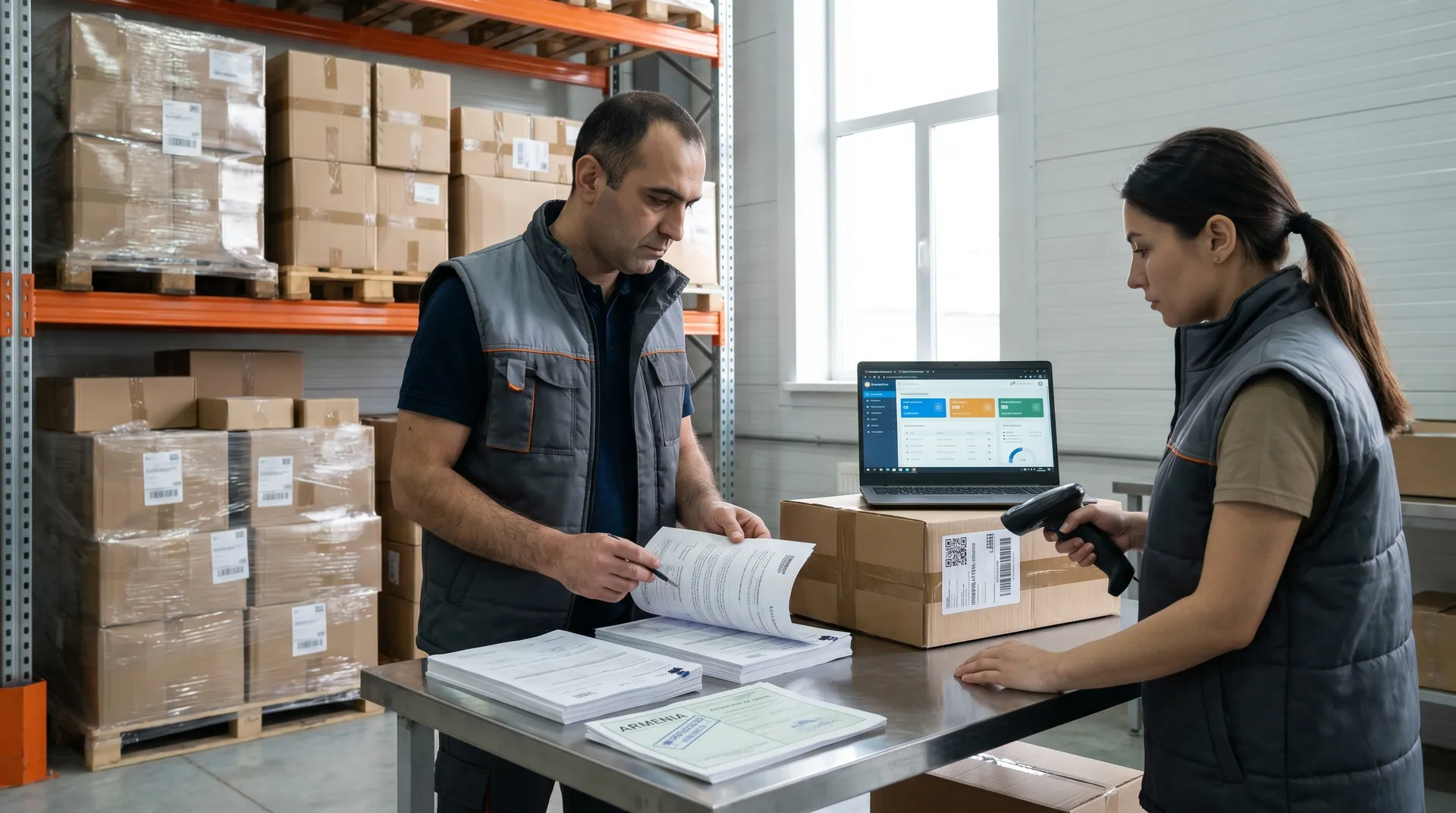
Since May 12, 2026, Wildberries has introduced new requirements for sellers from Armenia. Sellers are now required to document the origin of the goods. The platform is strengthening control over supplies within the EAEU amid growing claims to parallel import and re-export schemes.
The changes affect sellers who use the Armenian jurisdiction to operate in the Russian market. The marketplace requires you to provide documents confirming the country of origin of the products. Without this, the placement and further sale of goods may be restricted.
The market has been waiting for such a move for several months. After strengthening control over labeling, origin of goods and supply chains through the EAEU, large sites began to rebuild internal compliance. Armenia remained one of the most popular destinations for business registration and supply management, especially in the categories of electronics, clothing, cosmetics and consumer goods.
Wildberries actually transfers part of the customs and commodity control inside the marketplace. The site is increasingly checking the origin of products even before the goods enter circulation. For sellers, this means increased requirements for documentation, supply chain, and procurement transparency.
The new rules will hit companies that used mixed supply chains without full confirmation of the origin of the goods the hardest. Previously, some sellers worked through a simplified model within the EAEU, where attention to the country of origin of products was lower. Now this model is rapidly losing its stability.
The situation looks calmer for bona fide suppliers. Companies with official imports, contracts, and clear logistics will be able to pass the inspection without major process changes. The main pressure will be on gray chains and intermediaries who cannot confirm the origin of the party.
The changes are related to the general strengthening of control in the e-commerce market. The government is tightening requirements on labeling, taxes, and the origin of goods, and marketplaces are gradually becoming part of this control system. The platforms are no longer limited to the role of a showcase for sellers and are increasingly taking over the functions of checking supplies.
For the Russian market, this means further reducing the space for opaque imports. Trade through the EAEU countries remains a working tool, but the requirements for documents and the origin of goods are becoming much stricter.