Mercado Livre has finally established itself as the largest marketplace in Latin America. By the end of the quarter, the GMV platform's volume reached $26 billion, with year-on-year growth of 28%. The company is strengthening its dominance in Brazil, the region's largest e—commerce market, and is gradually displacing foreign players from the mass online shopping segment.
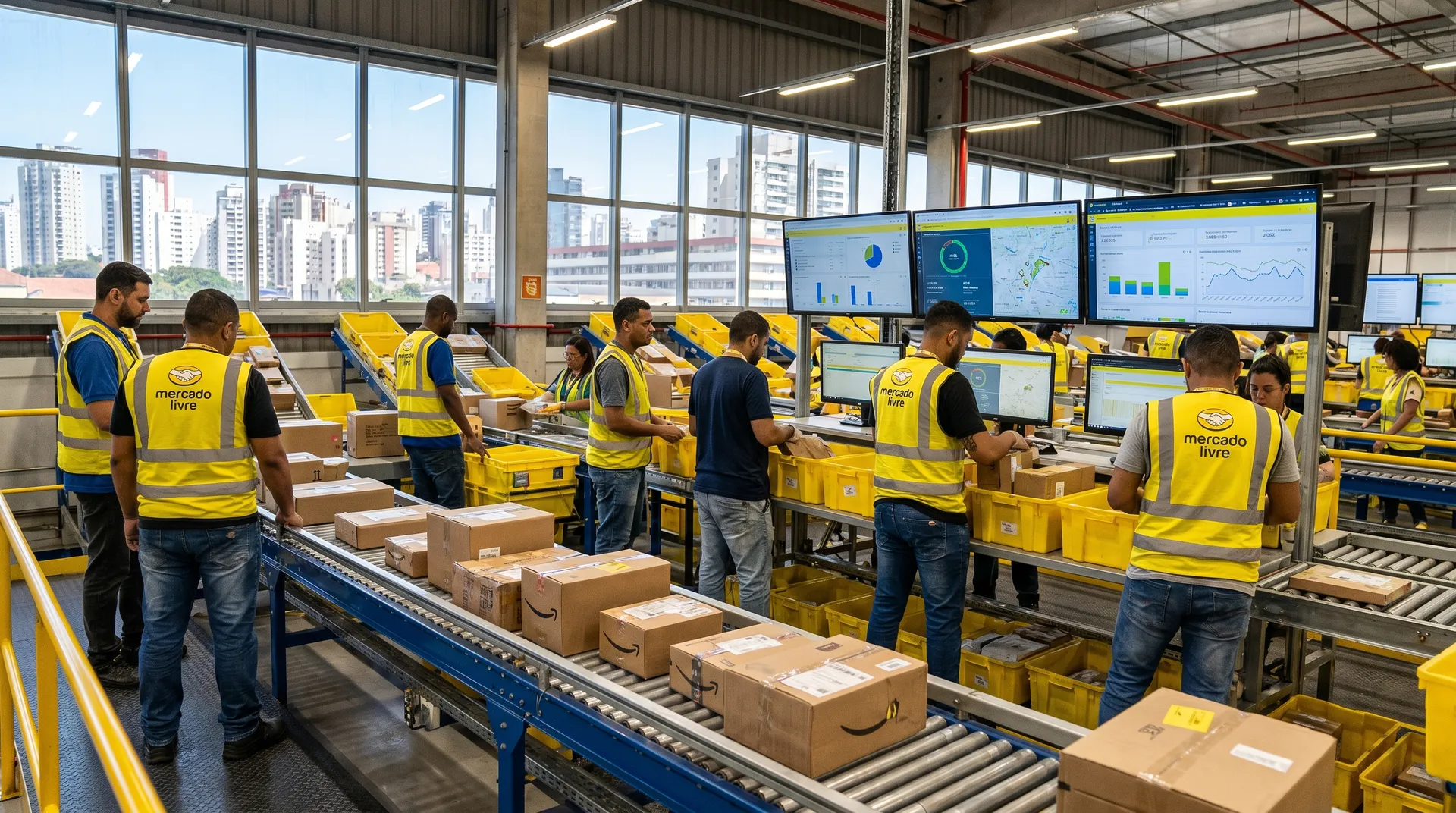
The main growth factor is our own logistics. Mercado Livre is aggressively expanding its network of fulfillment centers, last-mile delivery, and subsidized shipping system. Free shipping with a minimum threshold of R$19 dramatically increased customer activity and accelerated the flow of audience from cross-border platforms.
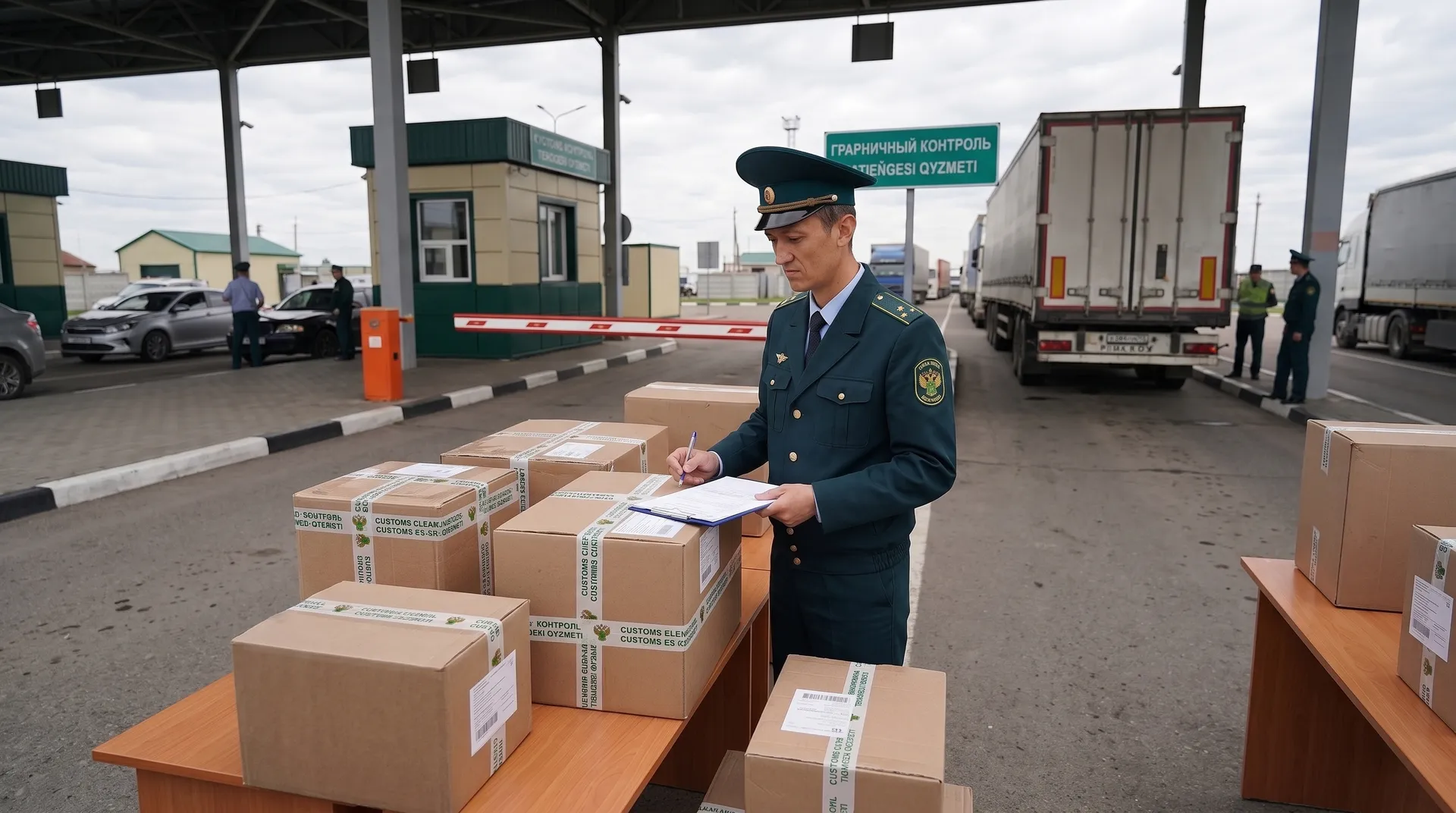
Shein and Temu were the hardest hit by the changes. After Brazil introduced a 60% tax on cross-border imports of goods cheaper than $50, the previous model of cheap direct supplies quickly began to lose effectiveness. Customers are increasingly switching to local platforms, where delivery is faster and the final price after taxes is lower or comparable to Chinese platforms.
Amazon in Latin America is also losing momentum. The American company continues to invest in the region, but Mercado Livre is already operating here as a full-fledged ecosystem: marketplace, fintech, logistics, lending and internal advertising infrastructure. This gives the platform a significant advantage in retaining sellers and buyers.
The situation is fundamentally changing for Russian exporters. Mercado Livre is gradually becoming the main real channel for entering the market of Brazil and neighboring countries. The direct model of cross-border imports through cheap shipments loses its economic meaning after the tax burden increases.
Companies that want to gain a foothold in the region are increasingly switching to a local model of presence: working through Brazilian partners, placing goods inside the country, connecting to local warehouses and selling through the internal infrastructure of Mercado Livre. Without this, it becomes increasingly difficult to compete in terms of delivery time and final price.
The new stage of Latin American e-commerce is no longer built around cheap imports from Asia, but around localized trade and proprietary logistics within the region. Mercado Livre proved to be the main beneficiary of this restructuring.
This means another important thing for the market: control over cross-border trade and taxes is beginning to directly determine the balance of power among marketplaces. The winner is no longer the one who brings goods from abroad cheaper, but the one who delivers them faster inside the country.