Brazil has long been one of the most open major markets for Asian marketplaces. Cheap imports through Shopee, Shein, and Temu grew without restrictions until the government decided it was time to level the playing field with local retailers.
A 60% tax on parcels cheaper than $50 is not a theoretical risk, but the current norm of 2026. For buyers of Brazilian Temu or Shopee, this means that a $30 item now costs $48. Savings on foreign platforms have decreased dramatically.
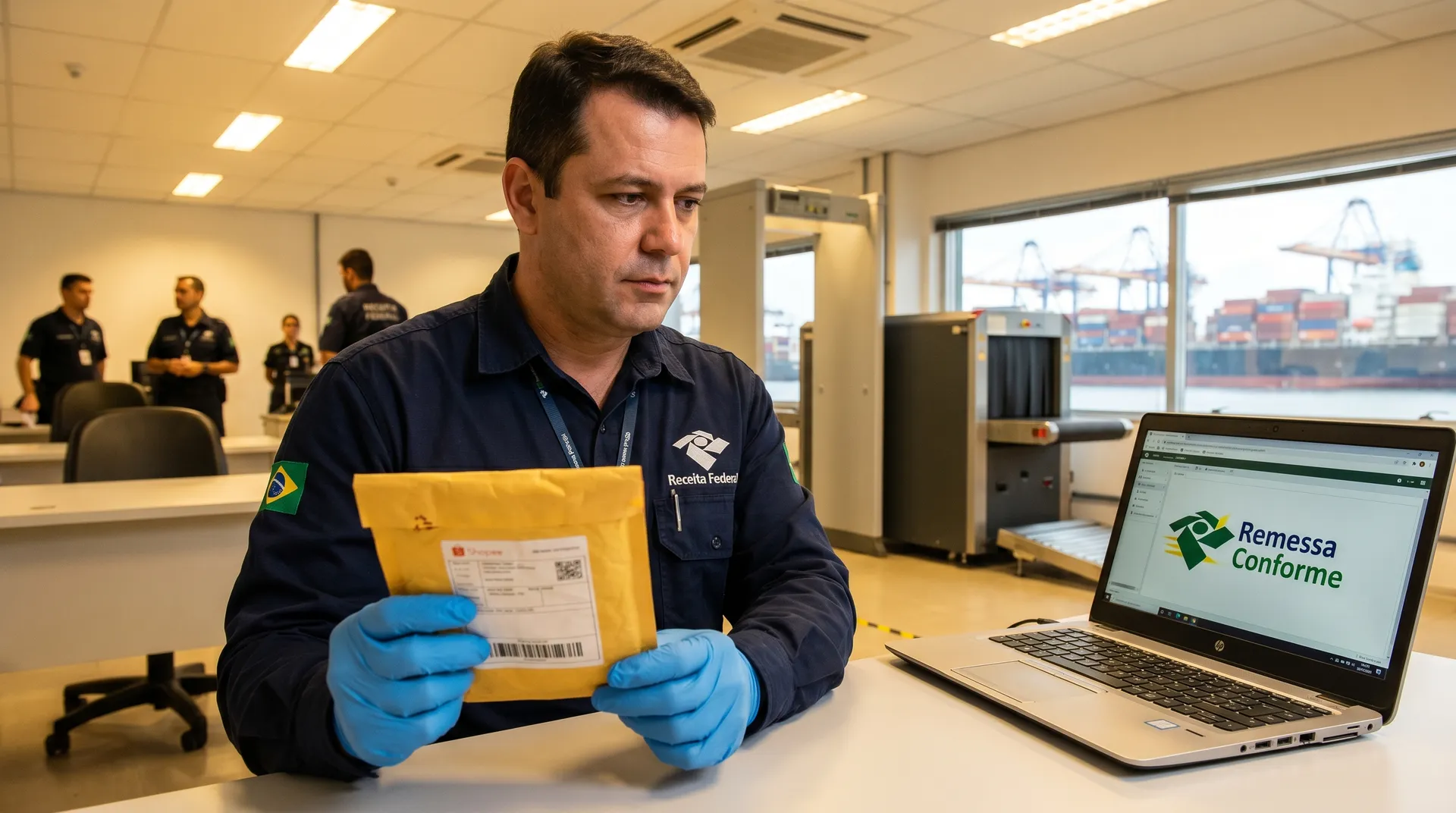
The Remessa Conforme program is a mechanism through which tax is paid at the point of sale, even before sending a parcel from abroad. This reduces customs delays, but completely closes the loophole of "duty-free" import of cheap goods.
Mercado Livre used the introduction of the tax as a competitive weapon: it lowered the free shipping threshold to R$19 — to virtually zero across the entire catalog — precisely to intercept customers disappointed by rising prices on Asian platforms. Investments in Brazilian Mercado Livre infrastructure have exceeded $10 billion in a year and a half.
At the same time, Brazil is implementing tax reform: several federal and regional taxes are combined into a double VAT — CBS (federal) and IBS (regional). For international sellers, this is a transition to a more transparent taxation system at the destination, but the transition period requires parallel management of the two systems.
For Russian companies considering Brazil as a sales market, the situation is twofold. On the one hand, the 60% tax on cheap imports hit primarily Asian platforms with low average receipts. On the other hand, the rules are the same for all cross—border sellers. Entering the Brazilian market requires working through Mercado Livre or local Remessa Conforme operators so that the tax is paid correctly already at the sale stage.