







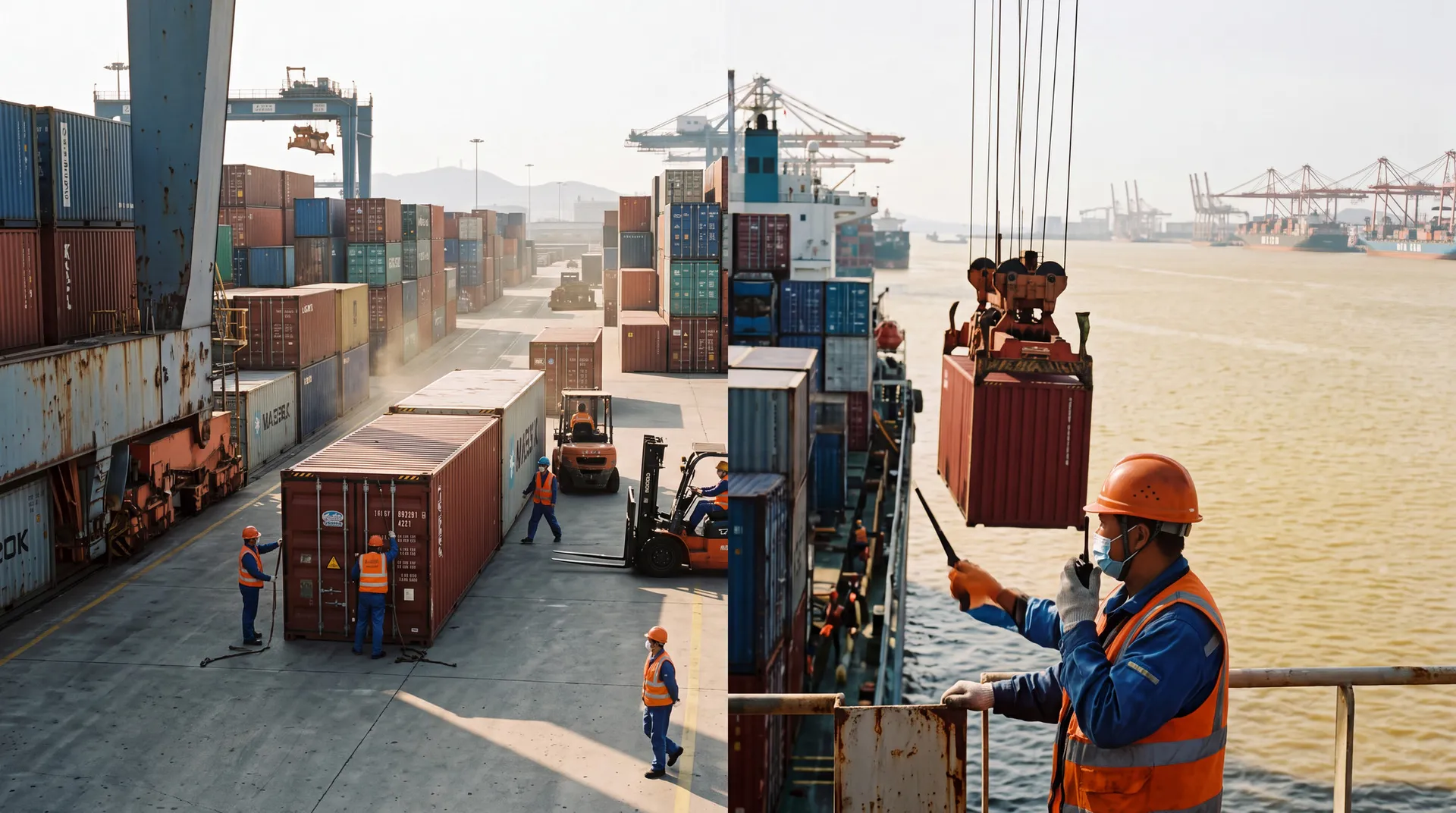
Over ten months of 2026, China's total trade amounted to 44.81 trillion yuan — 20% more than in the same period of 2025. Exports for January–October reached 25.99 trillion yuan (+17.6%), imports — 18.82 trillion yuan (+23.6%). The October jump markedly outpaced the average annual dynamics: 31.2% versus 20% for the ten months.
Among trading partners, cooperation with ASEAN developed most actively: 7.68 trillion yuan over ten months, up 24.2%. Trade with the EU grew by 8.5% to 5.29 trillion yuan, with the US — by 6.3% to 3.59 trillion yuan. Belt and Road countries together accounted for 22.88 trillion yuan, up 18.5%.
By type of foreign trade participant, private enterprises lead: 25.46 trillion yuan, up 20.1%. Foreign-invested companies recorded 13.15 trillion yuan (+20.4%), state-owned enterprises — 6.12 trillion yuan (+19.1%). The gap between sectors is minimal, indicating broad-based growth.
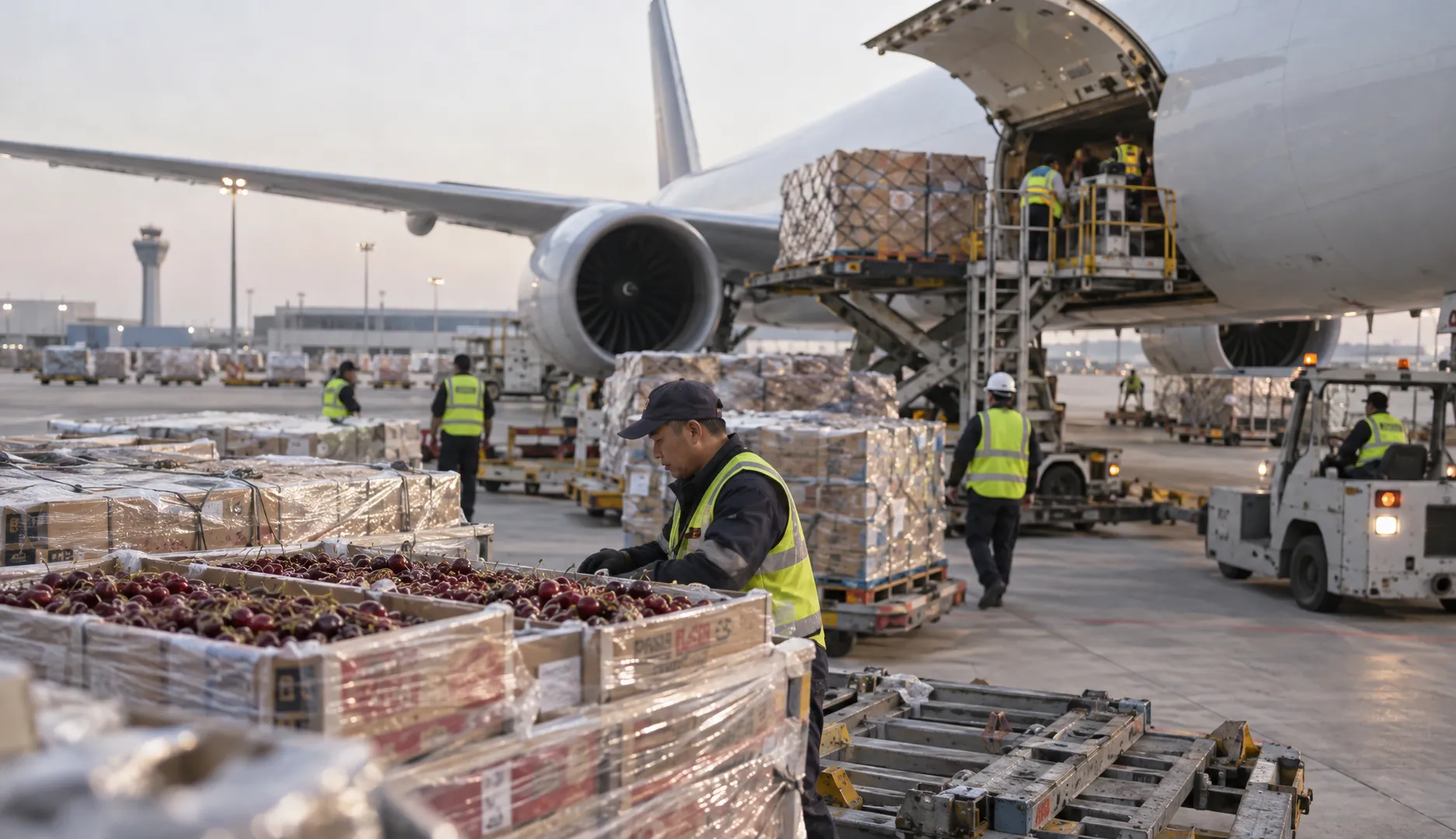
Machinery and technical products dominate exports: 16.81 trillion yuan over ten months, up 25.2%. Labour-intensive goods grew more modestly — by 2.4% to 3.45 trillion yuan. Agricultural exports rose by 3.9% to 622.08 billion yuan.
The import side shows a different picture. Imports of machinery and equipment grew by 35% to 8.17 trillion yuan — the highest rate among all product groups. Crude oil purchases, by contrast, fell by 15.1%: 400 million metric tonnes entered the country over ten months. Agricultural imports increased by 4.6% to 1.29 trillion yuan.
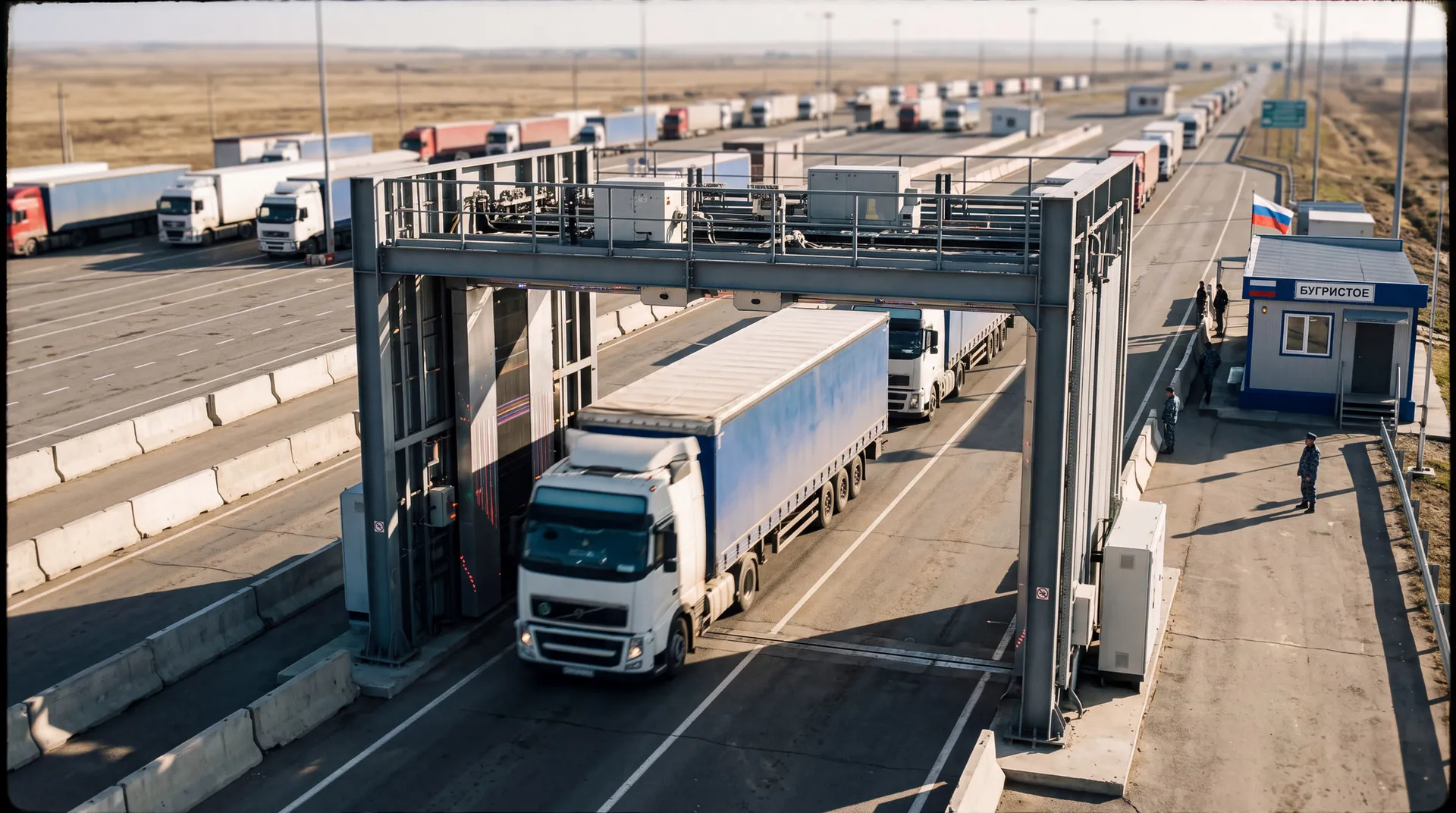
For Russian foreign trade participants, the acceleration of Chinese imports of machinery and equipment means stronger competition for the production capacity of Asian suppliers. China's high demand for equipment is already affecting production times and the availability of specific items for third-party buyers. The decline in oil imports in physical terms amid overall trade growth signals a structural shift in Beijing's energy policy — a factor Russian commodity exporters should take into account when planning supplies for 2027.
Related news:
- China and ASEAN increased trade to $1.05 trillion — what CAFTA 3.0 brings — China–ASEAN trade and the CAFTA 3.0 agreement
- Imports from China: pent-up demand since May created overbooking on routes — how demand for imports from China is overloading routes
- 9th CIIE in Shanghai: 4,142 companies from 162 countries, a record 440,000 sq m — the scale of the 9th CIIE in Shanghai
- Supplies from Chinese marketplaces to Russia grew 3.6 times — $1.8 billion per quarter — growth of supplies from Chinese marketplaces to Russia
- The Huanghe dam as an assembly point: a report from Sanmenxia on a new stage of Russia–China cooperation in BRICS — a new stage of Russia–China cooperation in BRICS