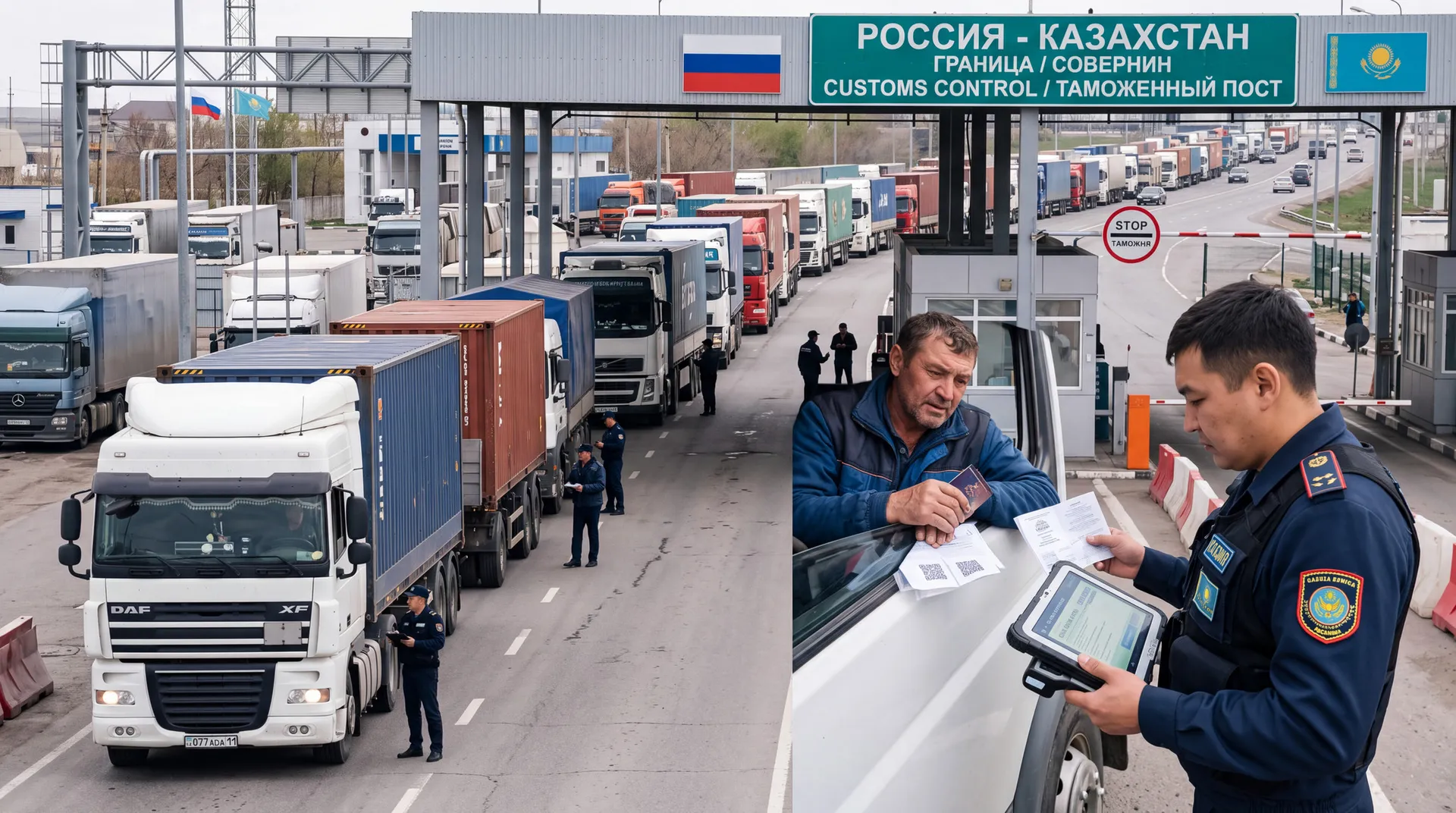
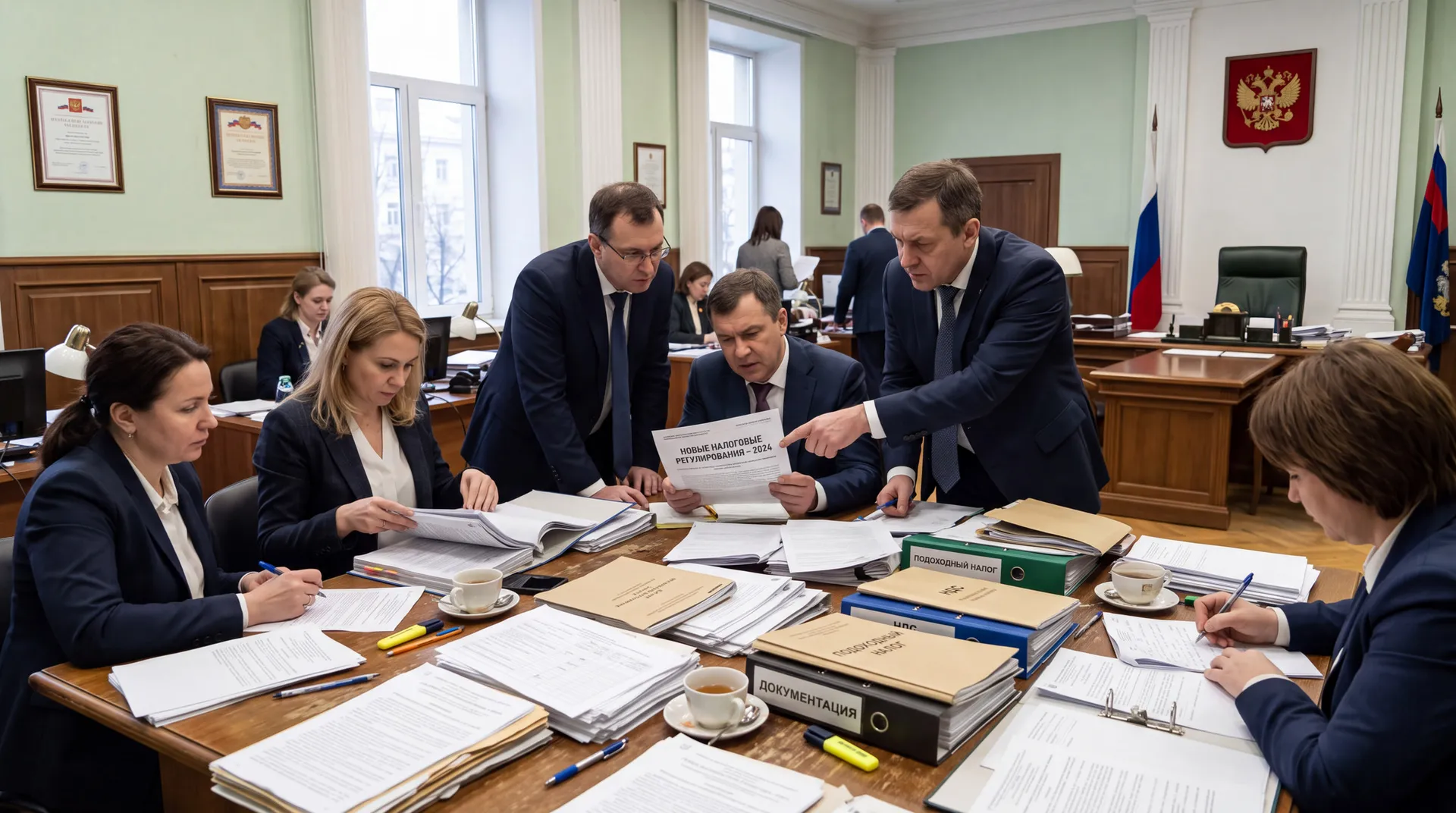
Mandatory electronic document management in cargo transportation starts operating in Russia tomorrow, September 1, 2026. Transportation documents are processed through the state information system of electronic transportation documents.
The postponement only applies to responsibility. The Ministry of Internal Affairs and Rostransnadzor will limit themselves to an oral comment on paper invoices until March 1, 2027 — the Ministry of Transport confirmed this in writing on the basis of Presidential instruction No. Pr-1784 dated July 19. The very obligation to switch to electronic documents begins tomorrow, and the absence of a fine does not make paper document management legal.
The coverage is wider than is commonly thought. About 3,000 OKVED codes fall under the law — up to 95% of Russian entrepreneurs, including all those who simply send or receive goods. A company that does not transport anything itself, but accepts supplies from contractors, also becomes a participant in the exchange.
A short checklist for today and tomorrow.
Check whether the EDI operator is selected and whether both parties to the agreement are connected to it. The exchange only works when the sender, carrier, and recipient are in the system; one participant breaks the entire chain on paper.
Make sure that the signatories have valid qualified electronic signatures, and that the employees acting under a power of attorney have a machine—readable power of attorney. This is the most common place where the process starts on the very first day.
Determine who forms the bill of lading titles and at what point: the document has several parts, and each is signed by its own party at its own stage. Deal with this on shore, not at the time of loading.
Coordinate with the drivers the procedure for presenting the document on the road. The inspector looks at the electronic document, and the driver needs to understand exactly what to show if there is no connection.
And set a double document flow for September. The carriers warned about it in advance: while some of the counterparties are working on paper, both schemes will have to be conducted in parallel. The delay in fines is just in order to survive this period without losses.
Similar materials on the website
- The Ministry of Transport has confirmed that they will not be fined for paper invoices until March — what is the basis for the postponement and what exactly it does not cancel
- A machine—readable power of attorney will be simplified: one form instead of a set is the point on the checklist where the process most often occurs.
- Carriers: GIS EPD will create a double document flow from September 1 — what to prepare for during the transition month