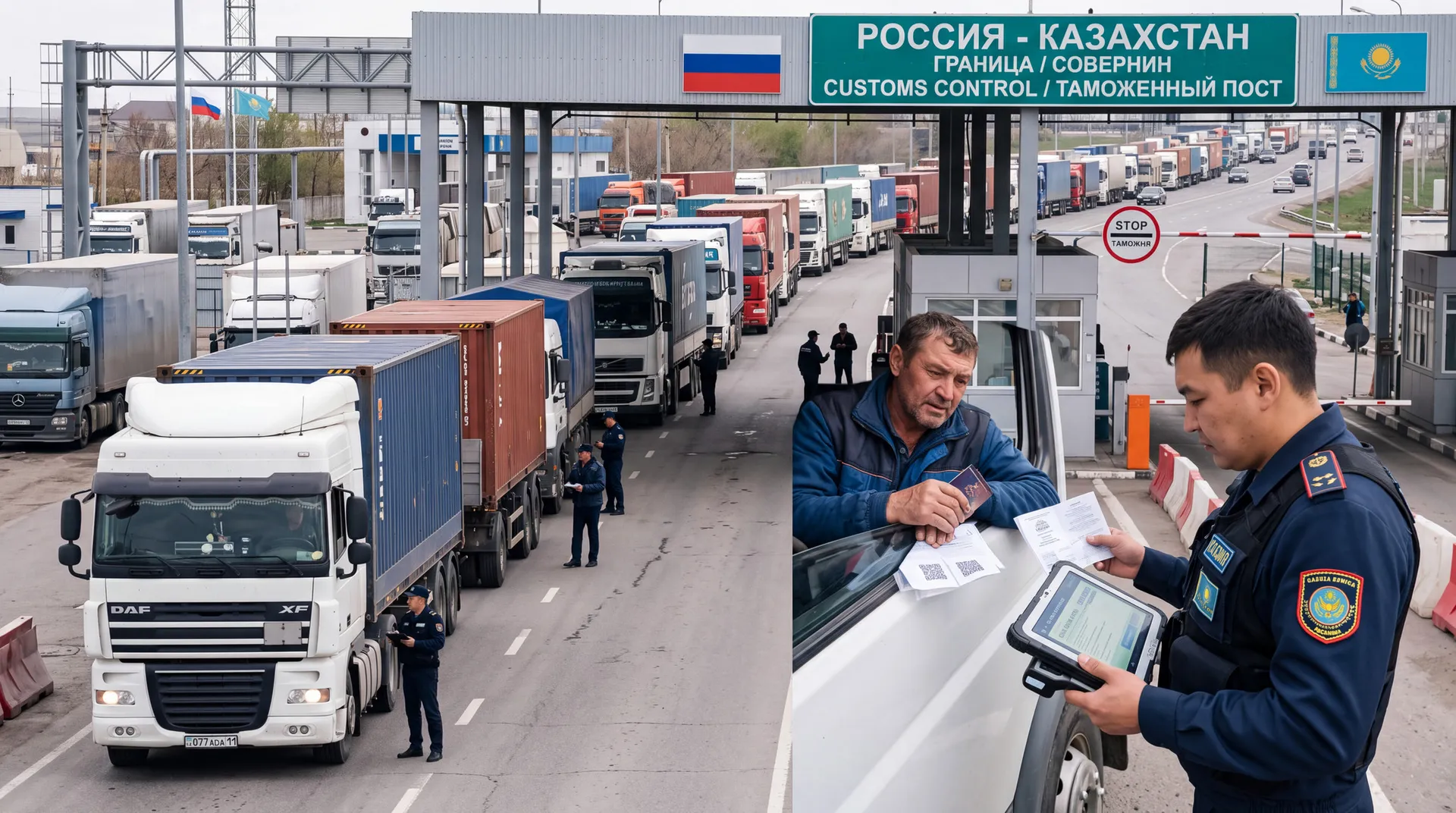
Since September 1, 2026, new border control rules for foreign cargo carriers have been in effect in Russia. By Decree of the Government of the Russian Federation dated 05/29/2026 No. 642, amendments were made to the resolution of June 29, 2021, regulating the procedure for crossing the state border.
Trucks weighing over 12 tons owned by foreign carriers will not be able to enter or leave Russia if there are outstanding debts. There are three categories of debt: unpaid fines, arrears for travel on toll roads, and payments for compensation for damage caused to roads by vehicles with a permitted maximum weight of over 12 tons. Customs authorities check debts through GIS GMP, the state information system on state and municipal payments.
For Russian carriers, the procedure has been simplified with the same package: when submitting applications, you no longer need to attach electronic images of the truck registration certificate, the system operator checks the data automatically.
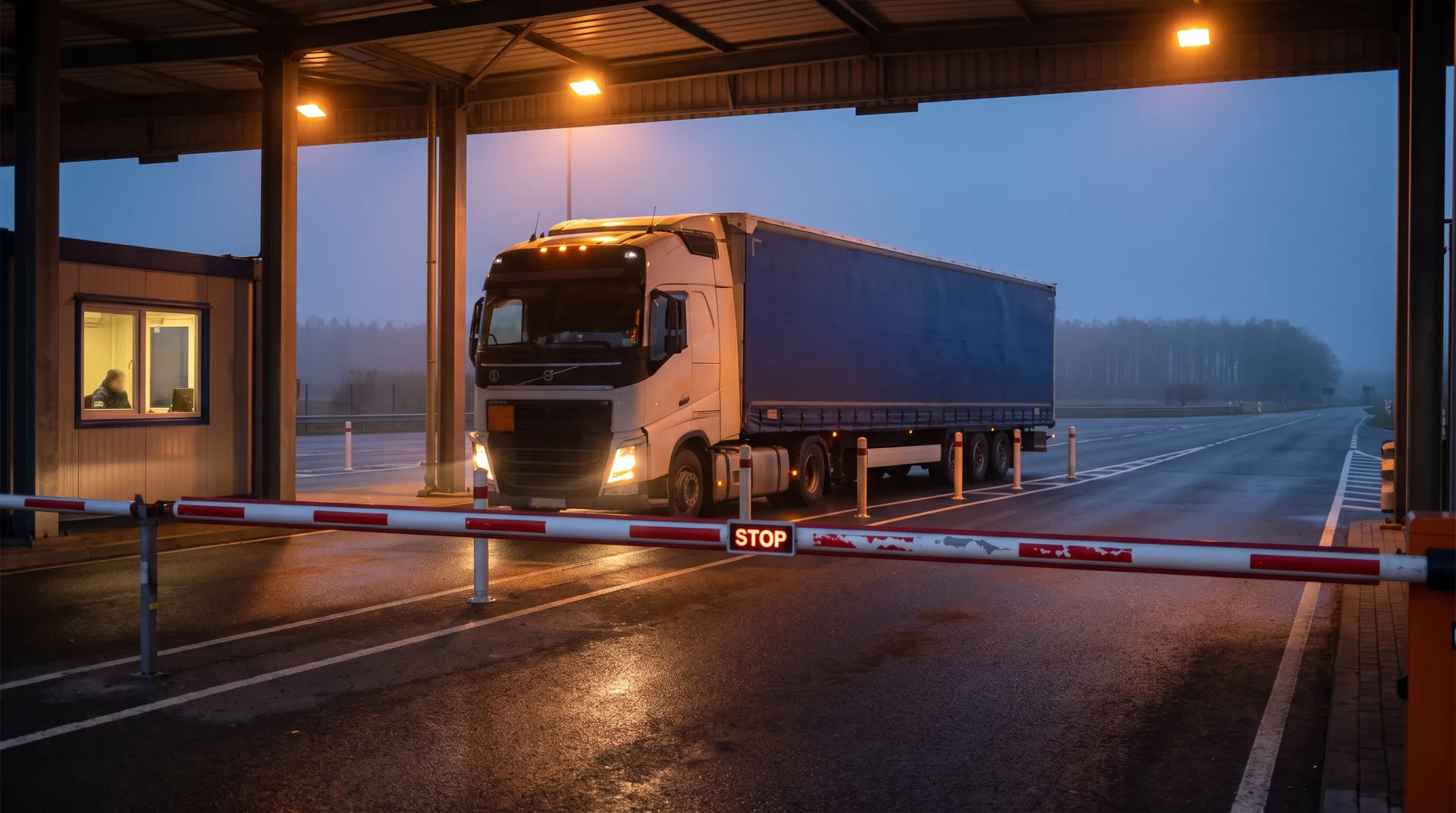
The practical risk to the cargo owner in this design is not obvious, but it is real. The debt is owed to the carrier, and the car with your cargo is parked at the border. The shipment is blocked due to a circumstance to which the sender and recipient have nothing to do, while the delivery time, contractual penalties and downtime costs remain yours.
What to do in contractual work with foreign contractors. To make an assurance in the contract about the absence of debts to the Russian road systems and the obligation of the carrier to compensate for losses from the delay for this reason. To secure the customer's right to replace the vehicle at the contractor's expense when the car is detained at the border. For regular contractors, it is necessary to request proof of absence of debts before the start of each transportation season.
And put time into schedules: the first weeks after the mechanism is launched usually result in a spike in delays at crossings while carriers sort out their charges.
Similar materials on the website
- Starting from September 1, the rules of border control for trucks will change — the entire package of changes on the same day, including dangerous goods and perishable