• USD/RUB USD/RUB 77.97
  • EUR/RUB EUR/RUB 89.26
  • CNY/RUB CNY/RUB 11.46
  • Bitcoin Bitcoin BTC $63147
  • Ethereum Ethereum ETH $1771
  • Ripple Ripple XRP $1.13
  • Solana Solana SOL $81.31
  • Cardano Cardano ADA $0.18
  • USD/RUB USD/RUB 77.97
  • EUR/RUB EUR/RUB 89.26
  • CNY/RUB CNY/RUB 11.46
  • Bitcoin Bitcoin BTC $63147
  • Ethereum Ethereum ETH $1771
  • Ripple Ripple XRP $1.13
  • Solana Solana SOL $81.31
  • Cardano Cardano ADA $0.18

FESCO has reached an agreement with the Chinese hub Datong: new routes from Shanxi province

FESCO has reached an agreement with the Chinese hub Datong: new routes from Shanxi province
Most Popular
07.07
Electronic invoices in logistics: fines will start only from March 2027
07.07
Maersk raised its forecast: rates are falling slowly, not in a collapse
03.07
Russia has closed railway crossings on the borders with Finland, Latvia and Estonia.
03.07
Carriers: GIS EPD will create a double document flow from September 1
03.07
The EEC has extended zero fuel duties until June 2027
03.07
The EAEU Unified transit system has been launched: one document for the entire route
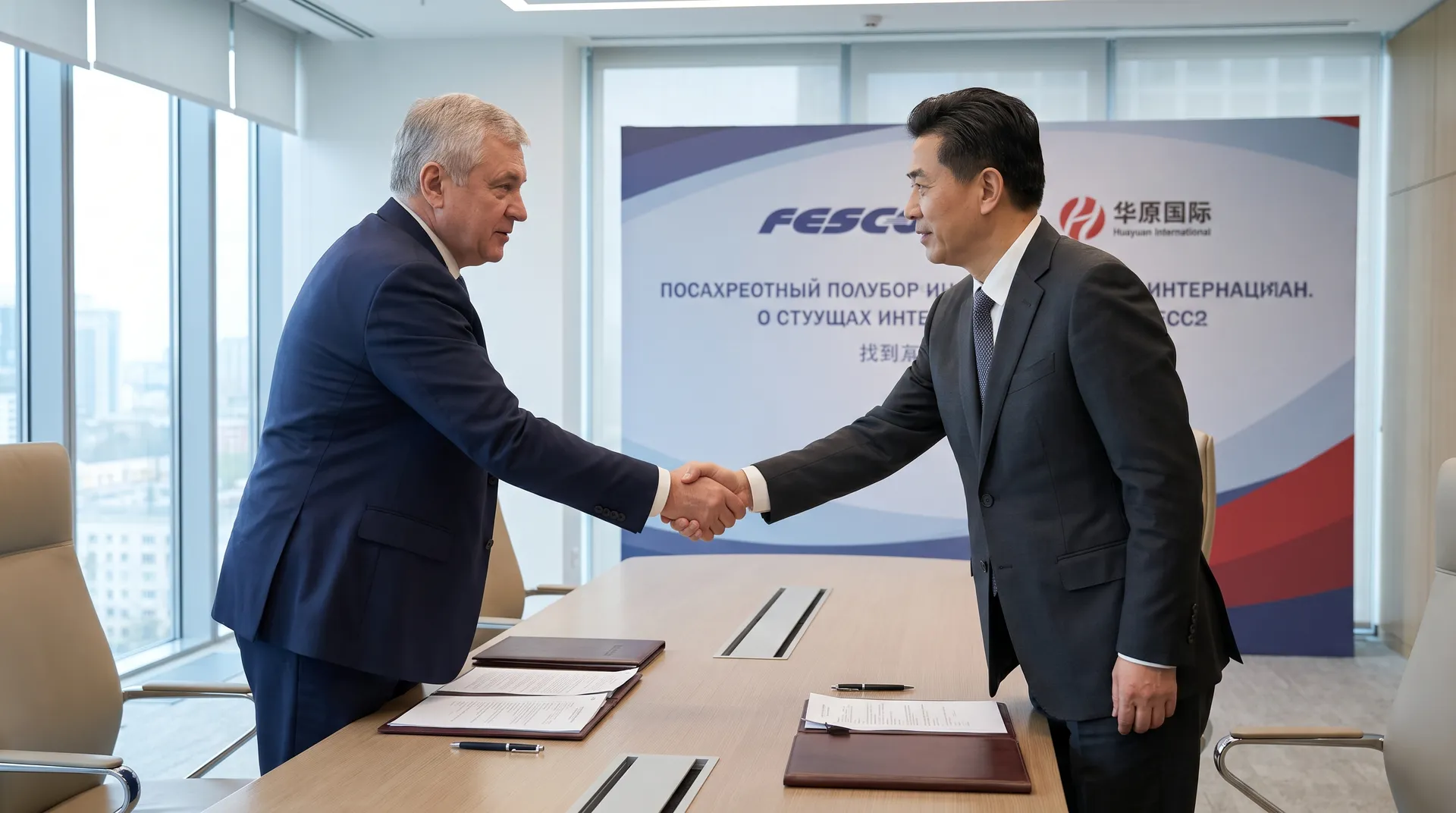
FESCO Transport Group has signed a cooperation agreement with Huayuan International Land Port (Datong) Group. Datong is a large onshore logistics hub in Shanxi Province, central China. The agreement is aimed at developing intermodal routes towards Russia and the EAEU countries, including through Mongolia.

Datong is not a port city. This is a transport hub inside China, from where routes go north: through Mongolia to the Russian border and further along the Trans-Siberian Railway. Shanxi Province is one of China's largest manufacturing centers in industrial goods: metalworking, equipment, chemicals, and building materials.

FESCO traditionally operates through the Far Eastern seaports: Vladivostok, lines from Shanghai, Ningbo, and the Port of Dalian. The agreement with Huayuan opens up another segment — cargo from the central provinces of China, which is far and expensive to reach the coast.

For shippers from Shanxi Province, this potentially means a direct overland exit via FESCO to Russia without mandatory transshipment at coastal terminals. For Russian importers who purchase industrial goods from domestic Chinese manufacturers, this is an additional route option with reduced logistical leverage.

Practice will show how quickly the agreement will turn into a real cargo flow. Such agreements in logistics require time for debugging: coordination of schedules, tariff conditions, customs procedures on Mongolian transit. But the direction is clear: FESCO is expanding its presence in China beyond the coastal strip.


Telegram-канал Deliver2
Канал о новостях в сфере ВЭД, актуальные маршруты, актуальные способы оплаты, мнения участников рынка, интервью и подкасты.