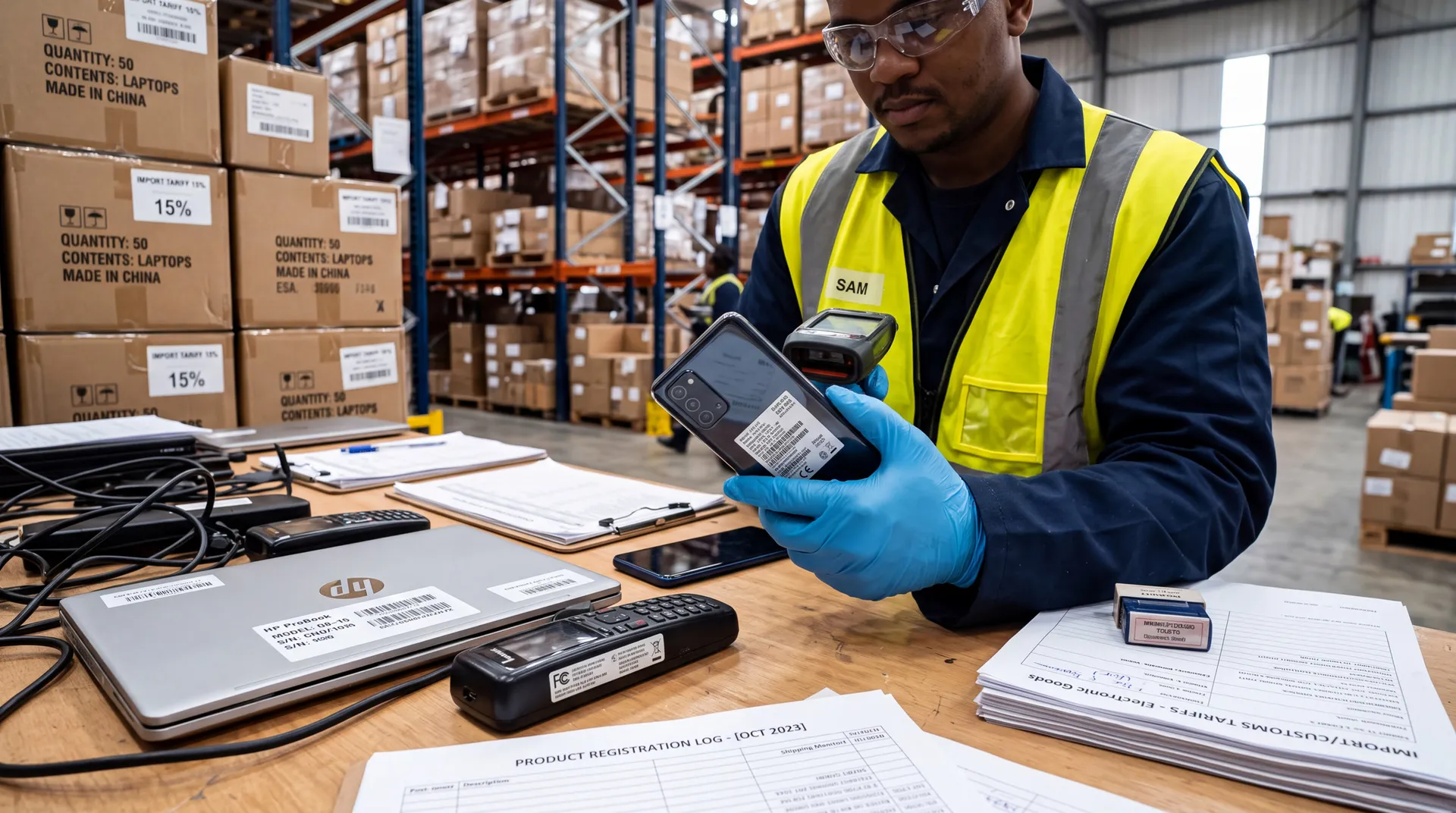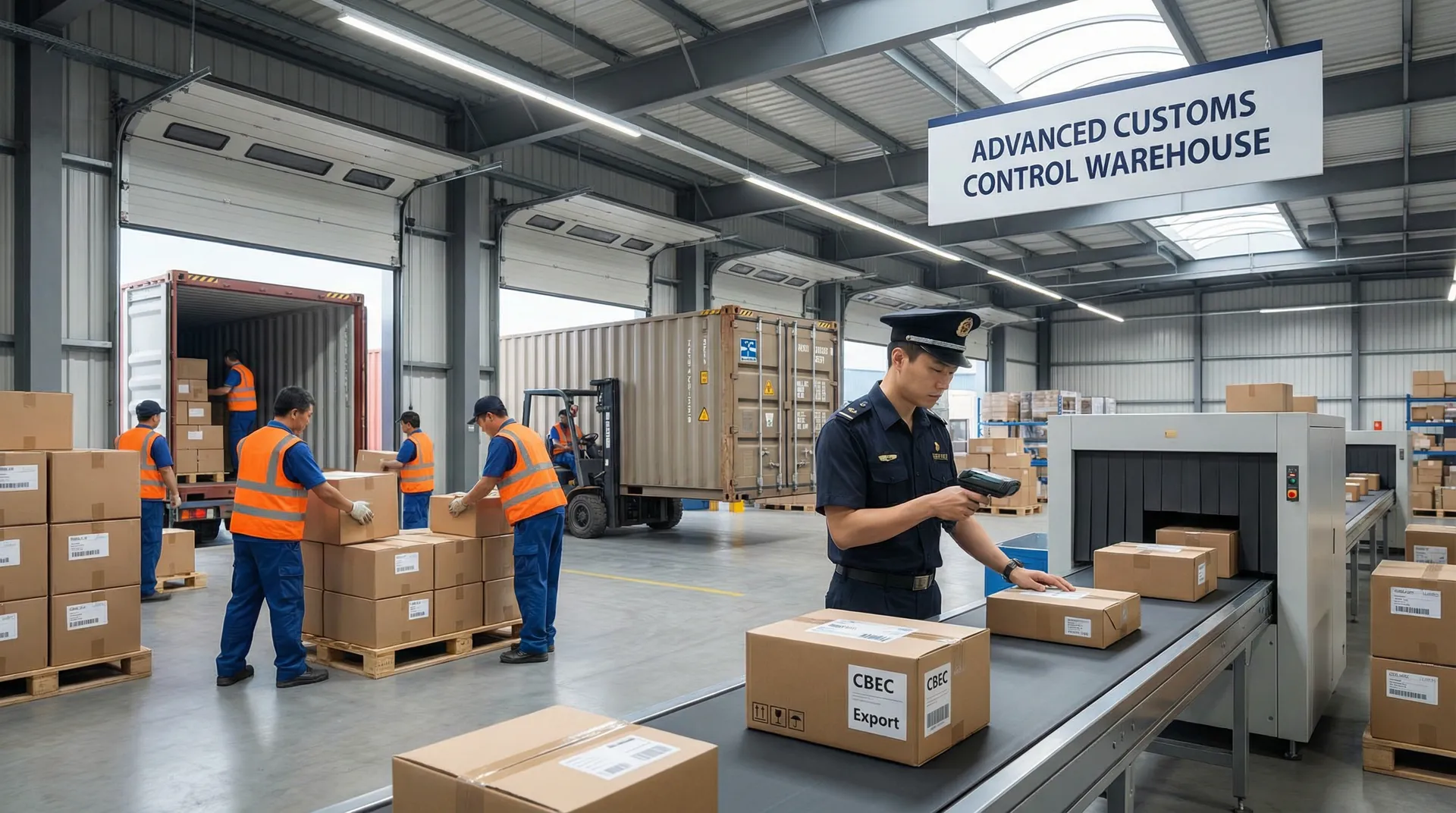
Weihai in Shandong Province has shown a model that exporters usually dream of seeing in practice: the customs office has ceased to be a separate point of the route and has become part of the warehouse. The site has launched an "advanced customs control warehouse" for the retail export of cross-border e-commerce. The essence is simple: After packing and sorting, the parcel enters the built-in control area, is processed, and then immediately goes into consolidation and containerization.
In logistics, this changes two critical places. The first is time. Market participants constantly lose hours transporting goods to the customs facility, waiting for the window and reloading. Here, this cycle is cut due to the fact that the control zone is located in the same place where the product is already located. The second is money. Internal movement around the city, additional processing, re-loading and unloading often turn a "cheap warehouse" into an expensive chain. According to the Chinese side, the new format accelerates processing by about 3 hours and reduces internal logistics costs by more than 20%.
CCTV emphasized a practical detail: the clearance takes a few seconds, after which the cargo can be immediately consolidated and loaded into a container so that the shipment leaves for the international line in the evening of the same day.
The head of the Weihai Customs post described exactly where the time savings appear.:
"Previously, after packing and sorting, companies transported goods to a customs facility for inspection. After the clearance was completed, the cargo had to be reloaded into the container. The Advanced Customs Control Warehouse places the customs site directly in the company's production warehouse, and the company can carry out the declaration, inspection and loading of the container in one place."
For foreign trade specialists and store owners on marketplaces in other countries, this story is important for two reasons. First, China continues to turn the crossborder into an industrial standard: processing speed is becoming a competitive advantage along with price. Secondly, the model is easily transferred to large export clusters — where the platform has volume and a stable flow, it is advantageous for the regulator to "enter" the warehouse, because control becomes more manageable.