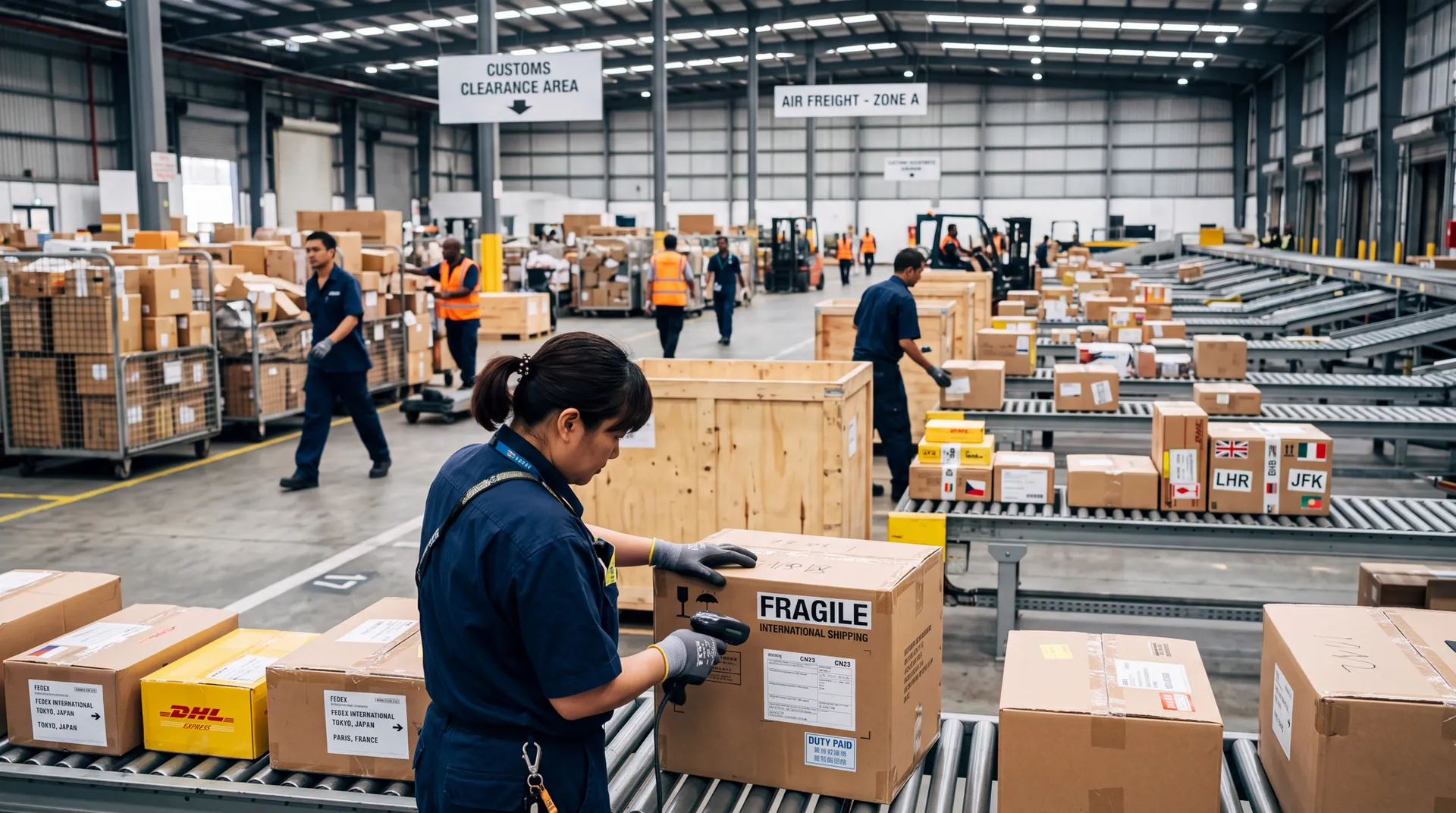
Previously, transit cargo, for example, from China through Kazakhstan and Russia to Belarus, was processed separately at each internal border of the EAEU. Each transition is a new set of documents, a new expectation, a new point of delay risk.
The system has been switched since July 1. The single transit declaration is filled out once, its format is the same for all contracting parties, and the customs authorities of the five countries exchange data in real time.
"The introduction of the unified customs transit system of the EAEU will increase the level of security and transparency of cross—border transportation, achieve seamless transportation in the Eurasian space and significantly reduce business costs for delivering goods to their destination," said Sergey Shklyaev, Minister for Customs Cooperation of the EEC.
Three technical innovations define how it works. The first is the integration of information systems: the customs of each country sees the status of the cargo in real time without requests via fax or telephone. The second is electronic navigation seals, which record the route and prevent the cargo from being opened without immediate notification to the system. The third is mutual recognition of the results of customs control: if the cargo has been inspected in Kazakhstan, the Russian customs accepts this fact without re—checking.
The agreement also provides for the connection of third countries — that is, transit routes from China or Mongolia through the EAEU will receive the same mechanism in the future. Minister Shklyaev highlighted this area: "Simplified transit procedures will make routes through the customs territory of the EAEU and third countries more attractive, stimulating access to new markets."
For companies operating the China–Russia–Europe transit routes or using the EAEU as a corridor for intercountry shipments: the restructuring has taken place, there is no need to wait for it. It is worth checking with your broker whether he has updated the workflow for the new single declaration format — this is where technical delays are possible in the first weeks.