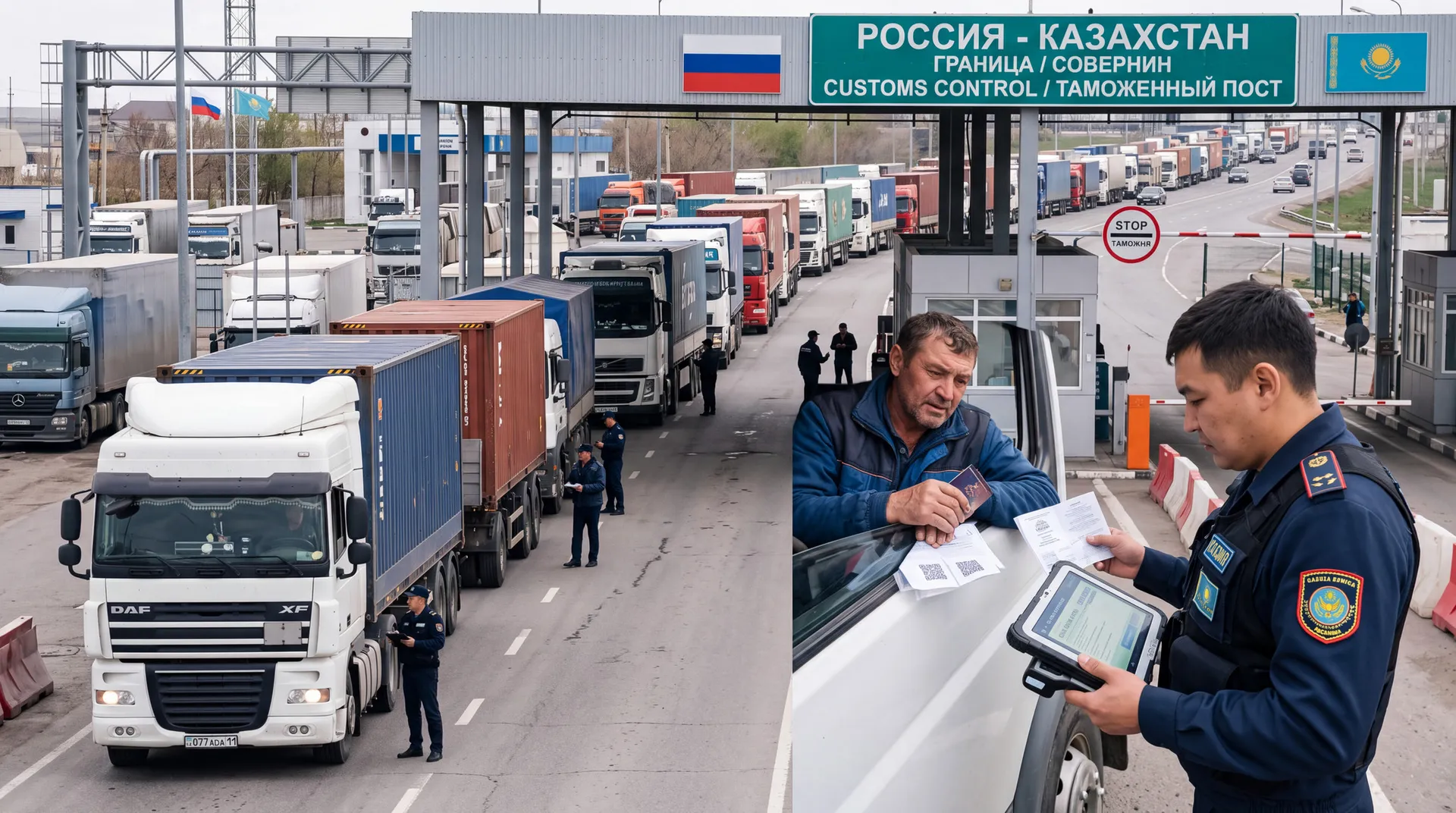
A reversal in the approach to customs value control is being discussed in the foreign trade market. A letter from the Ministry of Finance addressed to the head of the Federal Customs Service appeared in circulation, in which it is proposed to stop the experiment, which made it possible to accelerate the release of goods by postponing the verification of the declared customs value to the post-release stage.
The key part of the document is formulated as follows:
"... I ask you from today to stop conducting an experiment on the acceptance by the customs authorities of the declared customs value of goods, determined by the method of transaction value with imported goods ..., with the transfer of customs control to the stage after the release of goods."
There is also a clear deadline in the same letter.:
"I ask you to report on the execution by the end of the day on April 13, 2026."
For importers, the point of such a step is one thing: the issue may again begin to depend more on how convincingly the value is confirmed already at the declaration stage. The experimental mode gave the business space: the goods went into circulation faster, and control shifted to post-control, where the company had more time to collect evidence, clarify price conditions, correspond with suppliers and financial reconciliation. A return to more extensive pre-release verification increases the risk of delays in disputed items and increases the cost of errors in documents.
Supplies with a non-standard price and a complex transaction structure will be most vulnerable: volume discounts, bonuses, post-payment, royalties, party interdependence, as well as chains through resellers. In such cases, the customs value according to the transaction method requires a careful evidence base, otherwise the likelihood of requesting additional documents and delaying the release increases. The transaction value method is fixed in the EAEU Labor Code, and it is this method that most often becomes the subject of dispute when control has doubts about the price and conditions of value formation.
This is also an applied history for logistics. Any pause on release quickly turns into downtime at terminals, slot shifts, fines to carriers, and cash gaps in contracts. For marketplace chains, the risk is even higher: the delay in the batch instantly affects the availability of goods in stock and the planning of promotions, where delivery dates are rigidly linked to sales.
Even if the photo of the letter turns out to be an unofficial leak or draft, the topic of cost control is already in the zone of increased state attention against the background of the policy of "whitewashing" imports and increasing collection. In March, the Ministry of Finance publicly spoke about the need to increase the transparency of foreign trade flows and set up control mechanisms so that the budget receives planned revenues.
What the business should do now: audit the package of price documents for key suppliers, prepare explanations to the price structure in advance, fix the terms of discounts and bonuses, build a single archive of correspondence and payments under contracts. In negotiations with suppliers, the wording in invoices and contracts is important so that the value of the transaction is clearly read and does not require "completion" after submitting the declaration.