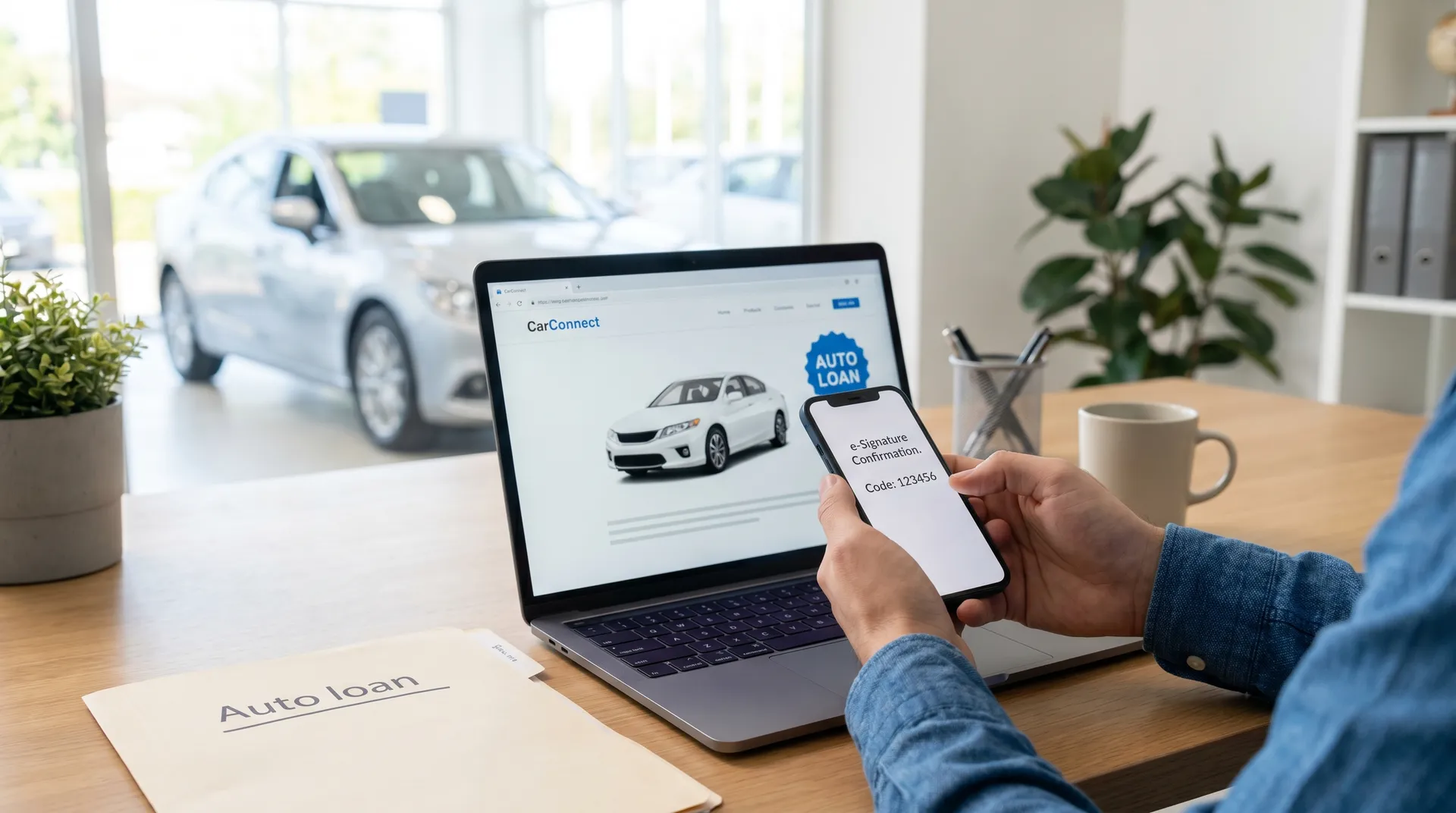
The combined company Wildberries & Russ (RWB) has launched a new fintech scenario: car loan processing right inside the marketplace. The mechanics are built around a showcase of cars and fast banking solutions. The buyer selects a car, fills out an application, receives a selection of conditions from partner banks and signs a loan agreement with an electronic signature. The application, according to the description of the service, is considered within a few minutes.
The company conducted its first transaction on the Baic U5 Plus model under the manufacturer's preferential program. RWB emphasizes that the registration and purchase took the client about an hour, and the entire set of documents was signed remotely.
"The first deal was for a Baic U5 Plus car at a discounted rate of 0.01% per annum under the Baic manufacturer's special loan program. The entire process of applying for a loan and buying a car on the Wildberries platform took the client an hour, and the documents were signed remotely," commented Georgy Gorshkov, head of fintech at RWB and Chairman of the Management Board of WB Bank.
At the start, the service is available in test mode in the web version of Wildberries. The next step is to transfer the functionality to a mobile application, where the main share of marketplace traffic is.
This is a signal to the market that marketplaces are accelerating the assembly of large purchases into one digital path: product, financing, remote identification, signing, and issuance. Car dealers and banks have a new point of competition for the customer: the showcase no longer lives separately from the loan. Planning is also changing in logistics. When a loan decision is made quickly, the importance of the accuracy of the availability of the car and the timing of the transfer increases. Any delay in delivery begins to directly affect the customer experience and cancellations.
A separate topic is data and compliance requirements. An auto loan inside the marketplace involves more intensive work with documents and identification. The format with a passport photo and an electronic signature reduces the transaction time, while increasing the cost of errors in questionnaires, car cards and accompanying documents. For partner banks, it is important that the chain is stable: pre-approval, final checks, signing, car reservation, transfer.
If the pilot shows a steady conversion, the market will see an expansion of the product line: more partner banks, more manufacturer programs, and an increase in the assortment in the Cars section. This pushes the auto segment towards the e-commerce standard, where the purchase is as usual as ordering equipment or furniture, and where the service around the transaction becomes part of the marketplace infrastructure.