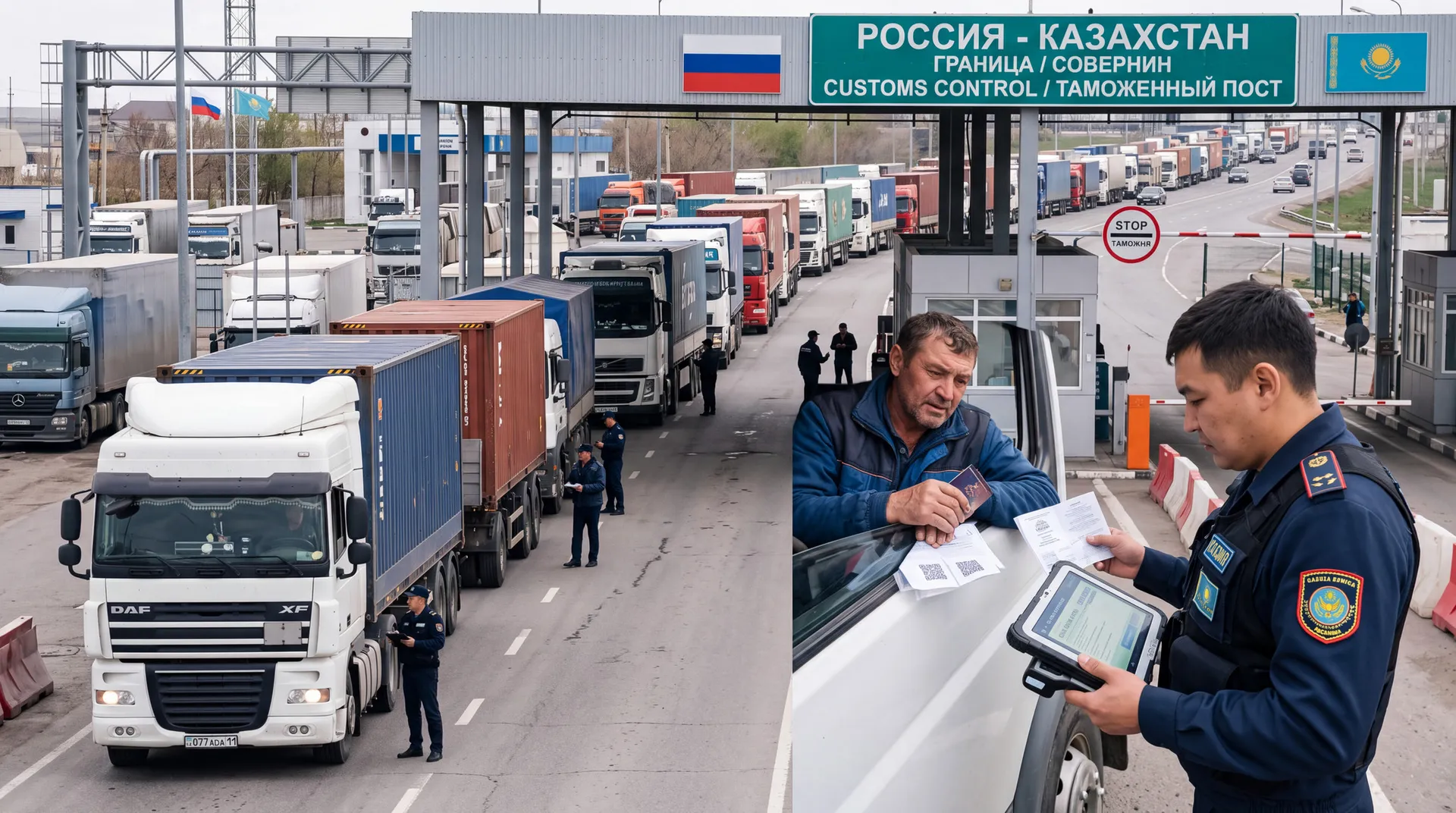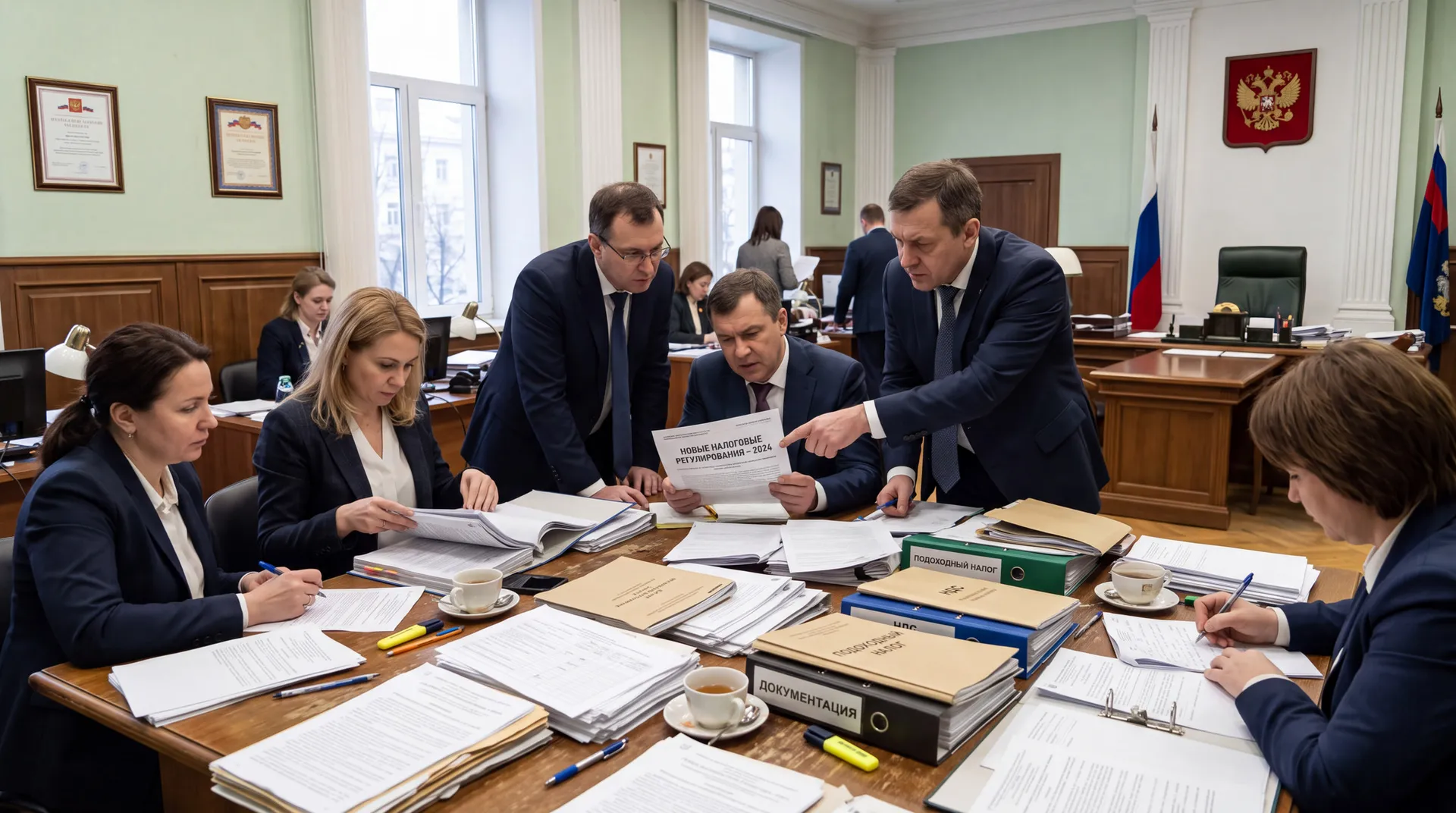
Traditional retail is increasing pressure on regulators on the topic of cross-border online trading. An industry association representing omnichannel sellers has sent proposals to the government to accelerate the introduction of VAT on goods that buyers order abroad through marketplaces. We are talking about the transition to a generally fixed rate and the shortest possible "transition corridor" so that foreign sellers do not consolidate their price advantage for years to come.
The key argument of the proponents of acceleration is the current tax asymmetry. The Association points out that the cross-border segment has a zero VAT rate, which makes foreign goods cheaper at the entrance. Against this background, the turnover of cross-border trade, according to the authors of the appeal, increased by more than 60% in 2025 and reached 440 billion rubles.
The letter explicitly describes the problem of the step-by-step scenario:
"...a phased, rather than a one-time, tax increase will provide foreign sellers with an additional period of time."
In addition to VAT, a package of "additional adjustments" is being discussed. Retail proposes to reset the duty—free threshold for purchases through marketplaces (currently 200 euros), extend labeling and traceability requirements to such goods, and create a quality and safety control mechanism. This changes the rules of the game for logistics: the share of deliveries will increase, which will require accurate product identification, binding with documents and compliance control before delivery to the buyer.
Rates and deadlines remain the subject of interagency bargaining. Options that have been discussed publicly: gradual growth (5% → 10% → 15% → 20%) and a compromise "accelerated" schedule (7% in 2027, 14% in 2028 and 22% from 2029). At the same time, there is a position for a one-time introduction of 22% starting in 2027.
The relevant departments explain the motive by equalizing competition. In one of the responses to the media inquiry, it was noted:
"Russian enterprises with high-quality and legal goods should be in a healthy competitive environment."
Marketplaces, in turn, insist on gradualism and warn of the risk of a sharp rise in price and contraction of the cross-border segment. This is an important nuance for the budget: if the entry is too tight, some of the demand may "collapse", and some may go to alternative delivery schemes that are more difficult to administer.
If the acceleration of VAT and related measures pass, importers and 3PL operators will face a higher cost of error: they will need to calculate the final cost for the buyer more precisely, put the tax burden in the showcase, rebuild consolidation routes and strengthen control of commodity data. For Russian sellers, this is a chance to partially return sensitive categories to local supply chains, but the payoff will depend on how quickly they can keep prices, delivery speed, and service quality at the level of online shoppers' expectations.