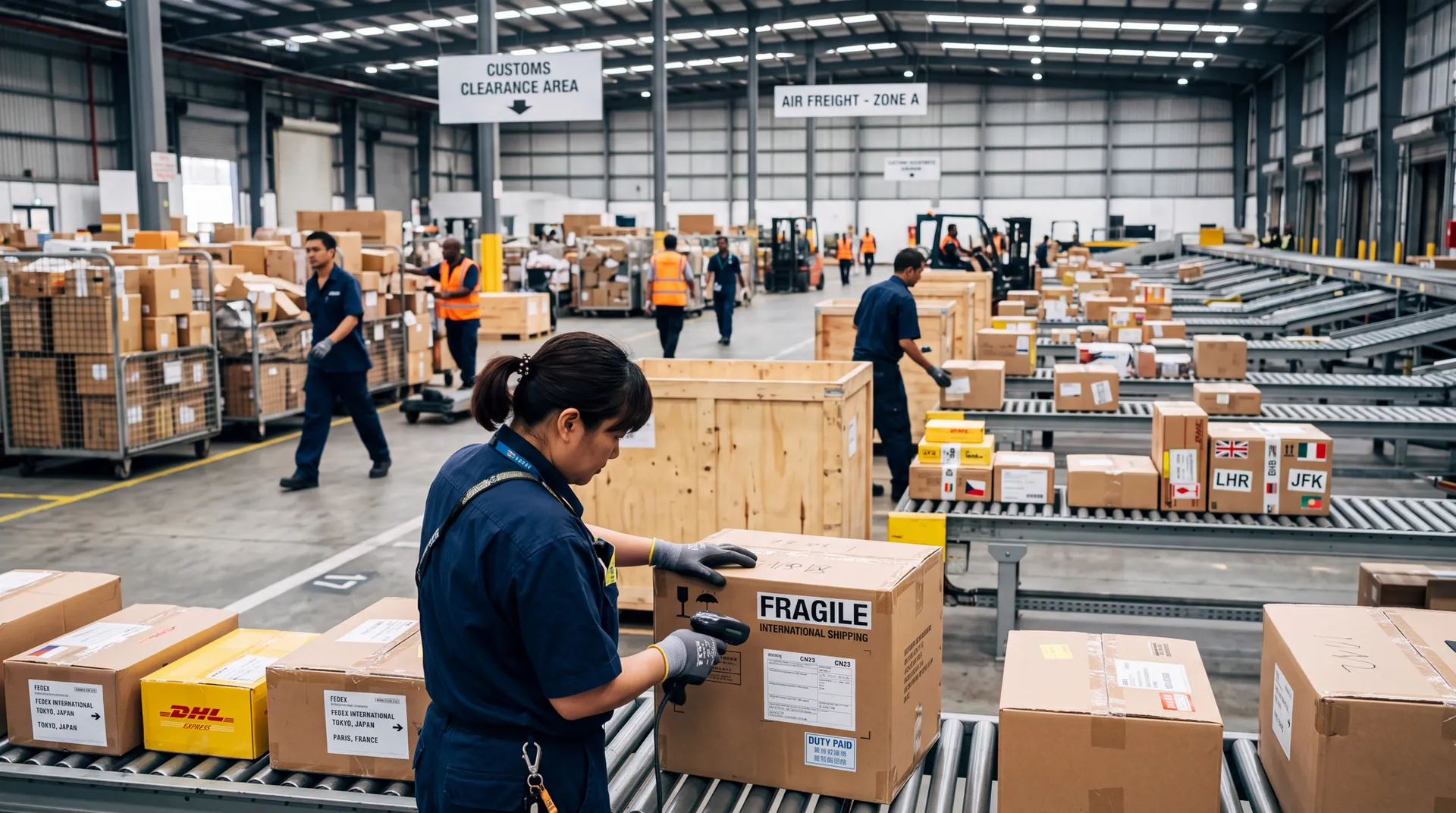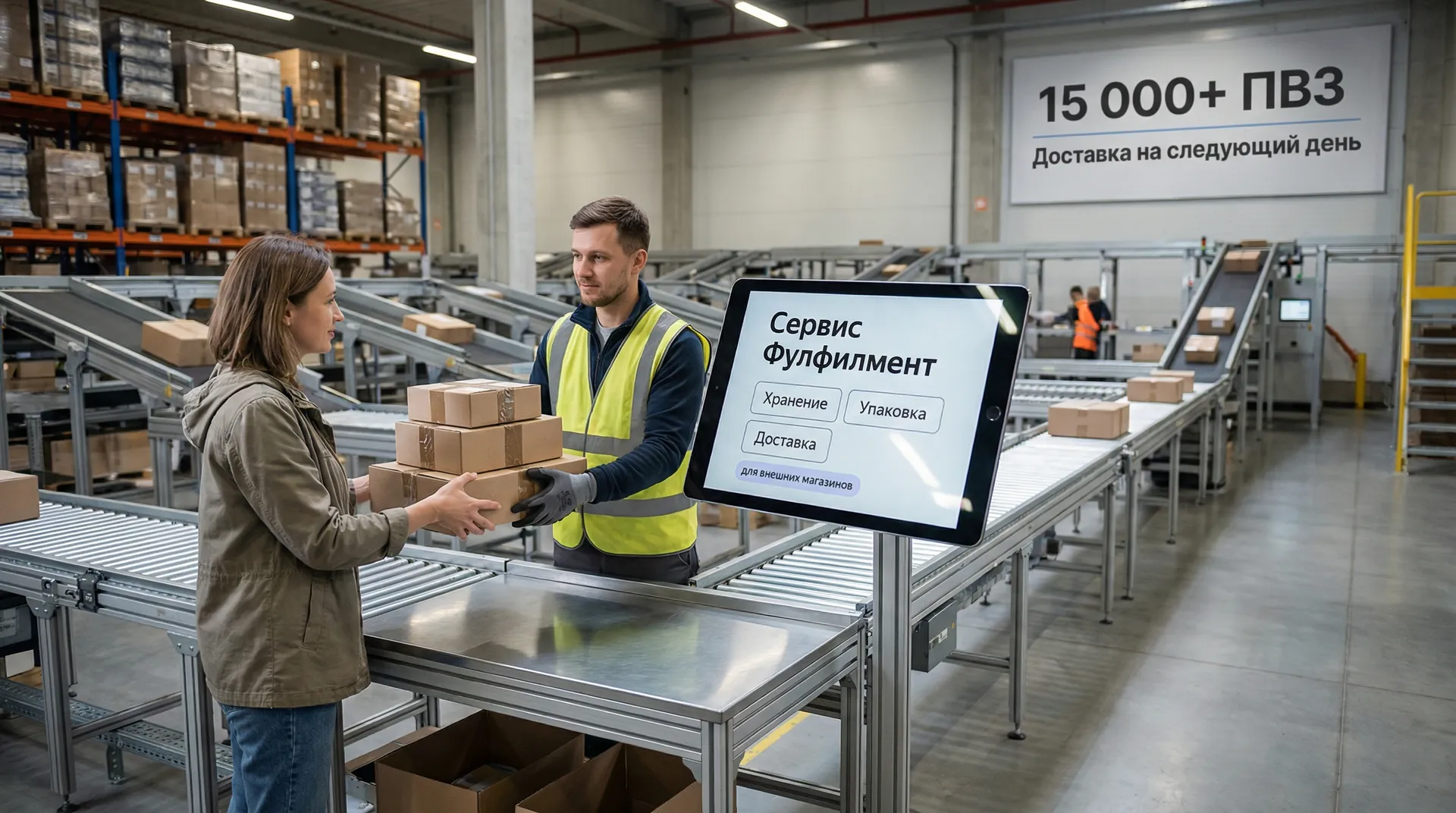
Yandex Market has taken a step that changes the balance of power in e-commerce logistics: the company has launched a separate Fulfillment service not only for "internal" sales, but for external online stores and sellers operating on other platforms. In fact, the Market is turning its network of warehouses and deliveries into a "subscription—based" infrastructure - logistics as a service that can be connected to its own website or multi-channel sales.
According to the description of the service, entrepreneurs can outsource the full cycle: acceptance and storage, assembly and packaging, returns, inventory, waste treatment and disposal. Plus, there is a separate "feature" for those who trade on several storefronts: through fulfillment, you can prepare supplies to replenish the warehouse of your store or other marketplace, as well as deliver orders to customers.
From the point of view of the last mile, the Market relies on the scale of the network: delivery is announced to the door the next day or in more than 15 thousand PVZ. This is an important positioning: the service does not sell a "warehouse", but a predictable geography and SLA — something that external stores often lack when orders from regions are growing.
Why is this event significant for the logistics and 3PL market?:
- Competition is shifting to B2B logistics. The market is beginning to take away part of the customer base from independent fulfillment operators, primarily from those who have lived in small and medium-sized businesses that have "grown" to federal sales.
- Multichannel is becoming the norm. The ability to serve orders not only from the marketplace, but also from your own website, reinforces the trend: brands want to sell everywhere, and keep logistics in one loop. The publication specifically mentions the option to connect not the entire service, but individual operations, including the delivery of orders from its own website through integration with Yandex KIT.
- The space for “manual control” is narrowing. A prepaid order, a single personal account with closing documents and prescribed compensation in case of loss/damage is a formalization that reduces gray areas, but increases the requirements for data discipline (cards, balances, labeling, refunds).
It is also important that the service focuses on the "safe" nomenclature: restrictions apply to a number of categories (in particular, alcohol/tobacco, etc.), but at the same time the opportunity to work with goods marked "Honest mark" is explicitly noted. For sellers, this means that it is easier to "log in" to the service for those who have already established compliance with the product and documents.
For business, the conclusion is simple: The market offers small and medium-sized e-com a quick way to "become federal" without capital expenditures on warehouses and couriers. For the logistics market, this is a signal that the next competition will not be for warehouse meters, but for manufacturability, SLA and integration.