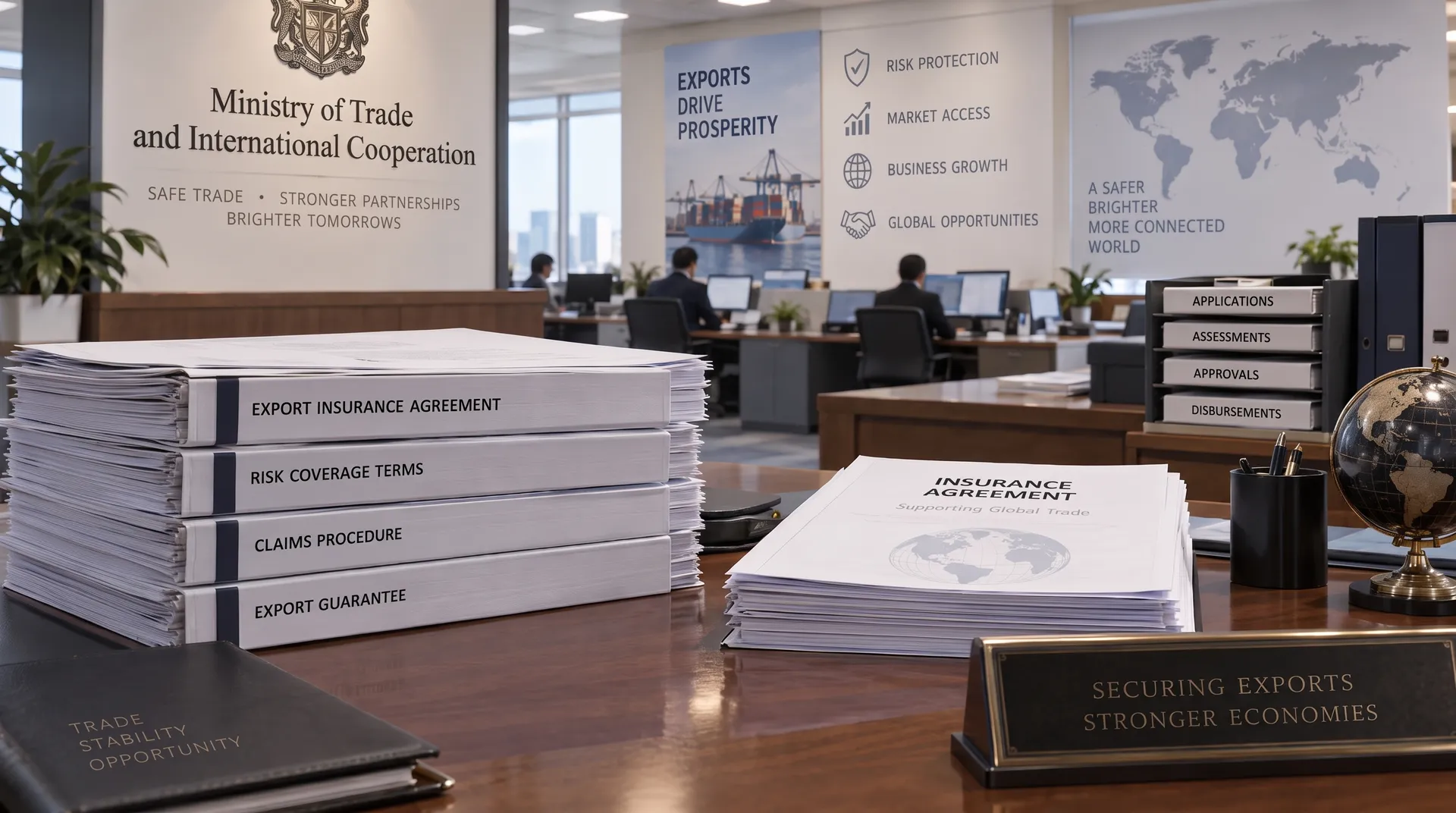
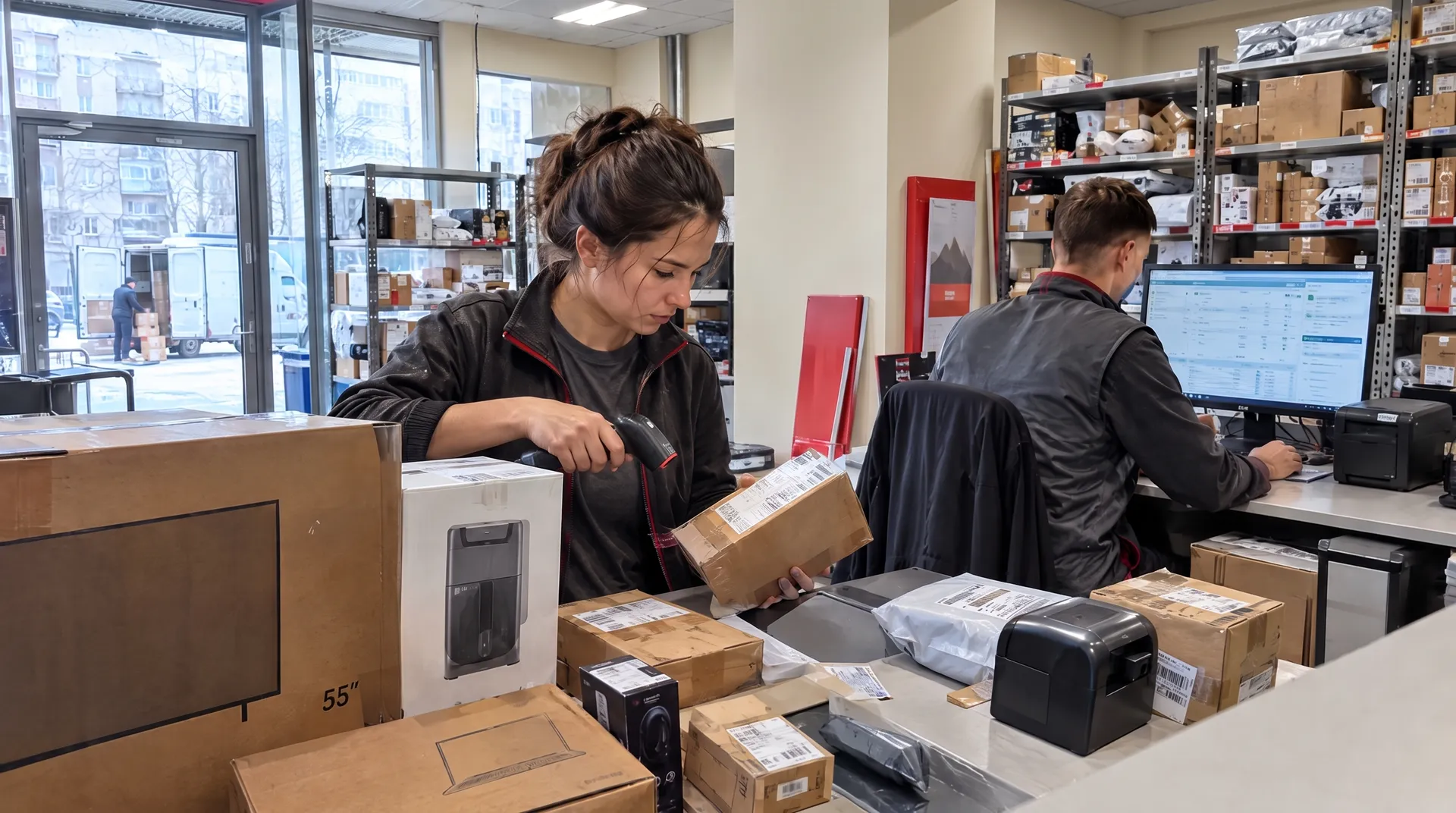
The Ministry of Industry and Trade is preparing legislative changes aimed at protecting the owners of pick-up points from pressure from marketplaces. According to the amendments being developed, online platforms are planned to prohibit discrimination against multi-brand PVZS and the actual coercion of entrepreneurs to work with only one platform.
We are talking about a direct ban on restricting the activities of pick-up points that accept orders from several marketplaces at once. Formally, this format has never been banned, but in practice, PVZ owners regularly face blockages, disconnections from systems and financial sanctions.
Ksenia, the owner of seven pick-up points in the Moscow Region and the Krasnoyarsk Territory, said that she had to close the multi-brand outlets due to pressure from the platforms.
"The acceptance of the goods is limited in time. If supplies from both Ozon and Wildberries arrive at the same time, then it's generally unclear who to give priority to," she explained.
According to her, any deviation from internal regulations can result in fines, and negative customer reviews due to delays can bring down the rating of an item, effectively depriving it of the right to work.
Marketplaces officially deny the pressure. Wildberries says it does not prohibit the multi-brand format, but emphasizes that it "has certain risks" that can "increase the burden on the point and worsen the customer experience." Ozon also claims that they focus on the quality of service and are "open to dialogue" with partners.
At the same time, some entrepreneurs consider the multi-brand model economically justified. Vladimir, the owner of a PVZ in the Moscow region, notes that his point distributes orders in approximately the proportion of 70% Wildberries and 30% Ozon.
"It's easier for them to work in a team, after all. It is easier to serve two points with four hands than with one," he explained.
Market experts point out that the actual dependence of PVZ on one platform reduces the stability of small businesses, strengthens the monopoly position of marketplaces and increases financial risks for entrepreneurs. The new amendments of the Ministry of Industry and Trade may change the balance of power and give the owners of PVZ more freedom in choosing a business model.
The bill is expected to be finalized and presented next year. If adopted, marketplaces will have to review partnership agreements and operational practices.