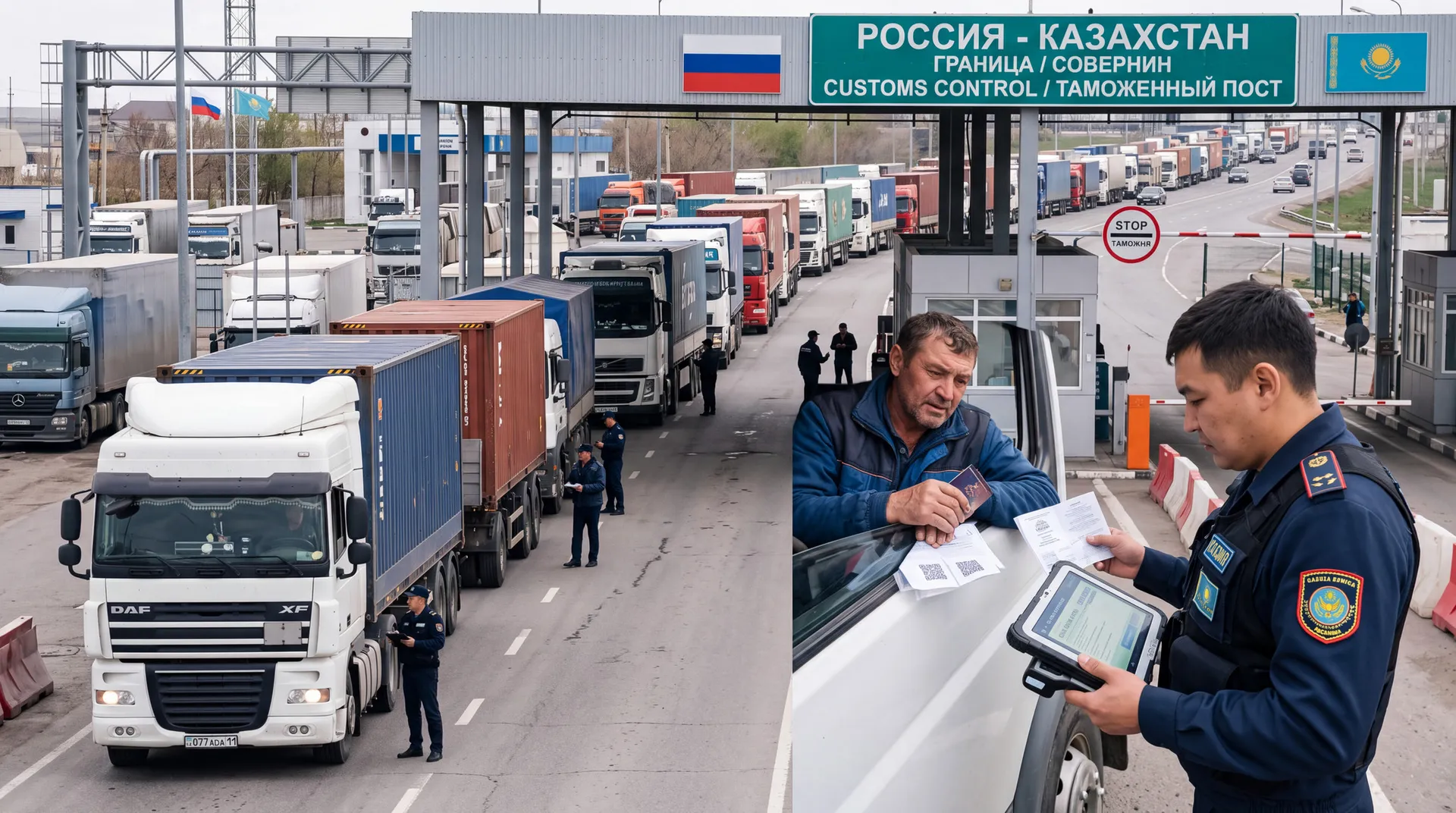
Russia has introduced a permissive procedure for the export of lead and lead scrap outside the customs territory of the EAEU. It is no longer enough for an exporter to issue regular foreign trade documents — a one-time license and confirmation of compliance with established requirements are required for export.
The measure is not new in design. The licensing procedure for these goods has already been introduced twice: by Resolution No. 1024 dated 07/05/2025 and Resolution No. 1 dated 01/14/2026, each time for six months. Lead waste and scrap under the code 7802 00 000 0 of the Customs Code of the EAEU, as well as raw lead and alloys containing it under the code 7801, with the exception of intermediates of non-ferrous metals containing precious metals, fall under licensing.
The requirements for the license applicant are the element that cuts off part of the market. In the previous version of the procedure, the Ministry of Industry and Trade issued one–time licenses if the company had a valid license to collect, transport, process, dispose of, neutralize and dispose of waste of hazard classes I-IV, and with specific types of work on waste of class II. A trader without his own waste management infrastructure does not have such a set.
An important detail of the previous mechanism, which should be monitored now: licensing extended, among other things, to goods that had already been released under export procedures before the date of entry into force of the decree. That is, pre-arranged shipments did not receive automatic protection.
What the exporter should do immediately. Stopping shipments using these codes before obtaining a license and notifying buyers of the deadline shift is cheaper than disrupting at the border. Check whether the company has the required waste management license; if not, think over the scheme through the counterparty who has it. To raise contracts and assess whether the force majeure clause covers the introduction of export restrictions by the state. And request the Ministry of Industry and Trade to review the application in order to include it in the schedule.