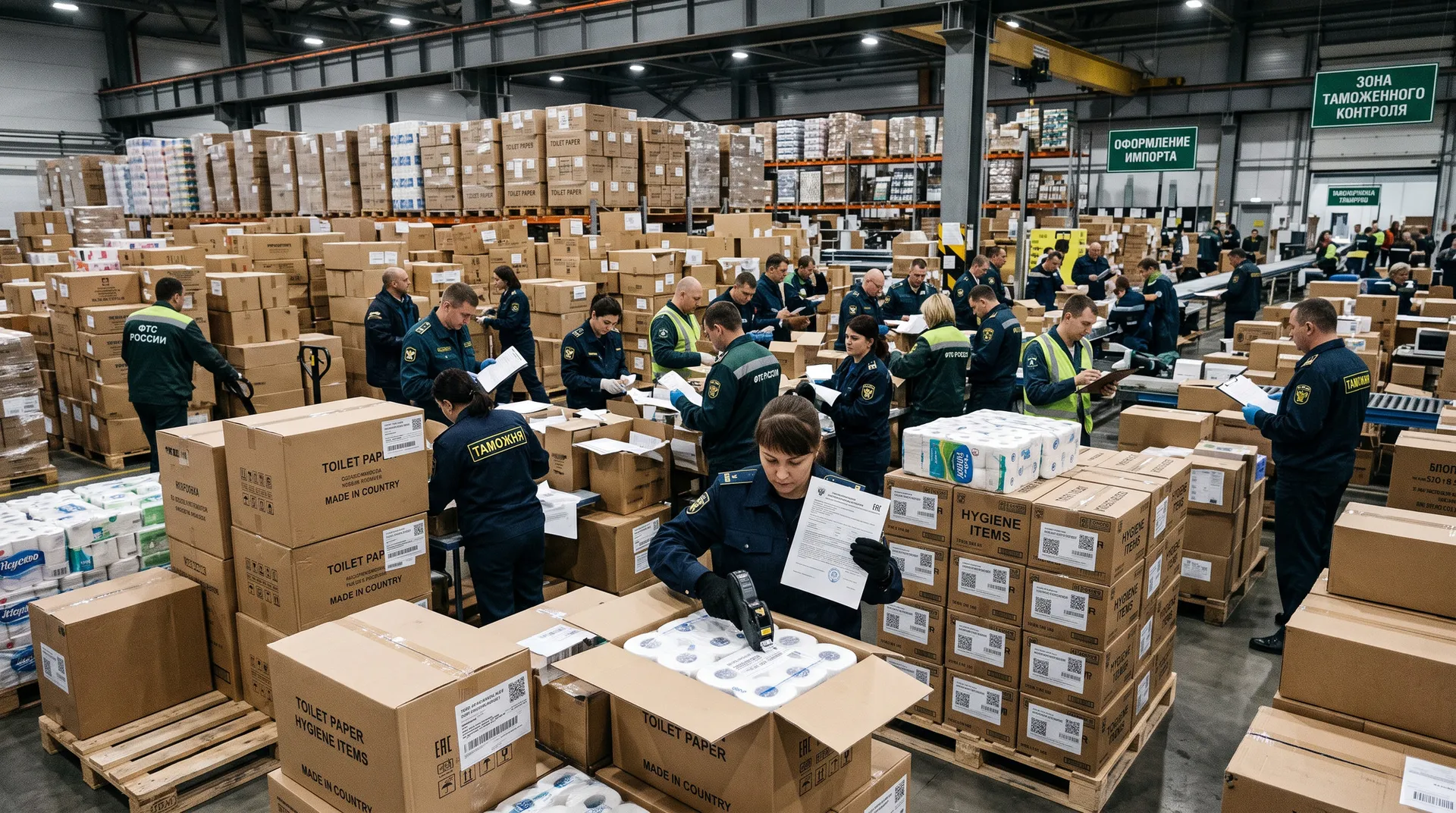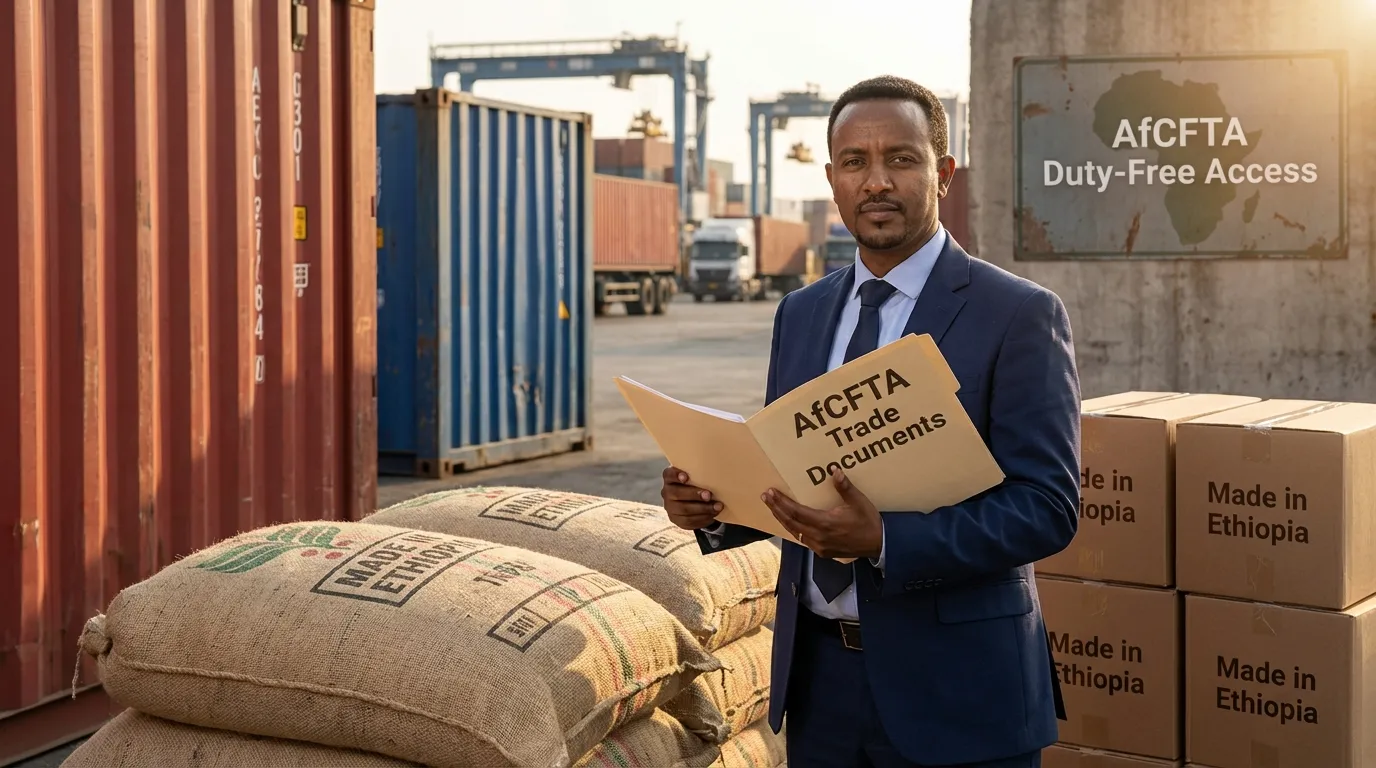
The key point for participants in foreign economic activity is that the "duty-free" regime always works together with the rules of origin and confirmation of the status of the goods. In practice, this means setting up the chain from the purchase of raw materials to packaging, labeling and export documentation. Any gap in origin turns the benefit into a declarative story rather than a saving.
Logistics is of particular importance. For Ethiopia, corridors through dry ports and access to the sea through neighboring hubs are becoming a central part of competitiveness. When the tariff barrier is lowered, the cost of a kilometer, downtime at the borders, the quality of warehouse processing and the reliability of settlements between counterparties come to the fore. In such a circuit, suppliers who fix the service levels in advance: booking dates, consolidation time, temperature requirements, insurance, seal control, and electronic tracking benefit.
It is significant that the launch of preferences is described as a transition to a real operational phase: customs authorities confirm the application of tariff concessions and access to the preferential market through agreed product lines.
Legally, this is supported by internal acts that "include" tariff concessions in the national regime.
For businesses from the BRICS countries, this is a signal of the growing role of East Africa as a platform for assembling regional chains. Supplies of equipment, components, packaging, raw materials for processing, as well as logistics and payment services are of interest. With a well-designed scheme, the company gets a clear scaling route: first, pilot deliveries to a limited number of countries, then expansion as statistics on demand and procedures accumulate.