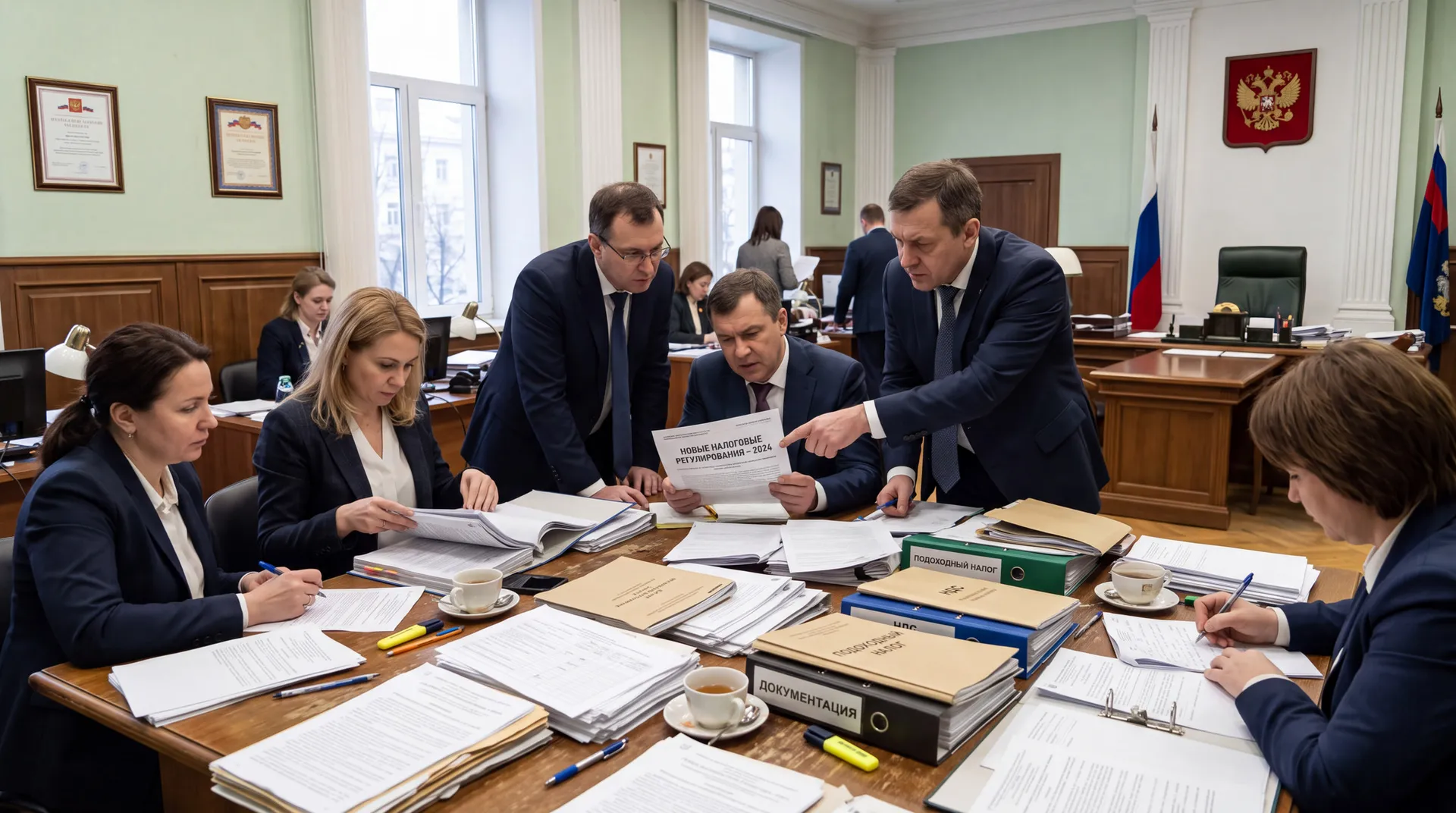
Counter checks are once again becoming a high-risk area for companies, especially in supply chains with a large number of counterparties. A review of judicial practice for 2024-2025 shows that arbitration courts in some cases recognize requests for significant amounts of documents as legitimate and interpret the powers of tax authorities broadly. This changes the real cost of "paper discipline" for businesses that are used to keeping the primary payment fragmented and hoping that the dispute will be limited to a few invoices.
One of the key findings concerns volume and period. In one of the disputes, the taxpayer was sent more than 20 demands on relations with organizations and sole proprietors, and the court pointed out that the Tax Code of the Russian Federation has no restrictions on the number, frequency or period of requesting documents during a counter check. The company's behavior is separately noted: She did not declare her inability to submit documents on time, did not request an extension, and did not prove the loss of documents. The practical meaning here is simple: silence and a passive attitude increase the price of the dispute.
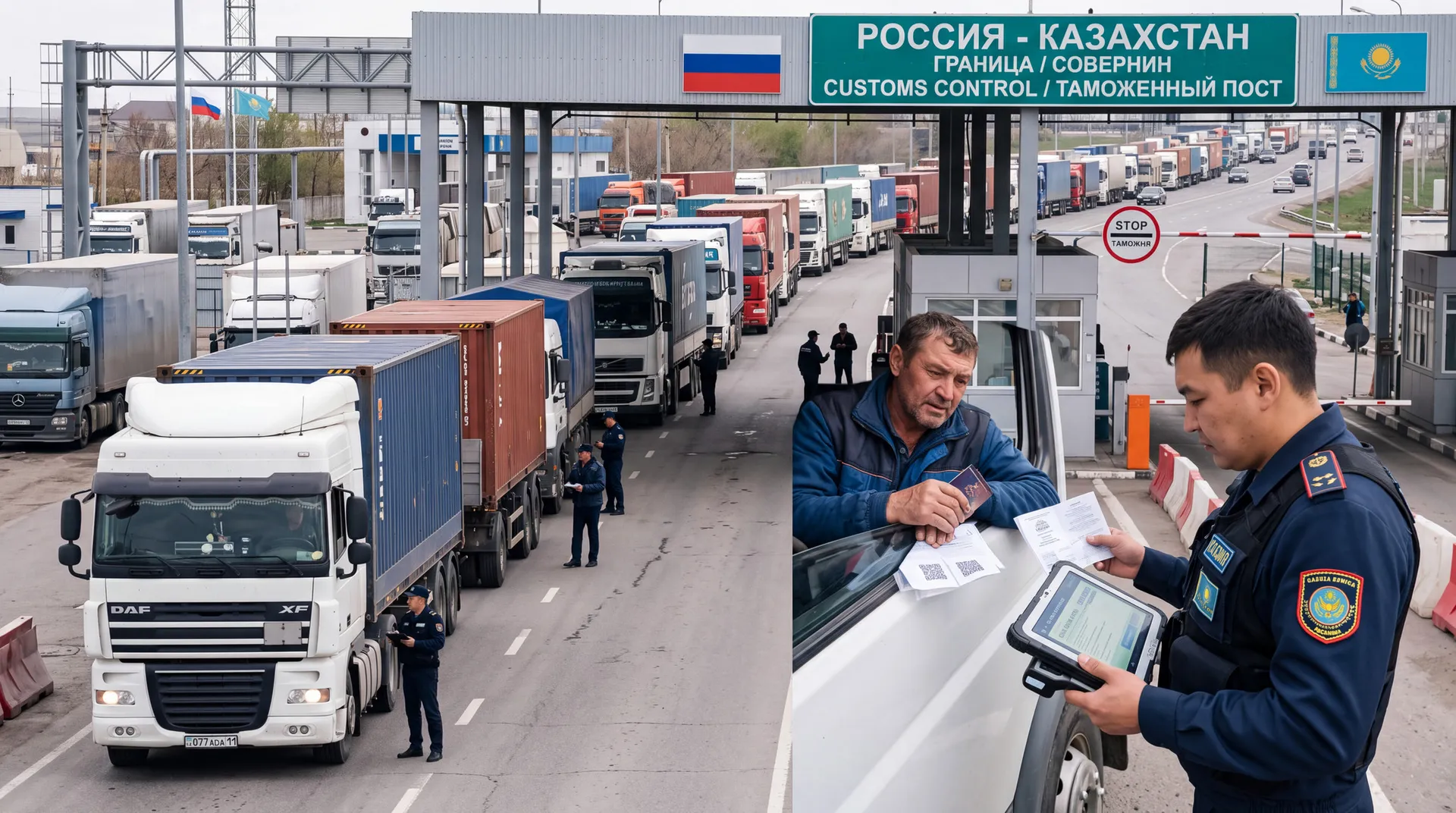
The second important block for the foreign economic activity and transportation market is related to who exactly can request documents. Judicial practice indicates that not only the inspection at the place of registration can require documents, since the Federal Tax Service and its territorial bodies are considered as a single structure. This is critical for companies with counterparties spread across regions, and the chain includes forwarders, carriers, terminals, warehouse operators, and subcontractors. The request may come from a "foreign" region, and the formal argument about the "wrong inspection" often does not work.
The third practical issue is the qualification of violations and penalties. The review provides an example where the fine was canceled due to an incorrect article: the tax authority requested the documents, and applied the sanction as for failure to provide information. For a business, this is a working point of protection if the requirement is drawn up inaccurately and it shows that the subject was documents.
Counter-verification is increasingly becoming a quality control of document flow throughout the chain. This means that discipline is required in three things. First: quick access to the primary information on the counterparty and the period. Secondly, there is a clear procedure for responding to requirements with fixed deadlines, requests for extension, and acts of loss, if it is provable. Third: a bundle of EDI and warehouse and transport documents, so that the contract, closing and transportation documents are collected in one "transaction folder", and do not live in different systems.