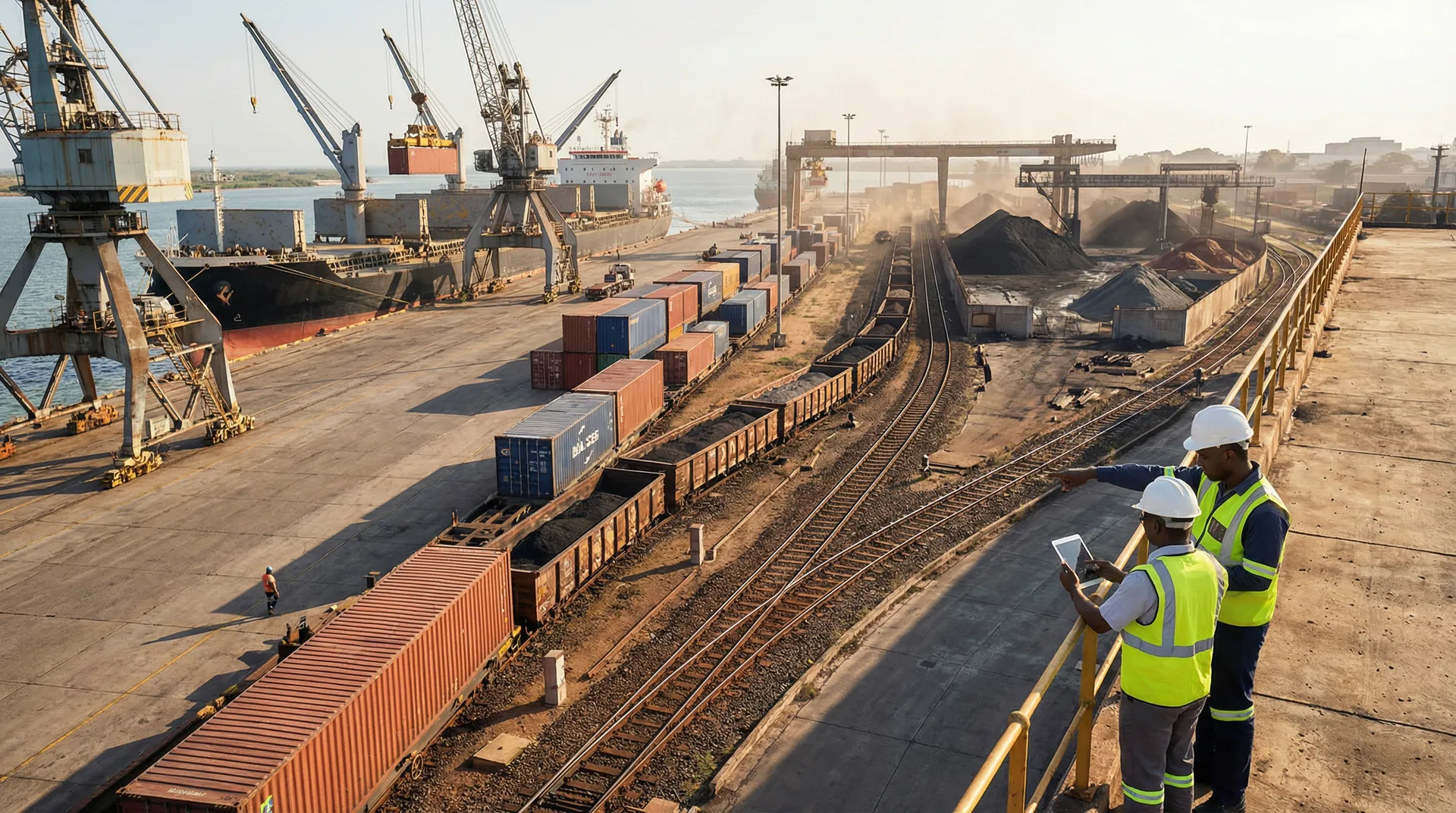
The South of Africa is increasingly restructuring logistics in favor of those hubs that can provide stable cargo handling speeds. Against this background, the port of Maputo and the associated corridor enhance the importance for the business of the region. The results of Grindrod show that the company is working with a high workload and is showing steady growth in key operational indicators.
The company reported a 6% increase in port volumes to 15.2 million tons, while the Matola terminal added 22% to 9.9 million tons. These are important figures for the market. They mean that shippers are increasingly using alternative routes and are ready to transfer flows to those points where they can get through the terminal faster, get a stable schedule and reduce operational risks.
It is the regional effect that is important in this story. When Durban is faced with congestion, delays and limited capacity, trade participants are starting to look at Maputo as a working alternative for export and import chains. This is reflected in railway shoulders, road delivery, contract planning, and warehouse loading on both sides of the border.
For South Africa and neighboring countries, this shift means increased competition between the corridors. The routes that give the business predictability will win. If Maputo holds its pace and continues to increase capacity, the South African logistics market will have an additional growth point that will affect trade in raw materials, containerized cargo and exports from the interior of the region.