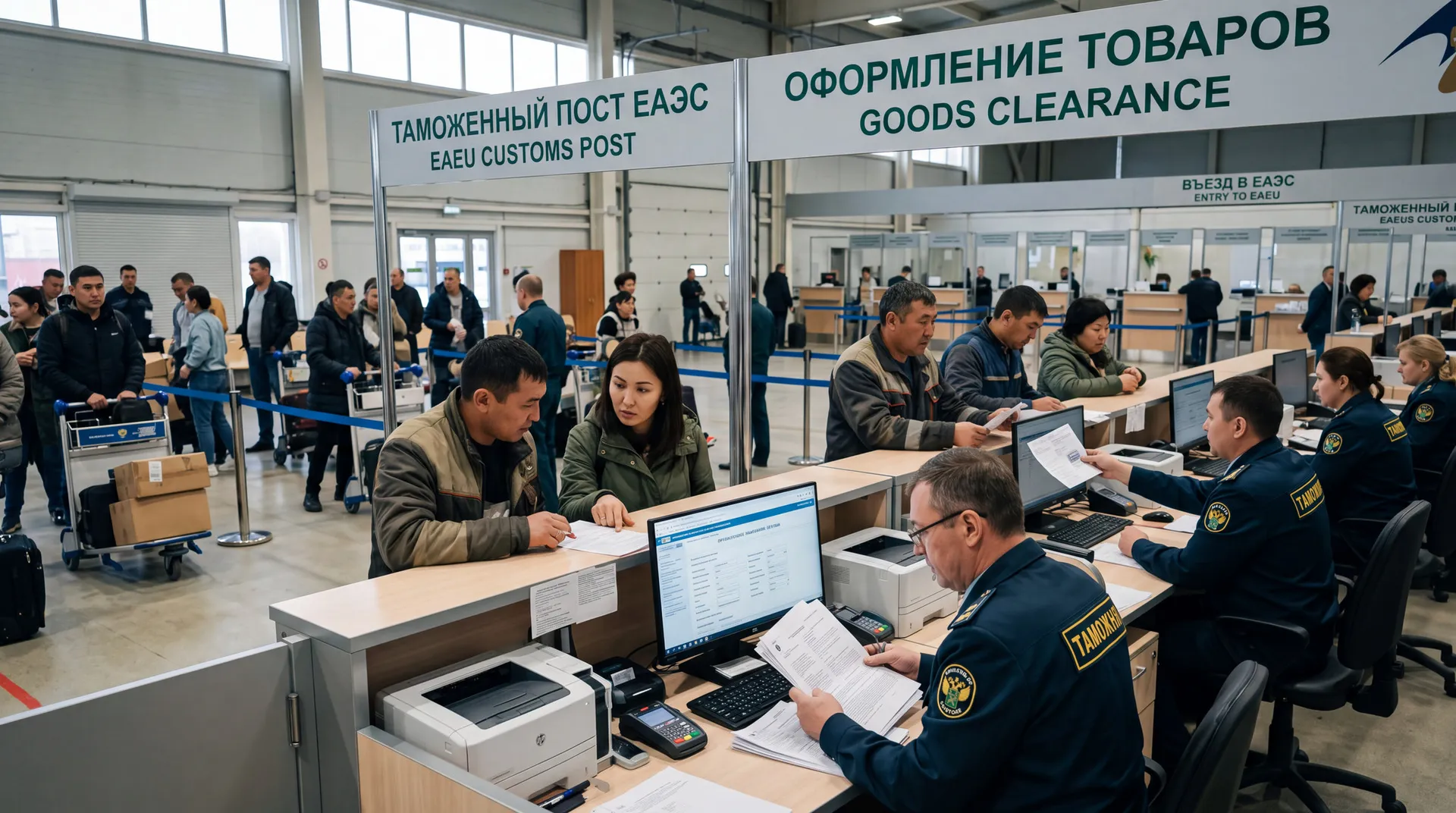
The increase in the share of Kazakh certification by seven percentage points per year is not just a statistic, but a direct reflection of where the certification services market is shifting within the EAEU. More and more importers working with Russia are choosing Kazakhstani certifiers instead of Russian or other countries of the Union.
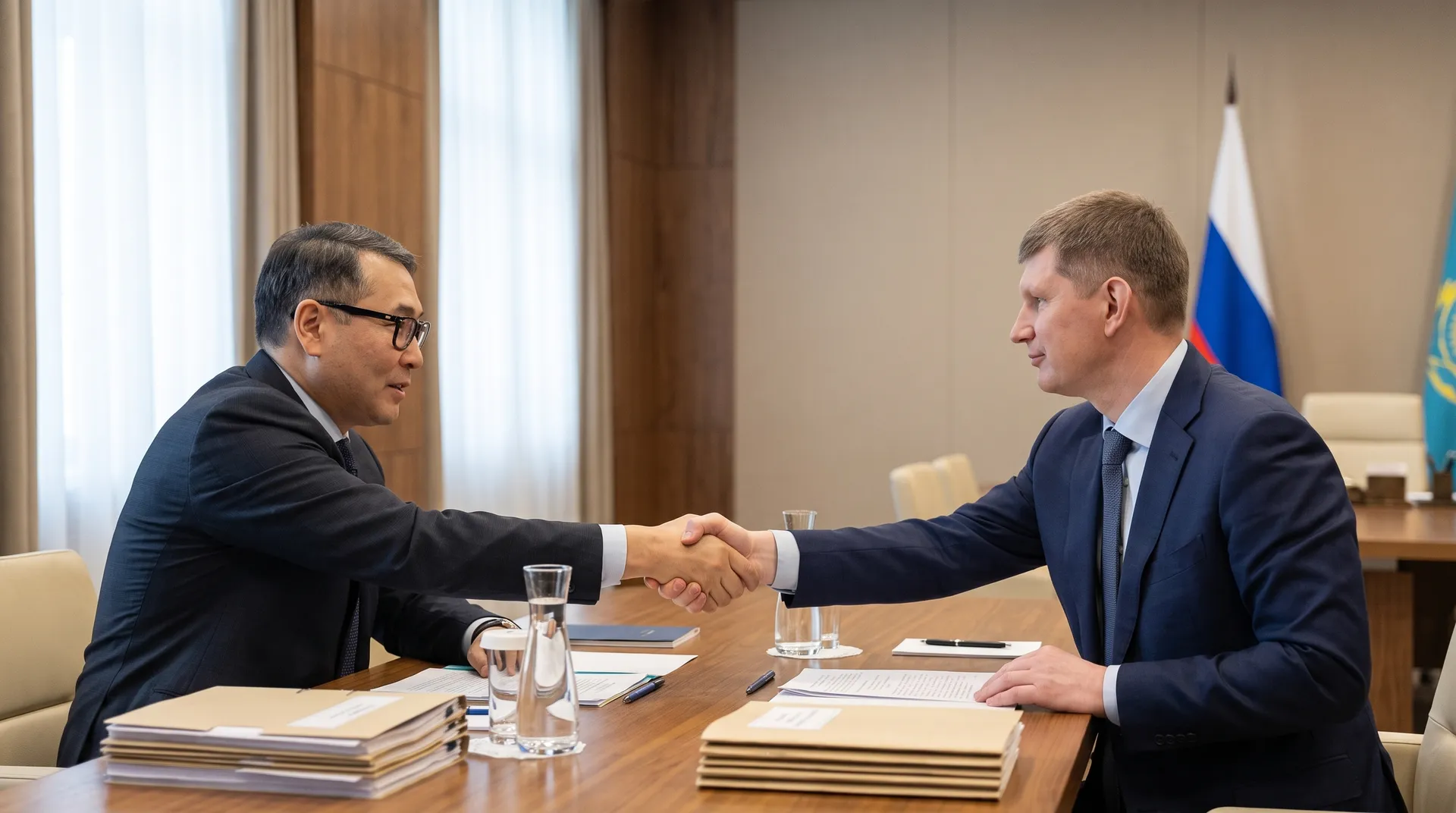
"Our countries, as EAEU members, need to accelerate the creation of a unified register of protocols on the EEC platform," Maxim Reshetnikov stressed at the meeting. He added that such decisions are aimed at protecting the market and citizens from products whose safety has not been confirmed by appropriate tests.
The unified Register of Test Reports solves a specific practical problem that has become more acute amid the increasing number of cases of suspension of documents from foreign certifiers, including the recent precedent with Armenian authorities. Currently, data on test protocols is stored separately in the systems of each country, which makes it difficult for them to be quickly checked by the regulatory authorities of other states of the union and creates a window for abuse with invalid or falsified protocols.
The discussion took place against the background of preparations for the XXII Forum of Interregional Cooperation between Russia and Kazakhstan, scheduled for July 24-25, 2026 in Omsk. One of the key events of the forum will be devoted to the topic "Formation of a global logistics ecosystem: new horizons of Russian—Kazakh cooperation".
For importers, who are increasingly using Kazakhstani certifiers amid the growth of their market share: the emergence of a unified register of protocols in the future will simplify the verification of the legitimacy of Kazakhstani documents by Russian regulatory authorities, reducing the risk of delays and additional charges due to formal discrepancies in data between countries. A specific date for the launch of the registry has not yet been announced, but the growing burden on Kazakhstani certifiers (+11.5% of issued documents for the first half of the year) already means an extension of the procedure, which should be included in supply planning.