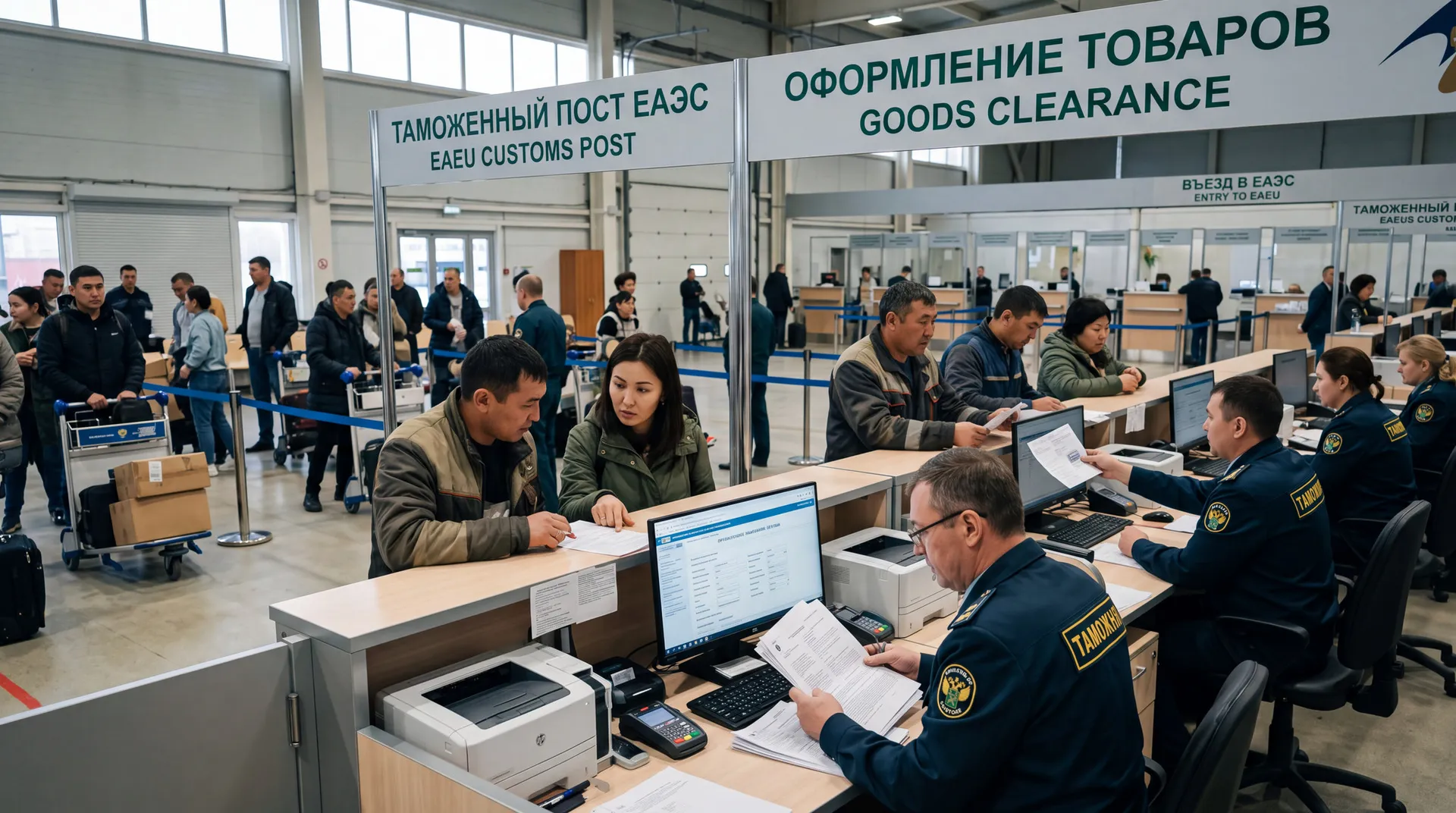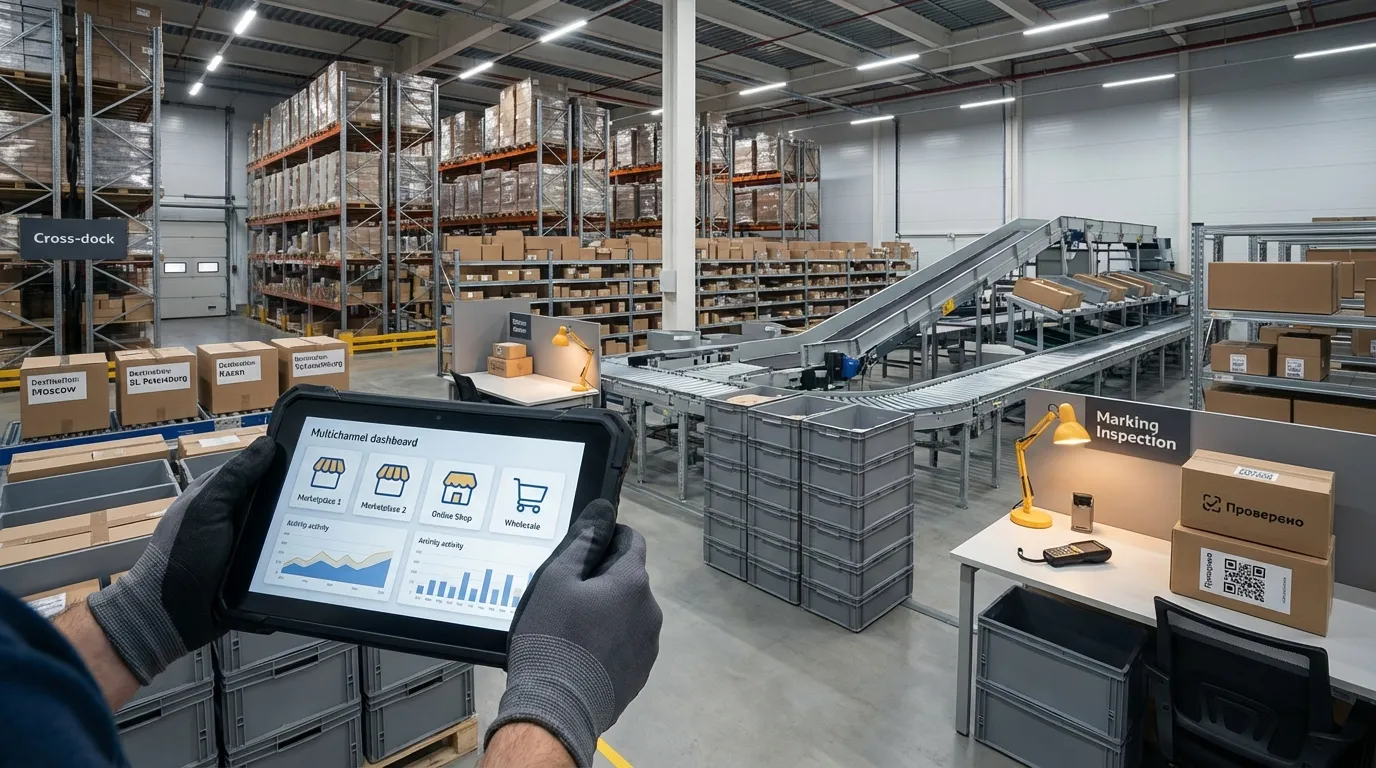
Fulfillment is moving to the format of an independent B2B product. For the market, this means that warehouse and delivery are beginning to be marketed as an infrastructure service that works on top of any sales channels. The official description states bluntly: "Yandex Market has launched a fulfillment for business — now we accept goods for storage and deliver orders, even if they are not placed with us, but on another marketplace or through any other sales channel."
The key effect for seller lies in the economics of mistakes. Multi-channel sales usually rely on balance synchronization, replenishment deadlines, and build quality control. As the number of sites increases, the number of points where there is a re-sorting, “frozen” balances, cancellations due to availability and manual movements between warehouses increases. The new fulfillment format reduces the number of such operations through centralization of runoff and uniform processing regulations.
The second area of influence on margins is related to refunds and rejection. The services separately highlight refunds from the PVZ and courier returns, inventory, work with defects and disposal. For most categories, these are regular losses that rarely appear in reports as a separate article. When transferring processes to the operator, the seller gets a chance to normalize these costs through clear SLAs, processing times, and a transparent “cost per unit deviation.”
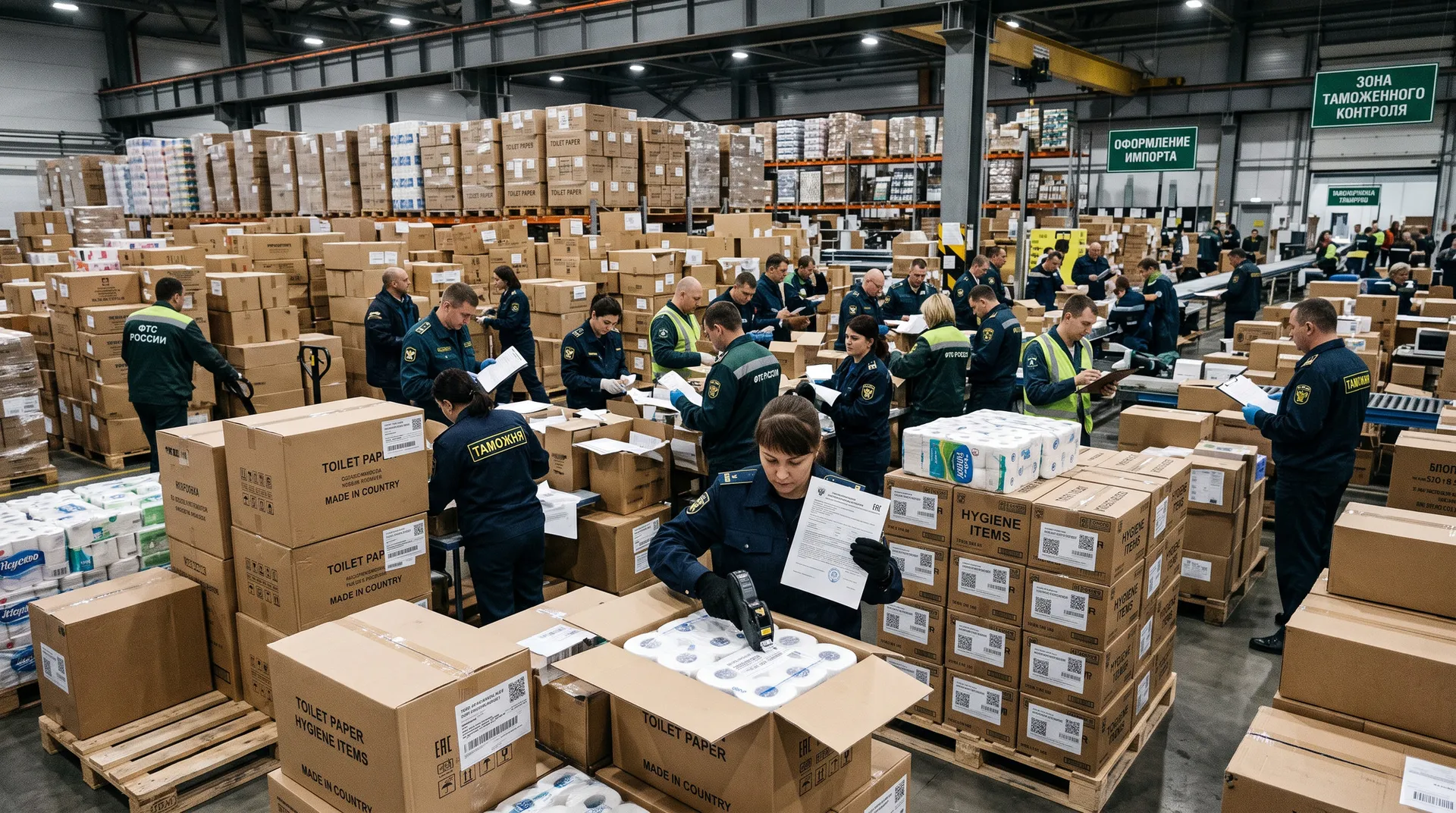
The labeling deserves special attention. The list includes acceptance and verification of goods marked "Honest mark". For labeled categories, this reduces the risk of shipment blockages, fines, and code discrepancies during the acceptance phase. In practice, this means that the warehouse turns into a compliance control area, and the quality of the operation begins to affect the turnover rate.
What is important to calculate before connecting. The service can be taken in stages, which means that the decision should be made through an internal calculator: the cost of storage, the cost of order processing, the refund price, the price of labeling error, the cancellation price based on availability. Separately, it is worth calculating the cost of a “lost day” during peak demand, when an incorrect balance leads to a failure of the issue. In multichannel, the teams that win are not the ones who manage the “delivery”, but the entire chain from the drain to the return.